
The Hedonistic Lifestyle Among College Students and Its Impact on Academic Life
Gusti Ayu Tita P
8 September 2026
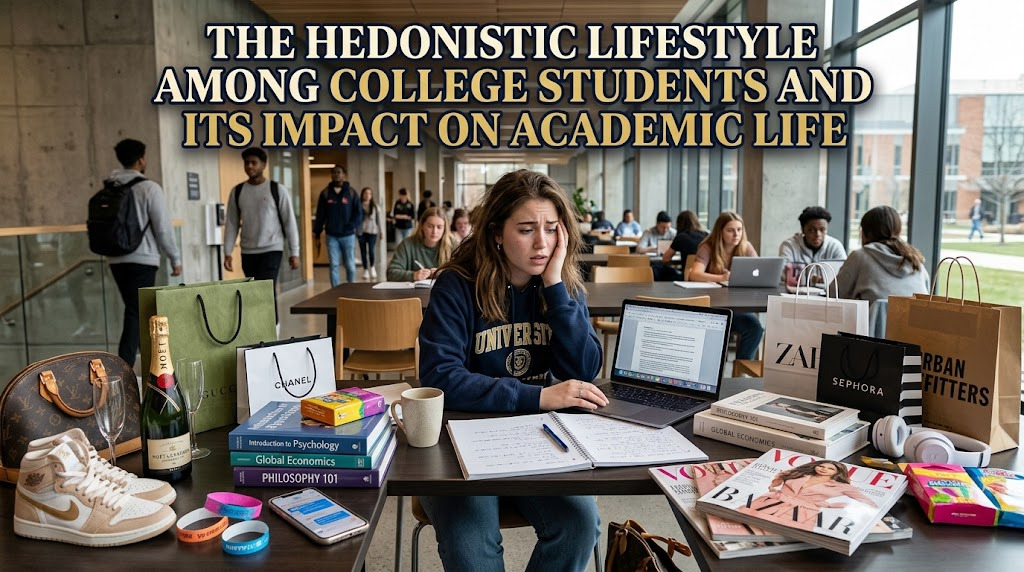
College life gives students the opportunity to develop academically, socially, and personally. However, the freedom that comes with university life can also influence students’ lifestyle choices. Some students may become interested in entertainment, shopping, travel, dining, and other activities that provide immediate pleasure. When these activities become excessive, a hedonistic lifestyle may affect academic responsibilities, financial conditions, time management, and future goals.
UNDERSTANDING THE HEDONISTIC LIFESTYLE AMONG COLLEGE STUDENTS
A hedonistic lifestyle is a pattern of living that places strong importance on pleasure, comfort, entertainment, and immediate satisfaction. Among college students, it can appear through frequent shopping, visiting popular cafés, attending entertainment events, traveling, or spending significant amounts of time on recreational activities. These activities are not necessarily harmful because students also need relaxation and social interaction. The problem occurs when entertainment consistently becomes more important than academic responsibilities and personal development.
College students may be particularly exposed to this lifestyle because they often have greater independence than they had during school. They may make their own decisions about how to spend their money, manage their time, and choose their social activities. Social media and digital platforms can further expose students to attractive lifestyles and consumer trends. Without adequate self-control, this environment may encourage students to prioritize short-term enjoyment over important academic commitments.
WHY COLLEGE STUDENTS CAN BE ATTRACTED TO HEDONISM
One reason college students may be attracted to hedonistic behavior is the desire to enjoy their university years. Students often want to build friendships, explore new places, attend events, and experience activities outside the classroom. These experiences can be valuable because they support social development and personal growth. However, problems can arise when students feel that they must constantly participate in activities to enjoy their college experience.
Another factor is peer influence. Students may feel encouraged to follow their friends when a particular restaurant, event, fashion trend, or entertainment activity becomes popular. Social media can make this pressure stronger because students can see what their classmates and other young people are doing. The fear of being left out may encourage unnecessary spending or excessive social activities. This can gradually influence both their lifestyle and academic priorities.
THE EFFECT ON TIME MANAGEMENT
A hedonistic lifestyle can have a significant impact on time management. College students need to divide their time between lectures, assignments, examinations, organizational activities, relationships, rest, and personal interests. If entertainment receives too much attention, students may have less time available for studying and completing academic work. This can lead to rushed assignments and increased stress near deadlines.
Poor time management can also create a cycle of procrastination. A student may choose entertainment first and plan to study later, but the available study time can become increasingly limited. Eventually, important academic tasks may be completed without enough preparation. Developing a balanced schedule can help students enjoy their social lives while still protecting sufficient time for academic responsibilities.
THE IMPACT ON ACADEMIC PERFORMANCE
Excessive focus on pleasure may affect academic performance in several ways. Students who frequently prioritize parties, shopping, gaming, travel, or other entertainment may have difficulty maintaining consistent study routines. They may also arrive at classes tired or find it difficult to concentrate after spending too much time on recreational activities. Over time, these habits can influence academic consistency.
The impact does not always appear immediately. A student may continue receiving acceptable grades while gradually developing poor study habits. However, when academic demands become more difficult, these habits can become a serious obstacle. Consistency, discipline, and concentration are important for academic success, particularly when students face demanding courses or major projects.
THE EFFECT ON STUDENTS’ FINANCIAL CONDITIONS
A hedonistic lifestyle can also influence student finances. College students often have limited financial resources, so frequent spending on entertainment, fashion, food, travel, or technology can quickly reduce available funds. Small purchases may appear harmless, but repeated spending can create significant monthly expenses. Students may then struggle to pay for academic materials or other essential needs.
The use of online shopping and digital payment systems can make excessive spending easier. Impulsive purchases may occur because students can buy products immediately after seeing advertisements or trends online. Creating a simple budget can help students separate essential academic expenses from optional entertainment. Financial awareness is especially important because poor spending habits developed during college can continue into professional life.
BALANCING ENTERTAINMENT AND ACADEMIC RESPONSIBILITIES
College students do not need to avoid entertainment completely to maintain good academic performance. Balance is the key to creating a healthy university lifestyle. Students can allocate specific periods for studying, resting, socializing, and recreational activities. When academic responsibilities are organized properly, entertainment can become a source of relaxation rather than a distraction.
Students can also evaluate their priorities before accepting every invitation or following every trend. Not every social activity needs to be attended, and not every popular product needs to be purchased. Learning to say no to unnecessary activities can protect both time and money. With better self-management, students can enjoy their college experience while continuing to work toward their academic and career goals.
CONCLUSION
The hedonistic lifestyle among college students can provide enjoyable experiences, but excessive consumption and entertainment may negatively affect academic life. Poor time management, impulsive spending, social pressure, and excessive recreational activities can reduce students’ ability to focus on their education. If these habits continue, they may influence academic performance and create financial difficulties.
However, enjoying college life and pursuing academic success do not have to be contradictory. Students can maintain a balanced lifestyle by managing their time, controlling spending, setting academic priorities, and choosing meaningful social activities. Entertainment should function as part of a healthy college experience rather than replace important responsibilities. By developing discipline and self-awareness, students can enjoy their university years while building a stronger foundation for their future.
Tentang Penulis
Gusti Ayu Tita P
Penulis — Universitas STEKOM
Penulis aktif yang berfokus pada isu-isu akademik, teknologi pendidikan, dan pengembangan sumber daya manusia di lingkungan kampus.