The History of TikTok Awards and Its Growth in the Digital Era
Gusti Ayu Tita P
1 September 2026
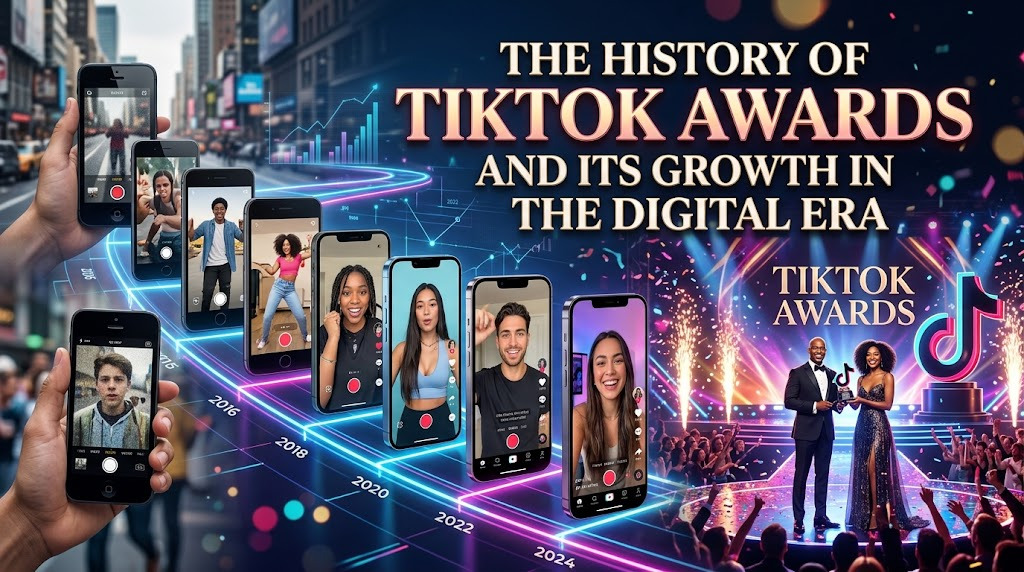
TikTok has changed the way people create, discover, and consume digital content. Since its rapid global expansion, the platform has become an important space for entertainment, education, business, and community building. The rise of creators on TikTok has also created a need for greater recognition of their achievements. TikTok Awards emerged as one of the ways to celebrate creators and highlight their contributions to the growing digital ecosystem.
The development of TikTok Awards reflects the broader transformation of the creator economy. As creators gain larger audiences and stronger influence, their work has become increasingly relevant to brands, media organizations, and digital communities. Understanding the history and development of TikTok Awards provides an interesting view of how digital creativity has evolved.
THE BEGINNING OF TIKTOK AND ITS CREATOR COMMUNITY
TikTok developed from the short-video platform Douyin, which was launched by ByteDance in China in 2016. The international version, TikTok, was introduced in 2017, while the merger with Musical.ly in 2018 helped accelerate its global expansion. The platform quickly became known for short-form videos, music, creative effects, challenges, and algorithm-driven content discovery.
As its user base expanded, a large TikTok creator community developed around the platform. Ordinary users could potentially reach large audiences without relying on traditional media channels. This created new opportunities for individuals to become influencers, entertainers, educators, entrepreneurs, and professional content creators.
THE EMERGENCE OF TIKTOK AWARDS
As TikTok became a major social media platform, creators began playing a more visible role in digital entertainment. Recognition events were introduced in different markets to celebrate creators, trends, and communities that contributed to the platform's culture. TikTok Awards developed as part of this broader movement toward recognizing digital talent.
Different countries can organize their own versions of TikTok Awards with distinct categories and selection methods. Some editions may emphasize audience voting, while others can include additional considerations related to content, creativity, or community impact. Therefore, the exact structure of the awards can change over time and between markets.
THE DEVELOPMENT OF TIKTOK AWARDS IN THE DIGITAL ERA
The growth of TikTok Awards has followed the rapid development of short-form video culture. As more people began using TikTok for entertainment, information, and communication, creators gained greater influence over digital trends. Awards helped bring some of these creators into the spotlight and gave their work greater public recognition.
The development also reflects changing perceptions of digital careers. Content creation is no longer viewed only as a casual online activity. Many creators now work with brands, develop businesses, produce entertainment projects, and build professional teams. TikTok Awards can therefore represent the increasing recognition of creators as important participants in the modern digital industry.
HOW TIKTOK AWARDS HAVE EVOLVED
The categories and recognition systems associated with TikTok Awards can evolve as audience interests and content trends change. New types of creators and content may become relevant as the platform develops. This allows award events to remain connected to the interests of the TikTok community rather than relying on a fixed structure.
The evolution of the awards also reflects the diversity of the creator ecosystem. Entertainment, education, lifestyle, comedy, beauty, food, gaming, and other niches can attract large communities on TikTok. Recognizing different types of creators helps demonstrate that success on the platform can take many forms.
THE ROLE OF CREATORS IN TIKTOK'S GROWTH
Creators are central to the success of TikTok because they continuously produce content that attracts viewers and encourages interaction. Their videos can generate trends, conversations, challenges, and communities that keep users engaged. Without a diverse and active creator base, the platform would have far less content for audiences to discover.
Creators also contribute to the development of digital culture. They can introduce new forms of storytelling, communication, humor, education, and marketing. As their influence grows, recognition through events such as TikTok Awards can help highlight the creative work that contributes to this changing digital environment.
TIKTOK AWARDS AND THE CREATOR ECONOMY
The development of TikTok Awards is closely connected to the rise of the creator economy. This economy allows individuals to turn audiences, skills, creativity, and digital influence into professional opportunities. TikTok creators may work with brands, participate in campaigns, sell products, use affiliate programs, host live streams, or develop businesses outside the platform.
Awards can strengthen this ecosystem by increasing the visibility and credibility of successful creators. Recognition may attract new audiences and professional partners, although an award alone does not guarantee career success. Consistency, authenticity, creativity, and audience trust remain essential for creators who want to build sustainable careers.
CONCLUSION
The history of TikTok Awards is closely connected to the rapid growth of TikTok and the transformation of digital content creation. As the platform expanded, creators became increasingly important in shaping trends, communities, and online culture. Award events developed as a way to recognize these contributions and demonstrate the growing importance of digital talent.
The evolution of TikTok Awards also illustrates how the creator economy has become an important part of the digital industry. As content formats and audience preferences continue to change, recognition systems may continue to evolve as well. For creators, the most valuable achievement remains the ability to consistently produce meaningful content, build audience trust, and adapt to the changing digital landscape.
Tentang Penulis
Gusti Ayu Tita P
Penulis — Universitas STEKOM
Penulis aktif yang berfokus pada isu-isu akademik, teknologi pendidikan, dan pengembangan sumber daya manusia di lingkungan kampus.