The Impact Of MBKM On Student Competency Development.
Gusti Ayu Tita P
2 September 2026
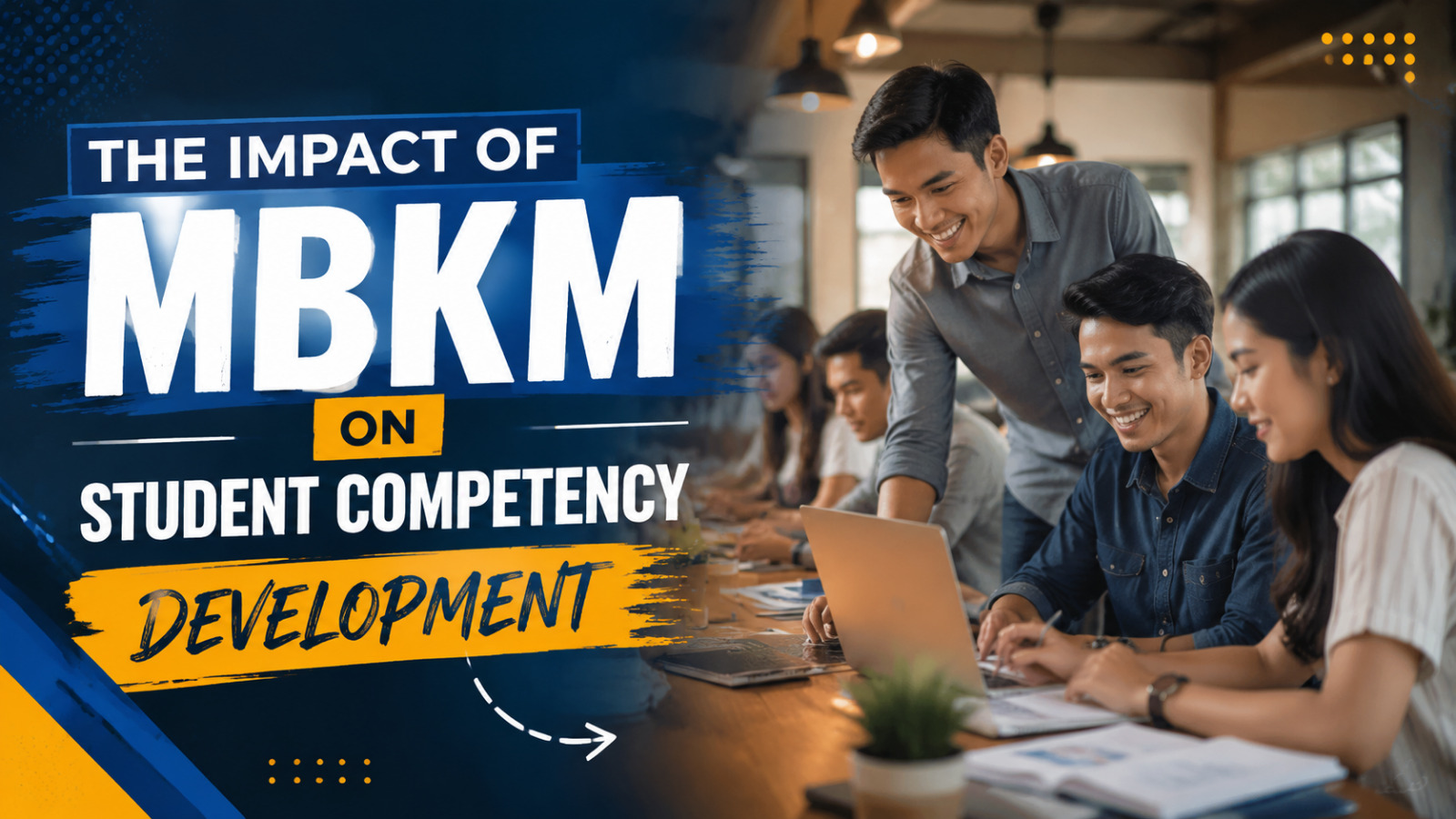
The Merdeka Belajar Kampus Merdeka (MBKM) program has become one of the important educational innovations in Indonesia that focuses on improving student competencies through more flexible learning experiences. This program allows students to explore knowledge beyond traditional classroom activities by participating in internships, community projects, research, entrepreneurship programs, and other learning activities. Through MBKM, students are encouraged to develop skills that are relevant to academic needs and professional challenges.
The implementation of MBKM aims to create graduates who are not only academically capable but also have practical skills, adaptability, and strong character. In the modern era, companies and organizations require individuals with broader competencies, including communication skills, teamwork, creativity, and problem-solving abilities. Therefore, MBKM provides opportunities for students to prepare themselves before entering the professional world.
IMPROVING STUDENTS’ HARD SKILLS THROUGH PRACTICAL LEARNING
One of the biggest impacts of MBKM on student competency development is the improvement of hard skills. Through various learning activities outside campus, students can apply theories obtained during lectures into real situations. For example, students participating in internships can directly understand workplace systems, professional standards, and industry requirements related to their fields.
MBKM also helps students gain technical abilities that support their future careers. Students can learn new technologies, research methods, business strategies, or professional practices through direct experience. This practical approach makes the learning process more meaningful because students are not only learning concepts but also understanding how those concepts are applied in real environments.
In addition, MBKM encourages students to become more independent learners. They have the opportunity to choose programs that match their interests and career goals, allowing them to develop specific competencies based on their personal development needs.
DEVELOPING SOFT SKILLS FOR PROFESSIONAL SUCCESS
Besides improving technical abilities, MBKM plays an important role in developing students’ soft skills. Soft skills are essential competencies that influence how individuals communicate, collaborate, and solve problems in various situations. Through MBKM activities, students experience different environments that require adaptation, responsibility, and effective interaction with others.
Participation in internships, social projects, and team-based programs helps students improve communication skills and teamwork abilities. Students learn how to work with people from different backgrounds, manage responsibilities, and make decisions in real situations. These experiences build confidence and prepare students to face challenges in professional environments.
Furthermore, MBKM develops students’ leadership and critical thinking abilities. When students are involved in projects outside campus, they must analyze problems, create solutions, and take initiative. These experiences contribute to the formation of graduates who are more prepared, flexible, and competitive.
STRENGTHENING STUDENT ADAPTABILITY AND CAREER READINESS
The rapidly changing professional world requires graduates who can adapt quickly to new situations. MBKM helps students develop adaptability by exposing them to real challenges outside the university environment. Students learn how to adjust to different work cultures, expectations, and problem-solving approaches.
Through direct interaction with industries, organizations, and communities, students gain a better understanding of career opportunities and professional demands. This experience helps them identify their strengths, improve weaknesses, and build clearer career plans. As a result, students become more confident when entering the workforce after graduation.
MBKM also reduces the gap between academic learning and industry needs. By collaborating with external partners, universities can provide learning experiences that are more relevant to current professional trends. This connection creates graduates who possess competencies that match the expectations of employers.
ENCOURAGING CREATIVITY AND INNOVATION AMONG STUDENTS
MBKM provides an environment that encourages students to develop creativity and innovation. Unlike traditional learning methods that mainly focus on classroom activities, MBKM allows students to explore ideas through practical projects and real-world experiences. Students are encouraged to create solutions that can provide benefits for society and industry.
Entrepreneurship programs and independent projects within MBKM also support students in developing innovative thinking. Students learn how to identify opportunities, manage resources, and create valuable products or services. These experiences help students understand the process of turning ideas into practical solutions.
Creativity developed through MBKM is an important competency because future professionals need to be able to compete in dynamic environments. Students who are accustomed to exploring new ideas will have better preparation to face technological developments and workplace changes.
CHALLENGES IN IMPLEMENTING MBKM FOR STUDENT DEVELOPMENT
Although MBKM provides many benefits, its implementation still faces several challenges. Some students may experience difficulties in adapting to new learning environments outside campus. Differences in facilities, mentoring quality, and program availability can also influence the effectiveness of MBKM activities.
Another challenge is ensuring that every MBKM activity provides meaningful competency development. Universities need to maintain good cooperation with partner institutions and provide proper guidance so students can gain maximum benefits. Evaluation systems are also important to measure whether students achieve the expected learning outcomes.
By improving program management and expanding collaboration networks, MBKM can continue to become an effective approach for developing student competencies. Continuous improvement will ensure that students receive valuable experiences that support their academic and professional growth.
THE FUTURE OF MBKM IN ENHANCING STUDENT COMPETENCIES
The future of MBKM has great potential to strengthen the quality of higher education in Indonesia. As industries continue to develop, universities need learning systems that can prepare students with relevant and competitive competencies. MBKM provides a foundation for creating graduates who are capable of adapting to changes and contributing positively to society.
The success of MBKM depends on cooperation between universities, students, industries, and communities. Strong collaboration will create more diverse learning opportunities and improve the quality of student experiences. With effective implementation, MBKM can become a sustainable educational strategy for improving human resources.
In the long term, MBKM can help create a generation of students who are skilled, innovative, responsible, and ready to compete globally. The program not only improves academic knowledge but also builds personal and professional abilities needed in the future.
CONCLUSION
The impact of MBKM on student competency development can be seen through improvements in hard skills, soft skills, adaptability, creativity, and career readiness. By providing opportunities to learn through real experiences, MBKM helps students connect academic knowledge with practical applications. This approach prepares students to face professional challenges with greater confidence and competence.
Although there are still challenges in implementation, continuous improvement and collaboration between universities and external partners can maximize the benefits of MBKM. Overall, MBKM is an important step in developing graduates who are not only knowledgeable but also capable of contributing effectively in the professional world.
Tentang Penulis
Gusti Ayu Tita P
Penulis — Universitas STEKOM
Penulis aktif yang berfokus pada isu-isu akademik, teknologi pendidikan, dan pengembangan sumber daya manusia di lingkungan kampus.