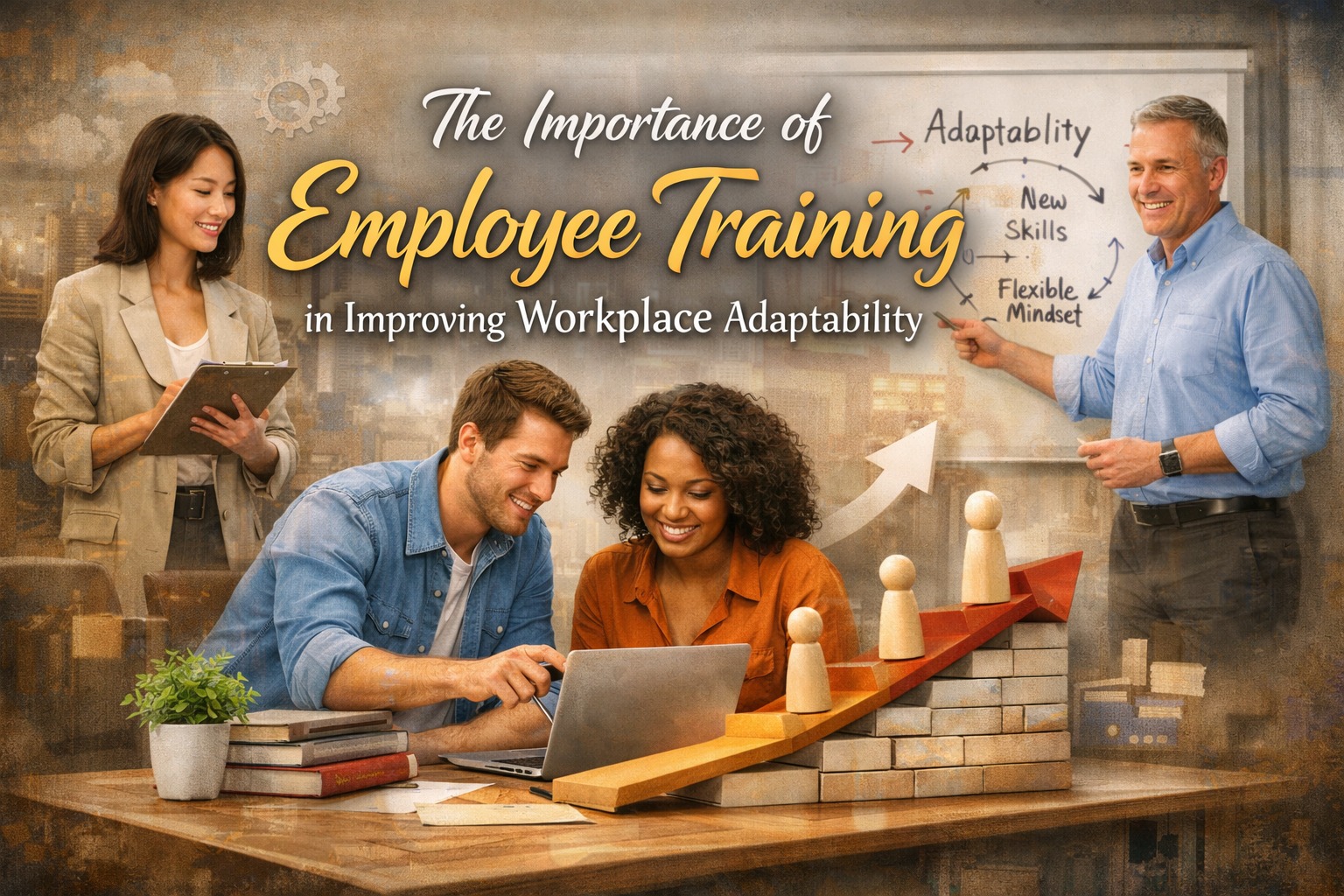
In today's rapidly changing business environment, organizations must continuously adjust to new technologies, market trends, and customer expectations. One of the most effective ways to ensure smooth adaptation is through employee training. Companies that invest in workforce development are better prepared to handle changes and maintain long-term competitiveness. Training not only enhances employees' skills but also strengthens their confidence when facing new challenges. As a result, businesses can achieve greater flexibility, productivity, and sustainability.
UNDERSTANDING THE ROLE OF EMPLOYEE TRAINING IN MODERN WORKPLACES
Employee training plays a crucial role in helping workers acquire the knowledge and skills needed to perform their jobs effectively. As industries continue to evolve, employees must stay updated with the latest tools, technologies, and work processes. Regular training programs ensure that staff members remain competent and capable of meeting changing business demands.
In addition, training creates a culture of continuous learning within an organization. Employees who consistently develop their skills are more likely to embrace change rather than resist it. This mindset significantly improves workplace adaptability, allowing businesses to respond quickly to new opportunities and challenges.
HOW TRAINING IMPROVES WORKPLACE ADAPTABILITY
One of the primary benefits of employee training is its ability to prepare employees for unexpected changes. Whether a company adopts new software, restructures departments, or enters a new market, trained employees can adapt more efficiently. They are familiar with learning processes and can quickly acquire additional knowledge when needed.
Training also improves problem-solving abilities and critical thinking skills. Employees become more confident in handling unfamiliar situations and making informed decisions. This increased flexibility helps organizations maintain productivity even during periods of significant change.
BENEFITS OF EMPLOYEE TRAINING FOR BUSINESS PERFORMANCE
Organizations that prioritize workforce development often experience higher levels of productivity and efficiency. Well-trained employees understand their responsibilities better and can complete tasks more accurately. This reduces costly errors and improves overall operational performance.
Another important benefit is increased employee engagement and job satisfaction. Workers who receive training opportunities feel valued by their employers. This sense of appreciation can improve retention rates, reduce turnover costs, and contribute to a more positive workplace environment.
EFFECTIVE TRAINING STRATEGIES FOR ENHANCING ADAPTABILITY
To maximize the benefits of training, companies should implement programs that align with business goals and employee needs. Digital learning platforms, workshops, mentoring sessions, and hands-on training can all contribute to skill development. Combining multiple training methods often produces the best results.
Organizations should also encourage employees to develop both technical and soft skills. While technical expertise is important, communication, teamwork, leadership, and adaptability are equally valuable. A balanced approach helps employees become more versatile and capable of handling diverse workplace challenges.
THE CONNECTION BETWEEN TRAINING AND ORGANIZATIONAL SUCCESS
Successful organizations understand that adaptability is a key factor in long-term growth. Businesses that regularly invest in employee development can respond faster to industry changes and maintain a competitive advantage. Their workforce is better equipped to innovate and support organizational objectives.
Furthermore, continuous training helps create a resilient company culture. Employees become more open to change, collaboration, and innovation. This adaptability allows organizations to thrive even in uncertain economic conditions and rapidly evolving markets.
CONCLUSION
The importance of employee training in improving workplace adaptability cannot be overstated. Training equips employees with the skills, confidence, and knowledge necessary to navigate change effectively. It enhances productivity, supports employee engagement, and strengthens overall business performance. By investing in workforce development, continuous learning, employee development, and adaptability training, organizations can build a flexible workforce capable of succeeding in the modern business landscape. Ultimately, employee training is not just an investment in people but also an investment in long-term organizational success.
Tentang Penulis
Gusti Ayu Tita P
Penulis — Universitas STEKOM
Penulis aktif yang berfokus pada isu-isu akademik, teknologi pendidikan, dan pengembangan sumber daya manusia di lingkungan kampus.