The Importance Of Forgiveness In Resolving Family Conflict
Gusti Ayu Tita P
8 September 2026
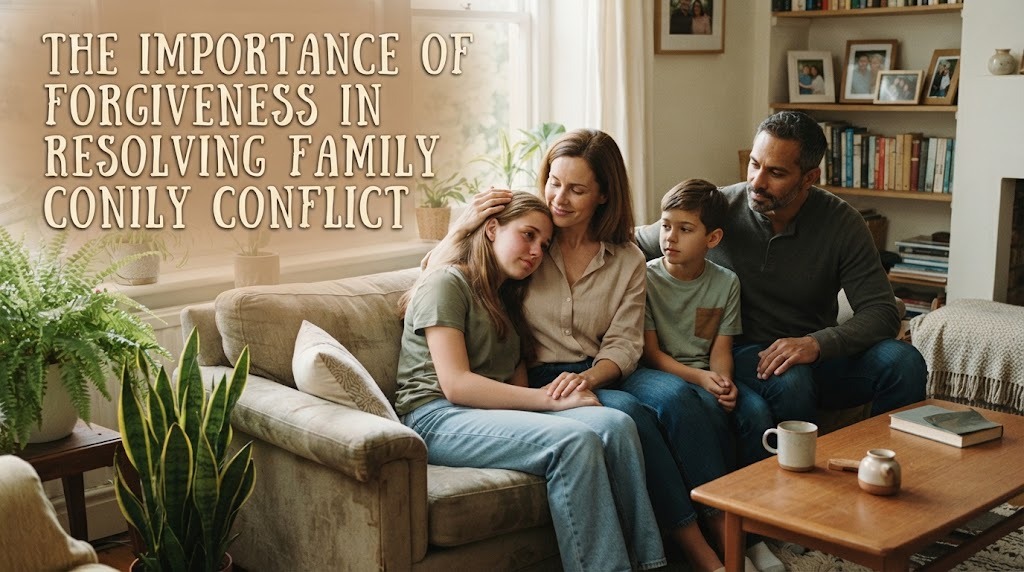
Family conflict can create emotional distance, hurt feelings, and long-lasting misunderstandings. Even after an argument ends, anger and disappointment may continue to affect relationships. Forgiveness can play an important role in helping family members heal and rebuild trust. It does not mean ignoring mistakes or pretending that painful events never happened. Instead, forgiveness can help people release resentment and create space for healthier relationships.
UNDERSTAND WHAT FORGIVENESS REALLY MEANS?
Forgiveness means choosing to let go of some of the anger and resentment connected to a past mistake. It does not mean saying that the other person's behavior was acceptable. Forgiveness and approval are not the same thing, because a person can forgive while still recognizing that something was wrong. Understanding this difference can make forgiveness feel more realistic. It also allows family members to move forward without denying their feelings.
Forgiveness is often a process rather than a single decision. Someone may need time to understand what happened and process their emotions before they are ready to forgive. Patience is important because forcing forgiveness can make emotional healing more difficult.
REDUCE ANGER AND RESENTMENT
Unresolved anger can continue affecting family relationships long after a conflict has ended. Holding onto resentment may cause people to interpret future actions negatively or avoid communication altogether. Forgiveness can help reduce emotional tension and make it easier to approach family members with a calmer attitude. Letting go of resentment does not happen instantly, but it can gradually improve emotional wellbeing. This can create a better foundation for rebuilding the relationship.
Family members can begin by acknowledging their feelings instead of suppressing them. Talking honestly, writing down emotions, or taking time to reflect can help a person understand what they are experiencing. Healthy emotional processing can make forgiveness easier when the person feels ready.
REBUILD TRUST THROUGH SINCERE ACTIONS
Forgiveness alone may not immediately restore trust after a serious disagreement. Trust usually needs to be rebuilt through consistent and responsible behavior. Family members can show their commitment by keeping promises, communicating honestly, and avoiding repeated harmful actions. Small positive changes can gradually make the relationship feel safer. Over time, these actions can support the rebuilding of trust.
The person who caused the hurt should also recognize their responsibility. A sincere apology combined with meaningful behavioral change can show that they genuinely want to improve the relationship. Words become more meaningful when they are supported by actions.
CREATE SPACE FOR HONEST COMMUNICATION
Forgiveness can open opportunities for family members to communicate more honestly. When resentment becomes less intense, people may feel more comfortable discussing what actually caused the conflict. Open communication allows family members to explain their feelings, needs, and expectations without immediately attacking each other. This can reduce misunderstandings that may have contributed to the original disagreement. It also helps family members understand each other's perspectives.
During these conversations, everyone should try to listen carefully. Interrupting, insulting, or bringing up unrelated mistakes can make the situation worse. Respectful communication gives each person a better opportunity to feel heard and understood.
LEARN FROM PAST MISTAKES
Forgiveness does not require a family to forget what happened. Past conflicts can provide useful lessons about communication, boundaries, and emotional behavior. Family members can ask themselves what caused the problem and what could be handled differently in the future. Learning from mistakes can prevent similar disagreements from happening repeatedly. This turns a painful experience into an opportunity for personal and family growth.
It is also important to avoid repeatedly using past mistakes as weapons during future arguments. Once an issue has been addressed, constantly bringing it back can prevent genuine healing. Moving forward means remembering the lesson without allowing the past to control every future interaction.
SET HEALTHY BOUNDARIES AFTER FORGIVENESS
Forgiving someone does not mean allowing harmful behavior to continue. Healthy boundaries can help protect emotional wellbeing while maintaining a respectful relationship. Family members may need to establish clear limits about communication, privacy, personal space, or unacceptable behavior. These boundaries should be communicated calmly rather than used as punishment. They can help create a healthier environment after a difficult conflict.
In some situations, maintaining a certain amount of distance may be necessary while trust is being rebuilt. Forgiveness can happen alongside boundaries when the relationship requires time and caution. Respecting personal limits can make reconciliation safer and more sustainable.
PRACTICE EMPATHY AND UNDERSTANDING
Family conflicts often happen because people see the same situation from different perspectives. Practicing empathy can help family members understand the emotions and experiences behind another person's actions. This does not mean agreeing with everything they did. Instead, it means trying to understand their perspective before making a judgment. Empathy can reduce hostility and create more opportunities for reconciliation.
Family members can ask themselves what the other person may have been feeling at the time of the conflict. This simple change in perspective can encourage patience and compassion. Mutual understanding can make forgiveness more genuine and help strengthen family relationships.
KNOW WHEN FORGIVENESS NEEDS TIME
Not everyone is ready to forgive immediately, and that is normal. Serious emotional pain may require time, reflection, and support before a person can consider forgiveness. Family members should avoid pressuring someone to forgive simply because they want the conflict to end quickly. Healing is different for every person. Giving someone enough time can make the eventual process more sincere.
Forgiveness should also not be used to ignore abuse, threats, or ongoing harmful behavior. In serious situations, safety and appropriate professional support should come first. A person can work toward emotional healing while maintaining necessary boundaries.
STRENGTHEN FAMILY RELATIONSHIPS
When forgiveness is combined with honest communication and changed behavior, it can help strengthen family relationships. Family members may become more willing to discuss problems before they grow into major conflicts. Trust, empathy, and respect can gradually replace anger and emotional distance. Spending quality time together can also help create positive experiences after a difficult period. These efforts can make the family relationship more resilient.
Forgiveness can also teach family members that mistakes do not always have to permanently damage relationships. People can learn, change, and make better choices. A willingness to repair relationships can create a healthier and more supportive family environment.
CONCLUSION
Forgiveness is an important part of resolving family conflict because it can help reduce resentment and create opportunities for healing. It does not mean forgetting mistakes, accepting harmful behavior, or immediately trusting someone again. Genuine forgiveness works best when it is supported by sincere apologies, consistent actions, healthy boundaries, and open communication. Family members should also give themselves enough time to process difficult emotions. With empathy and mutual understanding, forgiveness can help transform painful conflicts into opportunities for stronger family relationships.
Tentang Penulis
Gusti Ayu Tita P
Penulis — Universitas STEKOM
Penulis aktif yang berfokus pada isu-isu akademik, teknologi pendidikan, dan pengembangan sumber daya manusia di lingkungan kampus.