The Importance Of Yoga In Supporting A Healthy Lifestyle
Gusti Ayu Tita P
1 September 2026
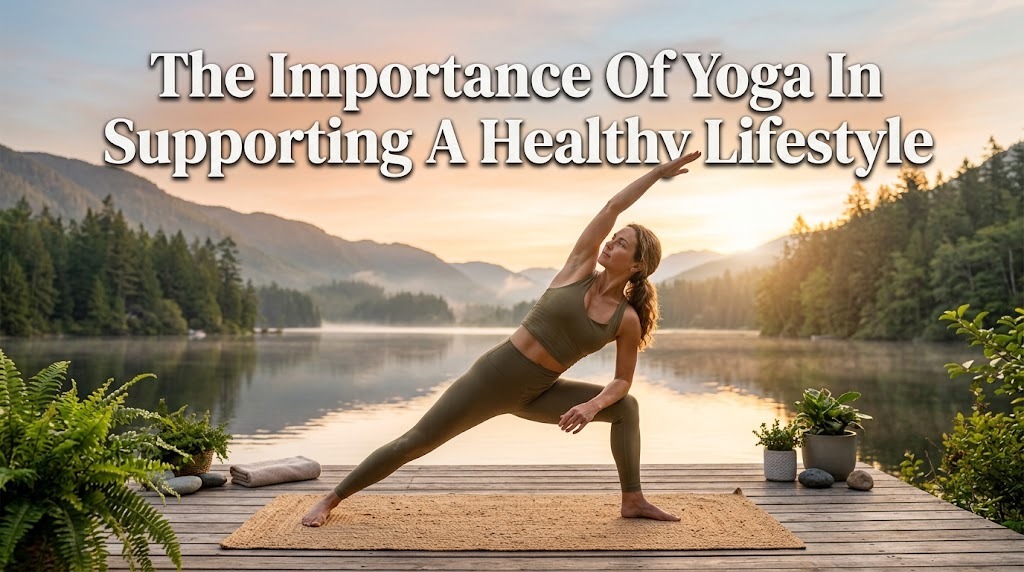
A healthy lifestyle is not only about eating nutritious food but also about staying physically active and managing daily stress. Yoga is one activity that can support several aspects of a healthy lifestyle through movement, breathing, balance, and relaxation. It can be practiced by people with different fitness levels and does not always require complicated equipment. When practiced regularly and appropriately, yoga can become a useful part of a balanced daily routine.
Yoga also encourages people to pay closer attention to their bodies and breathing. This awareness can help individuals recognize when they need movement, rest, or a change in their routine. Consistency is more important than intensity, especially for beginners. By making yoga a regular habit, people can gradually develop healthier movement and relaxation practices.
SUPPORTING PHYSICAL FITNESS
Yoga involves various movements that can train flexibility, balance, mobility, and muscular endurance. Different poses require the body to support, stabilize, or move against gravity. Regular practice can help people become more comfortable with everyday movements. However, yoga should complement rather than completely replace other forms of physical activity.
A balanced exercise routine can include aerobic activities, strength training, and flexibility-focused exercises. Yoga can contribute particularly well to flexibility, balance, and body awareness. Beginners should choose movements that match their current physical ability. Gradual progression can make the practice safer and easier to maintain.
HELPING MANAGE DAILY STRESS
Daily responsibilities can create physical and mental tension. Yoga combines gentle movement with breathing and focused attention, which can provide an opportunity to slow down and relax. A calm yoga session may help people create a short break from demanding activities. Relaxation and controlled breathing are important elements of many yoga practices.
Yoga should not be viewed as a replacement for professional treatment when someone experiences significant or persistent mental health difficulties. Instead, it can be one supportive activity within a broader approach to well-being. Practicing in a quiet environment may make relaxation easier. Regular relaxation habits can contribute to a more balanced lifestyle.
IMPROVING BODY AWARENESS
Yoga encourages practitioners to pay attention to posture, breathing, muscle tension, and movement. This process can improve body awareness, helping people understand how their bodies respond to different positions. Better awareness may encourage individuals to recognize when a movement feels uncomfortable or needs modification. This is especially useful for beginners who are still learning how their bodies move.
Body awareness can also support safer exercise habits. Instead of forcing a pose, practitioners can adjust the movement based on their comfort and ability. This approach reduces the tendency to compare personal progress with others. Listening to the body is an important principle for maintaining a sustainable practice.
SUPPORTING BETTER BALANCE AND COORDINATION
Balance is an important physical skill for everyday activities. Many yoga poses require controlled positioning of the feet, legs, core, and upper body. Practicing these movements can help develop balance and coordination over time. Beginners can start with supported poses before attempting more challenging balance exercises.
Balance exercises should always be performed in a safe environment. Using a wall or another stable support can be helpful when learning unfamiliar movements. The goal is not to hold a difficult pose for as long as possible. Controlled movement and stability are more important than advanced techniques.
ENCOURAGING BETTER BREATHING HABITS
Breathing is an important part of many yoga practices. Beginners are often encouraged to notice their breathing while moving through different poses. Slow and comfortable breathing can help create a more relaxed practice. Breath awareness can also make it easier to remain focused during exercise.
Some yoga traditions include specific breathing exercises, but beginners do not need to learn advanced techniques immediately. Breathing should remain comfortable and should not cause dizziness or discomfort. If a technique feels unusual or difficult, it is better to stop and return to natural breathing. Comfort and control should always be prioritized.
SUPPORTING QUALITY REST AND RELAXATION
A busy lifestyle can make it difficult to create time for rest. Gentle yoga sessions can provide a relaxing activity that encourages people to slow down before bedtime or after a demanding day. Combining simple stretches with controlled breathing may help create a calmer transition into rest. Relaxation-focused yoga can therefore fit well into an evening routine.
However, yoga should not be considered a guaranteed treatment for sleep problems. Persistent sleep difficulties may require professional evaluation. For general wellness, creating a consistent evening routine that includes gentle movement can be a useful habit. A calm routine may make it easier to separate active periods from time dedicated to rest.
HELPING BUILD A CONSISTENT ACTIVE ROUTINE
One advantage of yoga is its flexibility as an activity. It can be practiced at home, in a studio, outdoors, or in another suitable space. Many routines can be completed without specialized equipment. This makes yoga a practical option for people who want to add more movement to their daily lives.
The most effective routine is one that can be maintained consistently. Beginners can start with short sessions and gradually increase the duration or difficulty. Setting realistic goals can make it easier to continue practicing without feeling overwhelmed. Small and consistent habits can have greater long-term value than occasional intense workouts.
COMPLEMENTING OTHER HEALTHY HABITS
Yoga works best when combined with other healthy lifestyle habits. A balanced diet, sufficient sleep, regular physical activity, and appropriate stress management all contribute to overall well-being. Yoga can support these habits but should not replace them. A healthy lifestyle requires balance across different areas.
For example, someone may combine yoga with walking, cycling, swimming, or strength training. The choice depends on personal interests, physical condition, and individual goals. Maintaining variety can also make physical activity more enjoyable. A balanced approach can make healthy habits easier to maintain over time.
PRACTICING YOGA SAFELY
Safety should always be considered when starting or developing a yoga routine. Beginners should learn basic techniques and avoid forcing their bodies into uncomfortable positions. Sharp pain, numbness, or unusual symptoms are signals to stop and reassess the movement. Yoga should not be painful to be effective.
Choose a stable practice surface and wear comfortable clothing that allows free movement. If you have an injury, persistent pain, or a health condition that affects exercise, consider consulting an appropriate health professional before beginning. A qualified instructor can also help demonstrate modifications. Proper technique and individual limitations should always be respected.
CONCLUSION
The importance of yoga in supporting a healthy lifestyle can be seen through its contribution to flexibility, balance, body awareness, relaxation, and controlled movement. Yoga offers a practical way to stay active while also creating time for breathing and focused attention. It can be adapted to different abilities and lifestyles, making it accessible to many people. However, yoga is most effective when used as part of a broader healthy lifestyle.
Starting does not require complicated equipment or advanced skills. Begin with simple movements, practice consistently, and gradually increase the challenge as your body becomes more comfortable. Combine yoga with nutritious eating, adequate rest, and other forms of physical activity. Consistency, balance, and safe practice are the key foundations for making yoga a sustainable part of everyday life.
Tentang Penulis
Gusti Ayu Tita P
Penulis — Universitas STEKOM
Penulis aktif yang berfokus pada isu-isu akademik, teknologi pendidikan, dan pengembangan sumber daya manusia di lingkungan kampus.