
The Influence of Social Media on the Rise of a Hedonistic Lifestyle
Gusti Ayu Tita P
8 September 2026
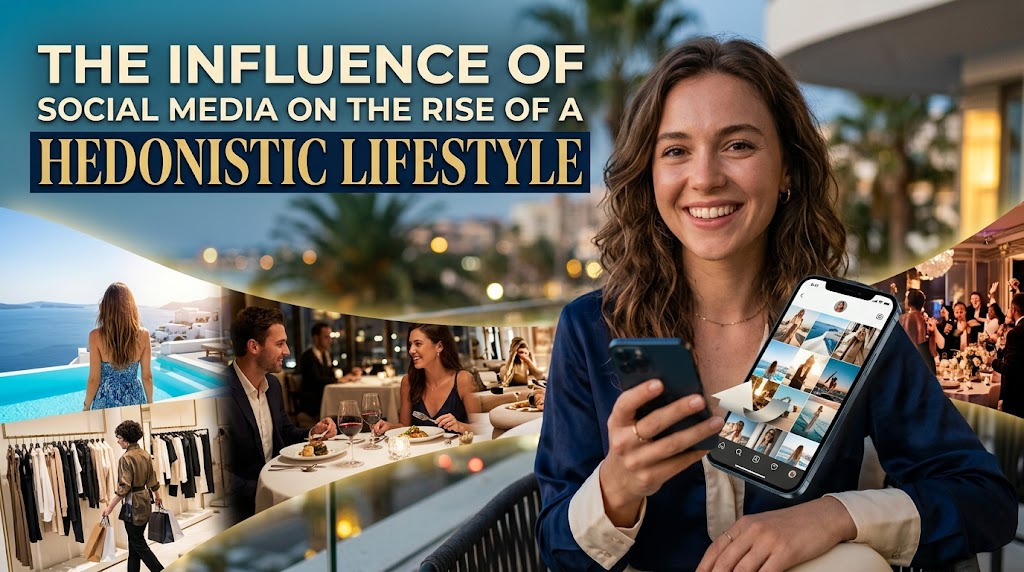
Social media has become an important part of everyday life, especially among young people. Platforms that provide photos, short videos, advertisements, and lifestyle content allow users to discover new trends almost instantly. This constant exposure can influence how people view happiness, success, appearance, and consumption. As a result, social media has become one of the factors contributing to the growing visibility of a hedonistic lifestyle.
THE GROWING ROLE OF SOCIAL MEDIA
Social media allows people to share information and experiences with a large audience within seconds. Users can easily see content about travel, fashion, restaurants, entertainment, technology, and other lifestyle trends. This continuous exposure can shape people's preferences and influence their purchasing decisions. For young people, online content can become an important source of information about what is considered popular or desirable.
The influence becomes stronger because social media is used frequently throughout the day. A person may encounter promotional content while watching entertainment videos or communicating with friends. Lifestyle content and advertising can therefore become part of everyday digital activity without always feeling like traditional advertising. Over time, repeated exposure may encourage consumers to develop stronger interest in products and experiences associated with pleasure and status.
SOCIAL MEDIA AND THE DESIRE FOR PLEASURE
The hedonistic lifestyle places considerable importance on pleasure, comfort, and immediate satisfaction. Social media can support this mindset by constantly presenting attractive experiences. Images of luxurious vacations, fashionable clothing, expensive meals, new gadgets, and entertainment can create the impression that these things are important sources of happiness.
This does not mean that every social media user will become hedonistic. People have different personalities, financial situations, and priorities. However, frequent exposure to consumption-oriented content can influence attitudes toward spending and lifestyle choices. When pleasure is repeatedly presented through products and experiences, some users may begin to associate happiness with what they can buy or display.
THE INFLUENCE OF INFLUENCERS AND CONTENT CREATORS
Influencers and content creators have an important role in shaping consumer trends. Their recommendations can make certain products, destinations, restaurants, or activities quickly gain attention. Followers may trust these recommendations because they feel more personal and relatable than conventional advertisements. This can influence purchasing decisions, particularly among younger audiences.
The presentation of a product also matters. A simple item can appear more desirable when it is presented as part of an attractive lifestyle. For example, a fashion product may be connected with confidence, popularity, or social status rather than its practical function. This form of lifestyle marketing can encourage consumers to purchase products not only because they need them but also because they want to identify with a particular image.
SOCIAL COMPARISON AND FOMO
Another major influence is social comparison. People may compare their appearance, possessions, experiences, and achievements with what they see on social media. Because users generally share selected moments from their lives, online content can create an unrealistic impression that other people are constantly enjoying exciting and successful experiences.
This can contribute to FOMO or Fear of Missing Out. A person may feel uncomfortable when they see friends attending events, traveling, purchasing new products, or participating in popular trends. The desire to avoid feeling left behind can encourage unnecessary spending. In this way, social comparison and FOMO can strengthen the relationship between social media and hedonistic consumption.
THE IMPACT ON SPENDING HABITS
Social media can influence consumer behavior by making products easier to discover and purchase. Many platforms connect advertisements and product recommendations directly with online shopping services. Users can move from watching content to visiting a product page within seconds. This convenience can reduce the amount of time people spend thinking about whether a purchase is genuinely necessary.
Promotional strategies can make the situation more powerful. Discounts, limited-time offers, product launches, and viral trends can create a sense of urgency. Some consumers may purchase products because they are afraid of missing a good opportunity rather than because the products are needed. If this pattern happens frequently, it can contribute to excessive spending and weaker financial control.
THE POSITIVE AND NEGATIVE SIDES OF SOCIAL MEDIA
Social media should not be viewed only as a negative influence. It can provide valuable opportunities for education, communication, creativity, entrepreneurship, and professional development. Young people can discover useful knowledge, promote small businesses, learn new skills, and connect with communities that share their interests. Therefore, the impact of social media depends greatly on how it is used.
The challenge is maintaining digital awareness and responsible consumption. Users should recognize that online content is often carefully selected and may not represent someone's complete financial or personal situation. Taking everything seen online as a standard for personal success can create unnecessary pressure. By becoming more critical of digital content, young people can enjoy social media without allowing it to control their lifestyle choices.
CONCLUSION
The influence of social media on the rise of a hedonistic lifestyle can be seen through changing consumer habits, lifestyle trends, social comparison, influencer marketing, and FOMO. Social media makes attractive products and experiences highly visible, while digital shopping makes consumption easier. Although these platforms do not automatically create hedonistic behavior, repeated exposure to consumption-oriented content can influence how young people understand happiness and social status.
The solution is not necessarily to stop using social media. Young people can develop responsible digital habits, evaluate online content critically, and distinguish between genuine needs and temporary desires. Setting financial priorities and avoiding unnecessary social comparison can also reduce the pressure to follow every trend. With greater awareness, social media can remain a useful tool without becoming a major driver of excessive consumption and unhealthy financial habits.
Tentang Penulis
Gusti Ayu Tita P
Penulis — Universitas STEKOM
Penulis aktif yang berfokus pada isu-isu akademik, teknologi pendidikan, dan pengembangan sumber daya manusia di lingkungan kampus.