
The Influence of Social Media Trends on Teenagers’ Self-Confidence
Gusti Ayu Tita P
18 Juli 2026
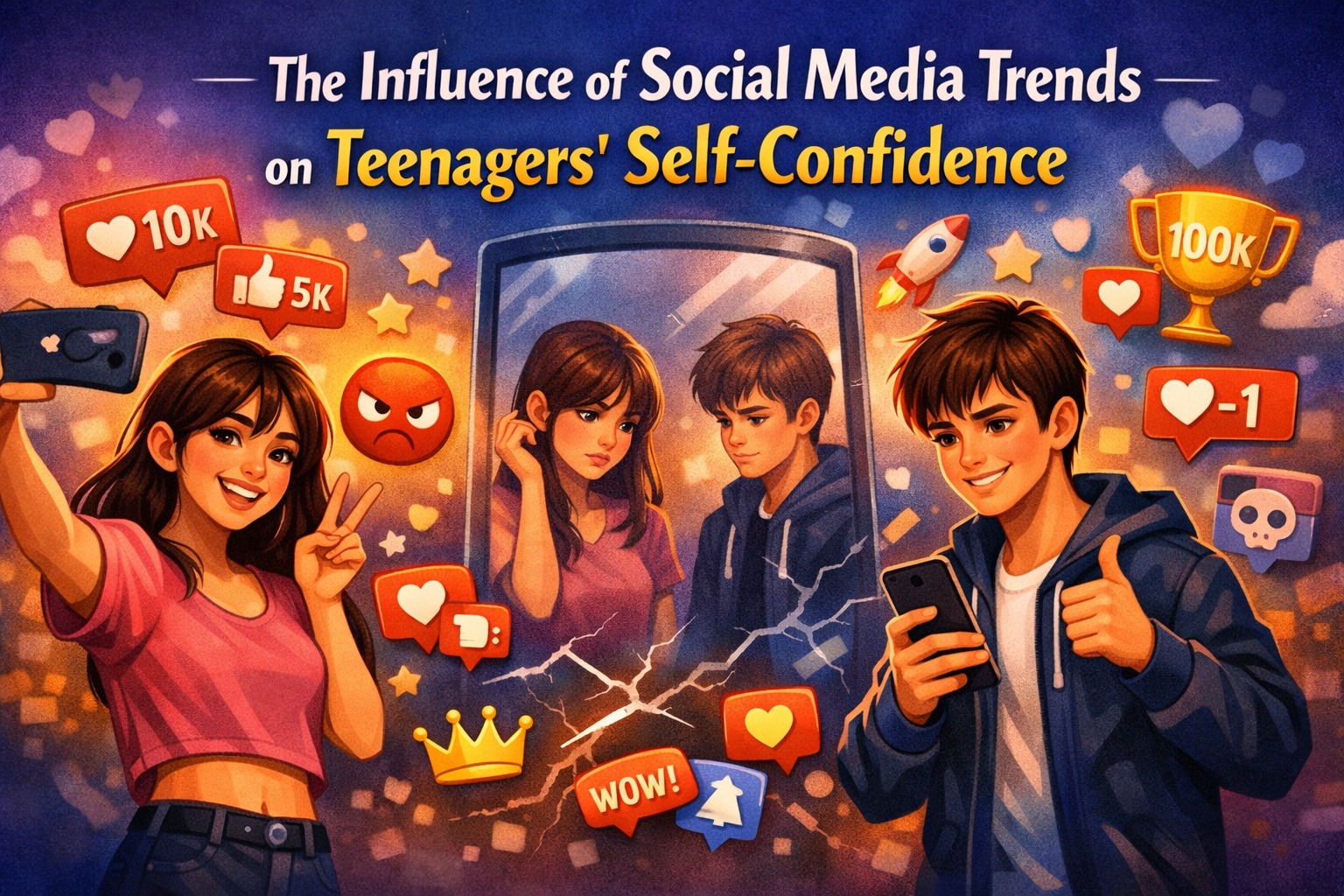
Social media trends have become a powerful force in shaping teenage lifestyles. From fashion challenges and beauty standards to viral dances and lifestyle content, teenagers are constantly exposed to new trends every day. While some trends can inspire creativity and connection, others can strongly affect teenagers’ self-confidence. The influence of social media trends on teenagers’ self-confidence has become an important topic in today’s digital era.
HOW SOCIAL MEDIA TRENDS SHAPE TEENAGERS?
Teenagers often use social media to discover what is popular among their peers. Trends spread quickly through platforms such as TikTok, Instagram, and YouTube, encouraging young users to follow certain styles, behaviors, or appearances.
Because teenagers are in a stage of self-discovery, they are more likely to compare themselves to others. When they see influencers or friends receiving attention for following trends, they may feel pressure to do the same.
POSITIVE EFFECTS ON SELF-CONFIDENCE
Not all social media trends are harmful. Some trends can help teenagers feel more confident and connected.
1.ENCOURAGING SELF-EXPRESSION
Creative trends such as dance videos, art challenges, and personal storytelling allow teenagers to show their talents and personality.
2.BUILDING COMMUNITIES
Online communities centered around hobbies, sports, or shared interests can help teenagers feel accepted and valued.
3.MOTIVATING PERSONAL GROWTH
Positive trends about fitness, studying, or mental health awareness may encourage teenagers to improve themselves.
NEGATIVE EFFECTS ON SELF-CONFIDENCE
Although social media offers benefits, many trends can also damage teenagers’ confidence.
1.UNREALISTIC BEAUTY STANDARDS
Edited photos and filtered videos often create false expectations about beauty, body shape, and lifestyle.
2.CONSTANT COMPARISON
Teenagers may compare their looks, popularity, or achievements with others, leading to insecurity.
3.FEAR OF MISSING OUT
When teenagers feel left behind because they cannot follow a trend, they may experience anxiety or low confidence.
4.DEPENDENCE ON VALIDATION
Some teenagers begin to measure self-worth through likes, comments, and followers rather than real personal value.
SIGNS OF LOW SELF-CONFIDENCE CAUSED BY SOCIAL MEDIA
Parents and teachers should pay attention to warning signs, such as:
- Frequent self-comparison
- Sadness after using social media
- Obsession with appearance
- Fear of posting content
- Reduced social interaction
- Need for constant online approval
HOW TO BUILD HEALTHY CONFIDENCE
Teenagers can maintain strong self-confidence by using social media wisely.
1.LIMIT SCREEN TIME
Reducing excessive use helps teenagers focus on real-life experiences and relationships.
2.FOLLOW POSITIVE CONTENT
Choose accounts that inspire learning, creativity, and authenticity.
3.DEVELOP REAL SKILLS
Sports, arts, academics, and hobbies build confidence through achievement.
4.REMEMBER ONLINE CONTENT IS CURATED
Many posts show only the best moments, not real everyday life.
THE ROLE OF PARENTS AND SCHOOLS
Parents and schools should guide teenagers in understanding social media critically. Open conversations about self-worth, online pressure, and realistic expectations can help teenagers stay emotionally healthy.
Supportive environments at home and school are essential for developing confidence that does not depend on trends.
CONCLUSION
The influence of social media trends on teenagers’ self-confidence can be both positive and negative. While trends may inspire creativity and connection, they can also create pressure and insecurity. By promoting healthy habits, critical thinking, and self-acceptance, teenagers can enjoy social media without losing confidence in themselves.
Tentang Penulis
Gusti Ayu Tita P
Penulis — Universitas STEKOM
Penulis aktif yang berfokus pada isu-isu akademik, teknologi pendidikan, dan pengembangan sumber daya manusia di lingkungan kampus.



