The Role of Education and Training in Career Development
Gusti Ayu Tita P
20 Juli 2026
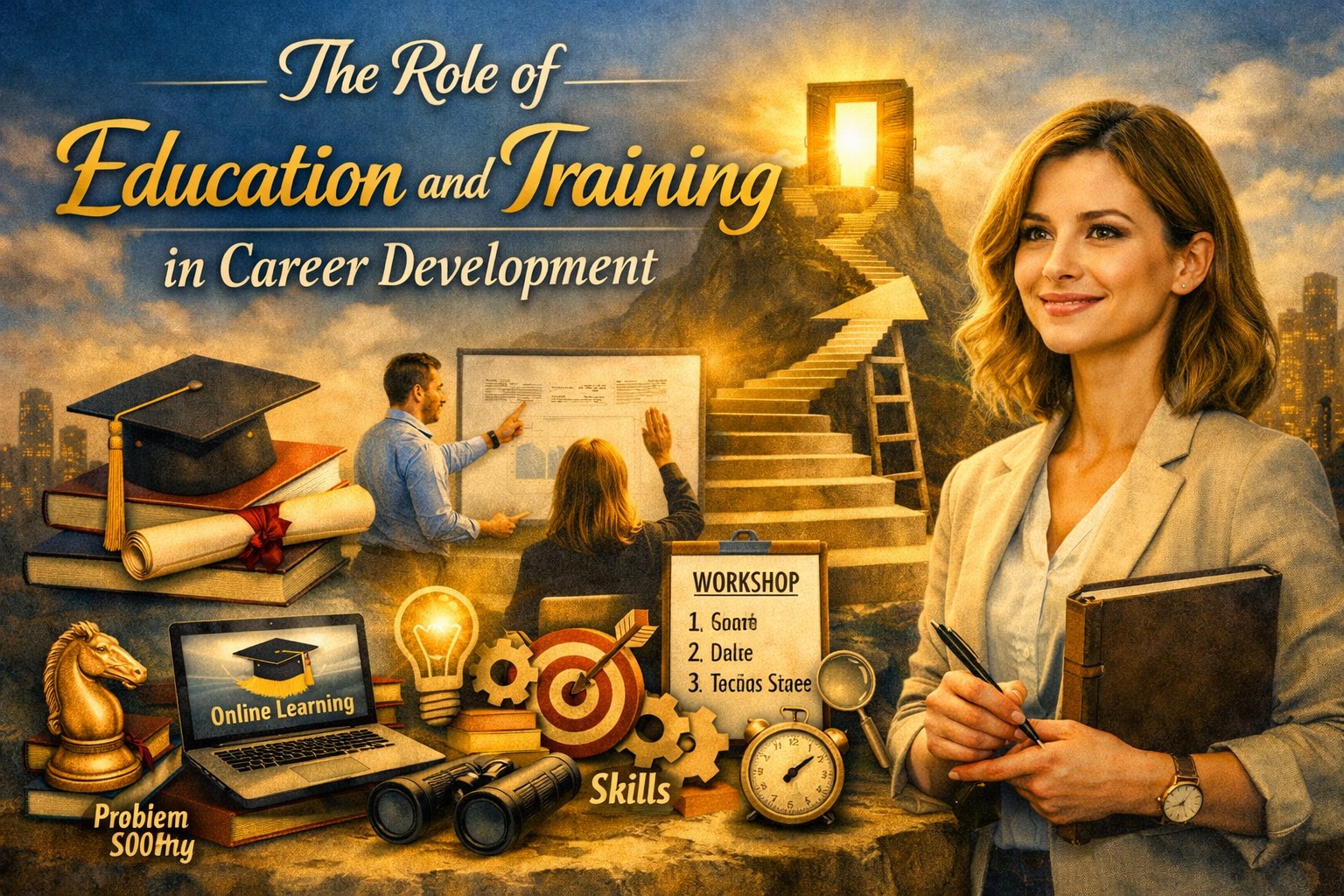
In today's competitive job market, education and training play a crucial role in helping individuals build successful careers. Employers increasingly seek candidates who possess not only academic qualifications but also practical skills that can contribute to organizational growth. Through continuous learning, people can adapt to changing industry demands and improve their professional capabilities.
Education provides the foundation of knowledge, while training helps individuals apply that knowledge in real-world situations. Together, they create a strong pathway toward career development, better job opportunities, and long-term professional success.
IMPORTANCE OF EDUCATION IN CAREER DEVELOPMENT
Education is one of the most valuable investments a person can make for their future. It helps individuals gain knowledge, develop critical thinking abilities, and understand concepts related to their chosen field. A strong educational background often increases employability and opens doors to a wider range of career opportunities.
In addition, education helps people build confidence and improve problem-solving skills. Many employers view educational qualifications as evidence of dedication, discipline, and the ability to learn. As industries continue to evolve, educational achievements remain an important factor in career advancement and professional credibility.
THE ROLE OF TRAINING IN SKILL ENHANCEMENT
While education provides theoretical knowledge, training focuses on developing practical skills that are directly applicable in the workplace. Training programs help employees learn new technologies, improve technical abilities, and stay updated with industry trends. This practical experience makes workers more effective and productive in their roles.
Regular training also helps individuals adapt to changes in the job market. As businesses adopt new systems and technologies, employees who participate in training programs are better prepared to handle new challenges. This continuous improvement contributes significantly to professional growth and career progression.
IMPROVING EMPLOYABILITY THROUGH CONTINUOUS LEARNING
The modern workplace values individuals who are committed to continuous learning. Acquiring new knowledge and skills allows professionals to remain competitive in a rapidly changing environment. Learning does not end after graduation; it is an ongoing process that supports personal and professional development.
People who actively pursue additional courses, certifications, and training opportunities often have a greater chance of securing promotions and better job positions. Continuous learning demonstrates adaptability, motivation, and a willingness to improve, qualities that employers highly appreciate.
BUILDING PROFESSIONAL CONFIDENCE AND COMPETENCE
Education and training contribute significantly to building professional confidence. Individuals who understand their field and possess relevant skills are more comfortable handling responsibilities and making important decisions. Confidence often leads to better workplace performance and stronger leadership potential.
Furthermore, competence gained through education and training allows employees to solve problems more effectively. Organizations benefit from workers who can perform tasks efficiently and contribute innovative ideas. This combination of confidence and competence supports long-term career success.
SUPPORTING CAREER ADVANCEMENT OPPORTUNITIES
One of the primary benefits of education and training is increased access to career advancement opportunities. Employers often consider qualifications, certifications, and specialized skills when selecting candidates for promotions and leadership positions. Individuals who invest in their professional development are more likely to achieve career goals.
In addition, advanced education and specialized training can open pathways to higher-paying jobs and new career fields. As industries become more competitive, continuous professional development remains essential for long-term career growth and stability.
ADAPTING TO CHANGES IN THE MODERN WORKPLACE
The workplace is constantly changing due to technological innovation and evolving business practices. Education and training help individuals remain adaptable and prepared for these changes. Learning new skills enables employees to work effectively with modern tools and systems.
Adaptability is a highly valued characteristic in today's workforce. Professionals who embrace learning opportunities can respond more effectively to industry changes and maintain their relevance in the job market. This ability supports both individual success and organizational growth.
CONCLUSION
The role of education and training in career development is essential for achieving professional success. Education provides the knowledge foundation needed for growth, while training develops practical skills that enhance workplace performance.
By embracing continuous learning and skill development, individuals can improve employability, increase career opportunities, and adapt to changing workplace demands. Investing in education and training remains one of the most effective ways to build a successful and sustainable career.
Tentang Penulis
Gusti Ayu Tita P
Penulis — Universitas STEKOM
Penulis aktif yang berfokus pada isu-isu akademik, teknologi pendidikan, dan pengembangan sumber daya manusia di lingkungan kampus.