The Role Of Education In Building A Strong Sense Of Nationalism
Gusti Ayu Tita P
4 Agustus 2026
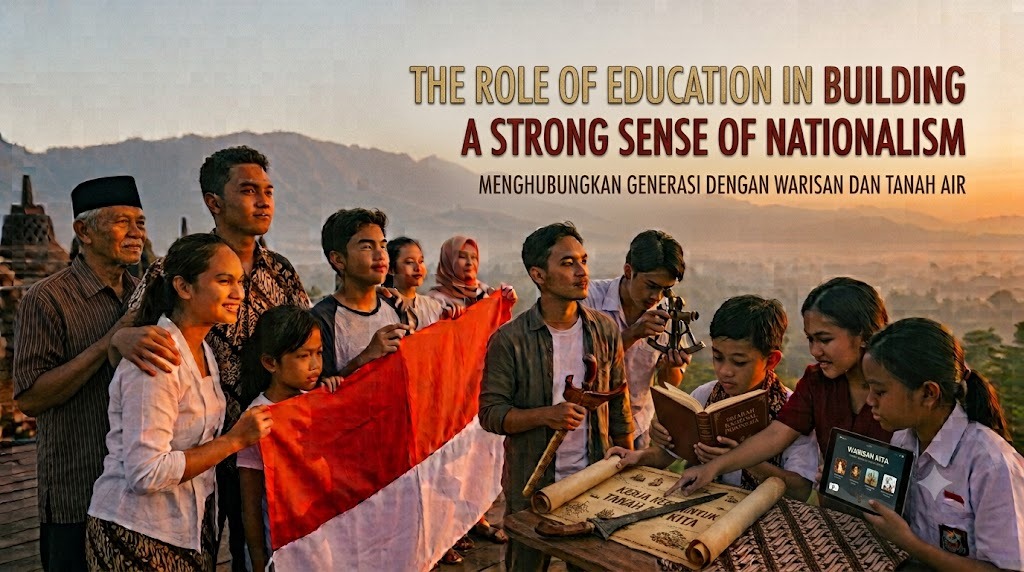
Education plays an important role in developing a strong sense of nationalism. It does not only provide academic knowledge but also helps students develop character, responsibility, and awareness of their role in society. Through education, young people can learn about their country's history, culture, values, and diversity. These lessons can help them develop love and respect for their country.
In a diverse country such as Indonesia, education is especially important for strengthening unity. Students come from different cultural, religious, ethnic, and social backgrounds. Schools can provide an environment where students learn to respect these differences and work together. Education can therefore become a foundation for building responsible citizens who care about national unity and the future of their country.
UNDERSTANDING NATIONALISM THROUGH EDUCATION
Nationalism is a sense of love, belonging, loyalty, and responsibility toward one's country. Education helps students understand that nationalism is not simply about displaying national symbols or participating in ceremonies. It can be demonstrated through respecting others, following laws, protecting the environment, preserving culture, and contributing to society. These everyday behaviors make nationalism meaningful and practical.
Students can learn about nationalism through history, civics, literature, social studies, and cultural education. Teachers can explain how national identity developed and why unity is important in a diverse society. Understanding the struggles and achievements of previous generations can also help students appreciate the opportunities they have today. Historical awareness can strengthen both national pride and social responsibility.
THE IMPORTANCE OF HISTORY EDUCATION
History education is an important part of developing nationalism. Learning about the nation's past allows students to understand the struggles, sacrifices, and achievements that shaped their country. Indonesian history includes important experiences related to independence, national movements, and the development of national identity. Understanding history can create appreciation for the efforts of previous generations.
History education should not only require students to memorize dates and events. It should encourage them to understand the values behind historical experiences, such as unity, courage, cooperation, and responsibility. When students connect historical lessons with present-day challenges, they can better understand their role in protecting national unity. This approach can make history more meaningful and relevant.
DEVELOPING RESPECT FOR CULTURAL DIVERSITY
Indonesia has a rich cultural diversity that includes many ethnic groups, languages, religions, traditions, and local customs. Education can help students understand that this diversity is an important part of national identity. Respect for cultural differences can reduce prejudice and encourage students to build positive relationships with people from different backgrounds. Schools can introduce students to various Indonesian traditions through lessons and activities.
Cultural activities can make learning more engaging. Students can participate in traditional arts, cultural exhibitions, language programs, or local heritage projects. These activities allow them to experience diversity directly rather than learning about it only from textbooks. Cultural awareness can strengthen national pride while encouraging tolerance and mutual respect.
BUILDING TOLERANCE AND SOCIAL RESPONSIBILITY
Tolerance is an important value that education can develop from an early age. Students need to learn how to respect people who have different beliefs, opinions, cultures, and backgrounds. Schools can encourage respectful discussions and cooperation among students. This creates an environment where differences are understood as part of a diverse society.
Education can also develop social responsibility. Students can participate in community service, environmental activities, charity programs, and school organizations. These activities teach them to care about other people and understand that everyone has responsibilities within society. By practicing cooperation and empathy, students can develop attitudes that support national unity.
DEVELOPING CRITICAL THINKING AND DIGITAL LITERACY
Modern nationalism also requires students to become responsible users of digital technology. Social media and online platforms provide access to large amounts of information, but not all information is accurate. Education can teach students how to evaluate sources, identify misinformation, and communicate responsibly online. Digital literacy and critical thinking are therefore important skills for modern citizens.
Students should understand that online behavior can influence society. Sharing false information, hate speech, or provocative content can create misunderstanding and division. Teachers can encourage students to verify information before sharing it and respect different opinions during online discussions. Responsible digital behavior is a modern form of social responsibility and nationalism.
THE ROLE OF TEACHERS IN BUILDING NATIONALISM
Teachers have an important influence on how students understand and practice national values. They can introduce nationalism through lessons, classroom discussions, school activities, and their own behavior. Teachers should become positive examples of discipline, fairness, respect, and responsibility. Students are more likely to understand national values when they see them practiced consistently.
Teachers can also create opportunities for students to work together. Group projects, discussions, cultural activities, and community programs can teach students how to cooperate with people who have different perspectives. Such experiences help students develop communication, teamwork, empathy, and leadership skills. These qualities are valuable for both personal development and national development.
THE ROLE OF SCHOOLS IN STRENGTHENING NATIONAL IDENTITY
Schools are not only places for academic learning. They are also environments where students develop social skills, character, and a sense of belonging. School ceremonies, cultural programs, student organizations, and community activities can provide opportunities to practice national values. A positive school environment can help students develop discipline, cooperation, and respect for diversity.
Schools can also encourage students to appreciate Indonesian achievements and local communities. Students may learn about national innovators, athletes, artists, entrepreneurs, and other contributors. This can create motivation and a sense of pride in the country's potential. Recognizing positive national achievements can inspire students to contribute through their own talents and abilities.
ENCOURAGING YOUNG PEOPLE TO CONTRIBUTE TO SOCIETY
Young people are an important part of the future of Indonesia. Education can encourage students to use their knowledge and skills to help solve problems in their communities. They can participate in volunteer programs, environmental projects, entrepreneurship, student organizations, and social activities. These experiences help them understand that national development requires active participation.
Contribution does not always require major achievements. Students can start by helping classmates, keeping their environment clean, completing responsibilities, and respecting school rules. Small positive actions can develop habits of responsibility and care for others. When these habits become part of everyday life, they can contribute to a stronger sense of nationalism.
EDUCATION AND NATIONAL UNITY
Education has a direct connection with national unity because it brings students from different backgrounds together. Schools provide opportunities for students to learn, communicate, and cooperate regardless of their differences. Through shared activities, students can discover common goals and develop mutual understanding. This can reduce prejudice and strengthen relationships between different groups.
Education can also teach students how to resolve disagreements peacefully. Instead of responding to differences with hostility, students can learn to use discussion, compromise, and mutual respect. The ability to manage differences peacefully is essential for maintaining unity in a diverse society. A strong educational system can therefore contribute to a more peaceful and cohesive nation.
CHALLENGES IN DEVELOPING NATIONALISM THROUGH EDUCATION
Education faces several challenges in developing nationalism in the modern era. Globalization, digital misinformation, cultural changes, social polarization, and declining interest in local traditions can influence young people's attitudes. Students are exposed to information and cultural influences from many countries. Without proper guidance, they may have difficulty balancing global awareness with national identity.
These challenges require education to continue adapting. Schools need to combine traditional learning with digital literacy, cultural education, and practical social activities. Nationalism should be taught in an inclusive and relevant way, not as a rejection of other cultures or ideas. By connecting national values with students' real experiences, education can remain effective in the modern world.
CONCLUSION
Education plays a fundamental role in building a strong sense of nationalism. Through history education, cultural learning, tolerance, digital literacy, social activities, and character development, students can understand what it means to become responsible citizens. Education helps young people appreciate their national identity while respecting diversity and participating positively in society.
The development of nationalism should involve schools, teachers, families, communities, and students. Strong education can produce a generation that is knowledgeable, tolerant, responsible, and proud of its national identity. When young people receive meaningful education and opportunities to contribute, they become better prepared to maintain national unity and support Indonesia's future development.
Tentang Penulis
Gusti Ayu Tita P
Penulis — Universitas STEKOM
Penulis aktif yang berfokus pada isu-isu akademik, teknologi pendidikan, dan pengembangan sumber daya manusia di lingkungan kampus.