
The Role of Nuclear Power Plants in Energy Security
Gusti Ayu Tita P
1 September 2026
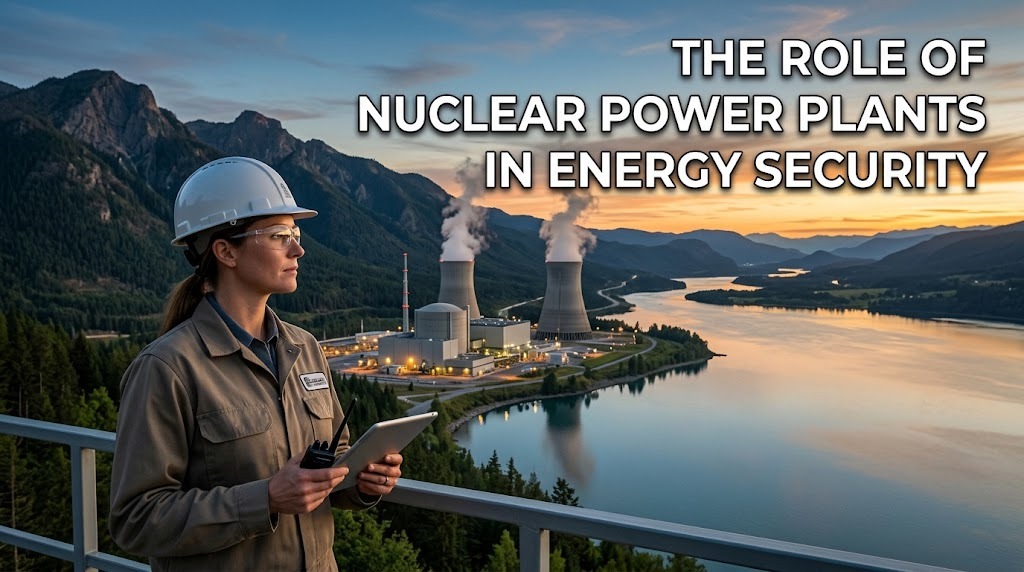
Energy security is becoming increasingly important as countries face rising electricity demand, fuel price uncertainty, supply disruptions, and the need to reduce carbon emissions. A reliable energy system needs enough power to meet demand while remaining resilient to unexpected changes. Nuclear power plants can contribute to this goal by providing a stable source of low carbon electricity. They can operate for long periods and produce electricity regardless of weather conditions.
Nuclear power is not a complete solution to every energy challenge. However, when combined with renewable energy, energy storage, stronger power grids, and energy efficiency, it can become an important part of a diversified electricity system. Understanding the role of nuclear power plants helps explain why many countries continue to consider nuclear energy as part of their long term energy strategies.
PROVIDING RELIABLE ELECTRICITY
One of the main advantages of nuclear power plants is their ability to provide a continuous supply of electricity. Nuclear reactors can operate for extended periods and are designed to provide steady power to the grid. This reliability is valuable for homes, businesses, hospitals, factories, and other facilities that depend on stable electricity. Unlike solar and wind power, nuclear generation does not directly depend on daily weather conditions.
Reliable generation can also help electricity systems manage periods of high demand. Nuclear plants can provide a strong foundation for the power grid while other sources respond to changing demand and supply. This does not mean nuclear power must operate alone. A balanced system can combine nuclear power with renewable sources and storage technologies to improve overall reliability.
DIVERSIFYING THE ENERGY MIX
Energy security depends partly on having a diverse mix of energy sources. Relying too heavily on one fuel or technology can create vulnerabilities when supply chains are disrupted or prices change. Nuclear power can provide another source of electricity alongside natural gas, coal, hydropower, solar, wind, geothermal energy, and other technologies. Greater diversification can make the electricity system more resilient.
Nuclear power also requires relatively small quantities of fuel compared with the amount of electricity produced. Uranium can be stored for extended periods, which can provide additional flexibility in fuel management. However, nuclear fuel supply chains still need to be managed carefully. Countries therefore need reliable access to fuel, appropriate infrastructure, and strong international supply relationships.
REDUCING DEPENDENCE ON FOSSIL FUELS
Nuclear power can help reduce dependence on fossil fuels in the electricity sector. Nuclear reactors generate electricity without burning coal, oil, or natural gas during normal operation. This can reduce exposure to fluctuations in fossil fuel prices and improve the diversity of electricity generation. Nuclear energy also produces very low greenhouse gas emissions over its life cycle compared with fossil fuel based electricity.
Reducing fossil fuel dependence can strengthen energy security while supporting climate goals. However, nuclear power should not be viewed as a replacement for renewable energy. Solar, wind, hydropower, geothermal energy, and other low carbon sources can also play important roles. A diversified low carbon system can use different technologies according to their strengths and local conditions.
SUPPORTING THE ENERGY TRANSITION
The transition to a lower carbon energy system requires large amounts of reliable electricity. Electricity demand may increase as transportation, heating, and some industrial processes become more electrified. Nuclear power can provide low carbon electricity while countries expand renewable generation. This can help create a more diverse system during the transition away from fossil fuels.
Nuclear power can also complement variable renewable energy. Solar generation changes throughout the day, while wind generation depends on weather conditions. Nuclear plants can provide steady generation while flexible resources, storage, and demand management respond to changes in the grid. The best combination depends on each country's resources, infrastructure, electricity demand, and energy policies.
STRENGTHENING LONG TERM ENERGY PLANNING
Nuclear power plants are designed to operate over long periods, which makes them relevant to long term energy planning. Once constructed and operating safely, a nuclear facility can provide electricity for many years. This long operating life can support planning for future electricity demand and industrial development. It can also provide a stable component within a broader energy portfolio.
However, nuclear projects require significant preparation before they can begin generating electricity. Planning can involve site selection, environmental assessment, regulatory approval, financing, construction, testing, and workforce development. Because of this, nuclear energy requires long term commitment and careful project management. Countries considering nuclear power must evaluate costs and benefits over the entire life cycle of the plant.
DEVELOPING TECHNOLOGY AND SKILLED WORKFORCE
The nuclear industry requires highly trained professionals in engineering, radiation protection, plant operations, maintenance, security, regulation, and emergency preparedness. Developing nuclear power can therefore encourage investment in education and specialized technical skills. Universities, research institutions, regulators, and industry can work together to build the necessary expertise. These skills can also support other peaceful applications of nuclear technology.
New reactor designs are also being developed to address different energy needs. Small modular reactors, for example, are being studied as an alternative to some traditional large reactor projects. Their potential benefits include different construction approaches and deployment options, although their costs, regulatory requirements, supply chains, and commercial maturity still need careful assessment. Technology selection should therefore be based on evidence rather than expectations alone.
MANAGING SAFETY AND RADIOACTIVE WASTE
Energy security must include safety because a reliable energy system cannot ignore potential risks. Nuclear power plants require multiple layers of safety systems, strict operating procedures, trained personnel, and independent regulatory oversight. Emergency preparedness is also essential to protect workers, surrounding communities, and the environment. Strong safety standards are therefore a fundamental part of responsible nuclear development.
Radioactive waste must also be managed throughout the nuclear power life cycle. Different types of radioactive waste require different handling, storage, treatment, and disposal approaches. Used nuclear fuel requires particularly careful long term management. Countries developing nuclear power need clear policies, appropriate facilities, qualified institutions, and transparent communication about waste management.
CONSIDERING ECONOMIC AND INFRASTRUCTURE CHALLENGES
Nuclear power plants require substantial upfront investment and can take many years to build. Financing, construction delays, supply chain issues, and regulatory requirements can affect the overall cost of a project. These factors need to be evaluated carefully before construction begins. A financially sustainable project is essential if nuclear power is expected to contribute effectively to energy security.
Infrastructure is another important consideration. Nuclear plants require suitable sites, reliable grid connections, specialized equipment, transportation systems, and emergency preparedness infrastructure. Countries may also need to strengthen their regulatory institutions before operating a nuclear facility. Careful planning can help ensure that the technology fits the needs and capabilities of the national energy system.
BUILDING PUBLIC TRUST
Public understanding can influence the success of nuclear energy programs. Concerns about radiation, accidents, waste, and environmental impacts can affect how communities view nuclear projects. Governments and operators therefore need to communicate clearly about both the benefits and risks of nuclear power. Public engagement should be based on accurate information rather than promotional claims.
Building trust also requires transparency and accountability. Communities should have opportunities to ask questions and understand how safety is monitored. Independent regulation can further strengthen confidence in the system. When people have access to clear information and meaningful consultation, discussions about nuclear power can become more informed and constructive.
CONCLUSION
Nuclear power plants can play an important role in energy security by providing reliable electricity, diversifying the energy mix, reducing dependence on fossil fuels, and supporting the transition toward lower carbon energy systems. Their ability to generate electricity consistently makes them particularly relevant for power systems that need dependable generation alongside variable renewable sources.
At the same time, nuclear power requires careful management of costs, safety, radioactive waste, infrastructure, regulation, fuel supply, and public confidence. It should therefore be considered as part of a broader energy strategy rather than as a single solution. When supported by strong institutions, responsible planning, renewable energy, storage, and efficient electricity networks, nuclear power can contribute to a more resilient and sustainable energy future.
Tentang Penulis
Gusti Ayu Tita P
Penulis — Universitas STEKOM
Penulis aktif yang berfokus pada isu-isu akademik, teknologi pendidikan, dan pengembangan sumber daya manusia di lingkungan kampus.



