The Role Of Online Marketplaces In The Distribution Of Fake Products
Gusti Ayu Tita P
26 Agustus 2026
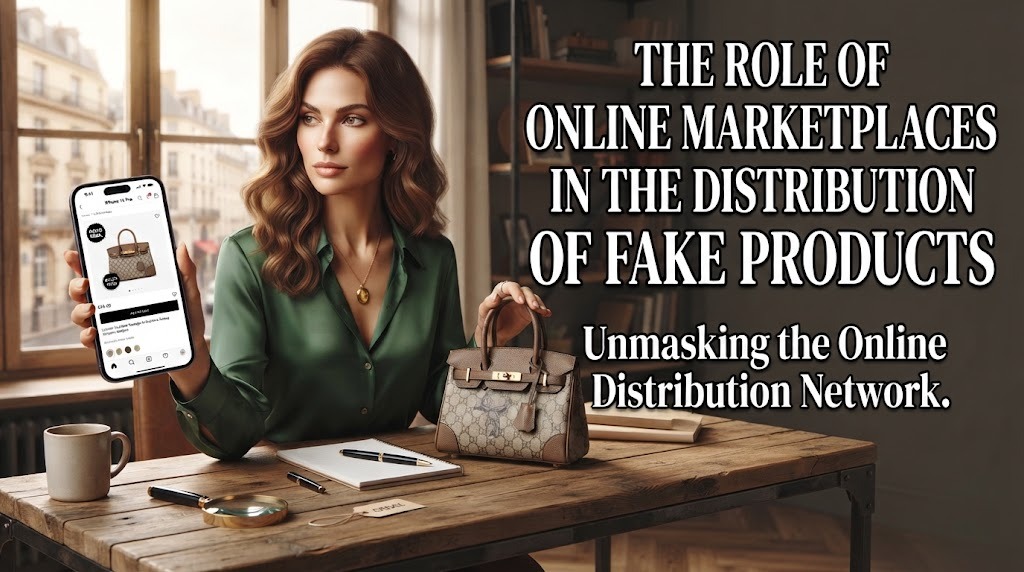
Online marketplaces have transformed the way consumers discover, compare, and purchase products. With only a smartphone or computer, buyers can access sellers from many different locations. This convenience has also created opportunities for fake products and counterfeit goods to reach consumers more easily. Sellers can use online listings, advertisements, social media promotions, and delivery services to distribute products on a much larger scale. Understanding the role of online marketplaces in the distribution of fake products is important for consumers, businesses, and digital platforms.
ONLINE MARKETPLACES MAKE PRODUCTS EASIER TO REACH
One major reason counterfeit products can spread through online marketplaces is the large number of potential customers available on these platforms. A seller does not need a physical store in every city to reach buyers from different regions. Product listings can remain visible for long periods and can be viewed by thousands of potential customers. This makes digital marketplaces an efficient distribution channel for both legitimate and counterfeit sellers.
The convenience of online shopping can also reduce the opportunity for consumers to physically inspect products. Buyers often make decisions based on photographs, descriptions, ratings, and prices. The lack of physical inspection can make counterfeit products harder to recognize before purchase. As a result, consumers need to pay greater attention to seller information and product details.
ANONYMOUS OR UNCLEAR SELLERS CAN CREATE RISKS
Online marketplaces may contain large numbers of sellers with different levels of reliability. Some sellers provide clear business information, while others may provide limited or unclear information about their identity and product sources. This can make it difficult for consumers to determine where a product actually comes from. Counterfeit sellers may take advantage of this uncertainty by presenting themselves as legitimate retailers.
Seller accounts can also change names, listings, or product information over time. In some cases, a seller may disappear after receiving complaints or being removed from a platform. Unclear seller identities can make accountability more difficult when consumers receive counterfeit products. Buyers should therefore examine seller history, ratings, reviews, and available business information before making a purchase.
LOW PRICES CAN INCREASE COUNTERFEIT DEMAND
Price is one of the strongest factors that attracts consumers to online listings. Counterfeit sellers may offer imitation products at prices significantly below the usual market price of genuine products. These offers can attract buyers who are looking for affordable alternatives. The ability to compare many prices quickly can make extremely cheap products appear especially attractive.
However, a low price does not automatically mean that a product is counterfeit. Genuine products can also be discounted because of promotions, clearance sales, older models, or authorized campaigns. Consumers should investigate unusually low prices instead of assuming they are simply good bargains. Comparing the same product across trusted sellers can help identify suspicious differences.
ONLINE ADVERTISING CAN ATTRACT MORE BUYERS
Online advertising allows sellers to promote products to large groups of consumers. Sponsored listings, social media advertisements, and promotional campaigns can make products more visible than ordinary search results. Counterfeit sellers may use discount messages, urgency claims, and attractive product descriptions to encourage quick purchases.
Consumers should be cautious when advertisements make unusually strong claims or offer extremely large discounts. Clicking on promotional content does not guarantee that the seller or product is legitimate. Buyers should independently verify important product information before making a purchase. This is particularly important when advertisements direct consumers to unfamiliar stores or external websites.
MARKETPLACES HAVE A RESPONSIBILITY TO CONTROL COUNTERFEITS
Online marketplaces play an important role in reducing counterfeit activity because they control many aspects of the digital selling environment. Platforms can introduce seller verification, listing reviews, automated detection, reporting tools, and intellectual property complaint systems. These measures can help identify suspicious listings and remove products that violate platform rules or applicable laws.
Effective enforcement requires continuous monitoring because counterfeit sellers can create new accounts or change listings. Platforms can also work with brands and authorities to improve product identification and enforcement processes. Strong marketplace policies can make it more difficult for counterfeit sellers to operate openly. However, consumers and rights holders also have an important role in reporting suspected violations.
CONSUMERS CAN HELP REDUCE COUNTERFEIT DISTRIBUTION
Consumers are not powerless when shopping online. Buyers can help reduce counterfeit distribution by choosing official stores and authorized sellers whenever possible. They can also report suspicious listings, misleading descriptions, or products that appear to violate brand rights. These reports can provide useful information for marketplace investigations.
Before purchasing, consumers should compare prices, examine product details, read reviews carefully, and check return and warranty policies. They should also keep receipts and transaction records for important purchases. Responsible purchasing behavior can reduce demand for counterfeit goods and encourage legitimate businesses to compete fairly.
CONCLUSION
The role of online marketplaces in the distribution of fake products is complex. These platforms provide convenient access to legitimate goods, but their large customer base, digital advertising tools, seller networks, and cross-border logistics can also be exploited by counterfeit sellers. Low prices, copied images, unclear seller identities, and misleading listings can make fake products difficult to identify.
Reducing counterfeit distribution requires cooperation between marketplaces, consumers, brands, and authorities. Platforms can strengthen seller verification, monitoring, reporting, and enforcement systems, while consumers can make more careful purchasing decisions. Checking sellers, comparing prices, verifying product information, and choosing authorized sources are practical ways to reduce the risk of counterfeit purchases. A safer digital marketplace benefits both consumers and legitimate businesses.
Tentang Penulis
Gusti Ayu Tita P
Penulis — Universitas STEKOM
Penulis aktif yang berfokus pada isu-isu akademik, teknologi pendidikan, dan pengembangan sumber daya manusia di lingkungan kampus.