The Role Of Social Assistance In Helping Communities Face Economic Challenges
Gusti Ayu Tita P
1 September 2026
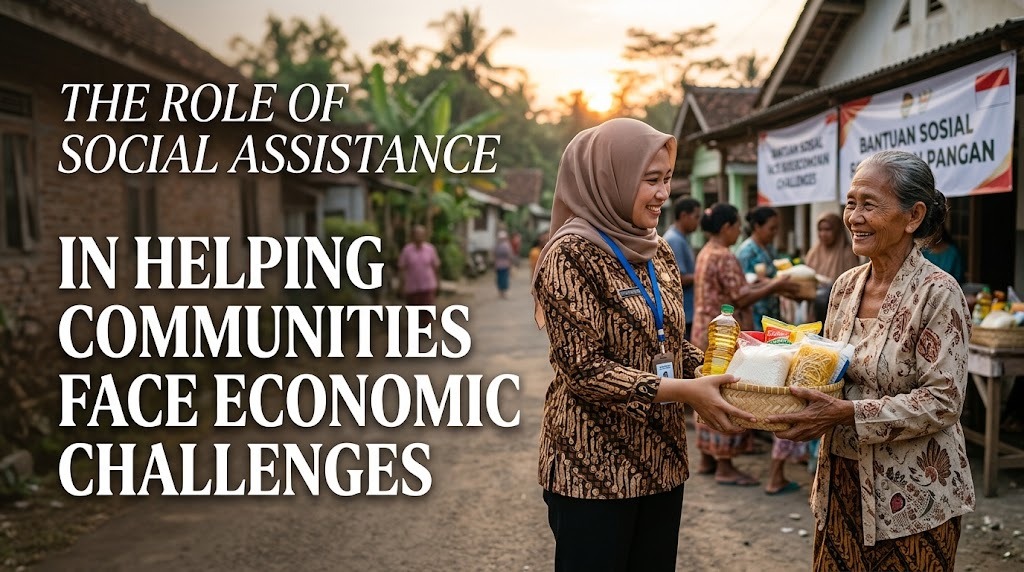
Social Assistance plays an important role in supporting individuals and families who face economic difficulties. Government assistance programs can help eligible households manage essential expenses during challenging periods. The form of support may vary depending on the program, such as financial assistance, food support, or other social protection measures. The main purpose is to provide support according to established eligibility requirements. This assistance can become an important part of broader social protection efforts.
Economic challenges can affect families differently. Community Support can help reduce some of the pressure experienced by households with limited resources. However, social assistance should not be viewed as a complete solution to every financial problem. Long-term improvements also require access to employment, education, skills, and economic opportunities. Combining short-term support with longer-term development can create stronger results.
HELPING FAMILIES MEET BASIC NEEDS
One important function of assistance is helping eligible families manage Basic Needs. Economic difficulties can make it harder for households to afford food, education-related expenses, healthcare needs, housing costs, or other necessities. Appropriate social assistance can provide temporary support when household resources are limited. This can help families maintain essential consumption during difficult periods. The exact use of assistance should follow the rules of the relevant program.
Meeting basic needs can also provide families with greater stability. Household Stability may help parents focus on employment, children's education, and other important responsibilities. Without sufficient resources, families may be forced to make difficult choices between essential expenses. Social assistance can help reduce some of this immediate pressure. However, assistance should be managed responsibly and used according to applicable requirements.
REDUCING ECONOMIC PRESSURE
Economic uncertainty can create significant financial pressure for households. Financial Relief from eligible assistance programs can help families manage some essential expenses when income is insufficient. This support may be particularly useful during periods of rising living costs or reduced household income. By easing immediate financial pressure, assistance can help prevent vulnerable families from falling deeper into economic hardship. The effectiveness of support depends on proper targeting and distribution.
Social assistance can also provide a degree of financial protection during unexpected circumstances. Economic Protection is especially important for households with limited savings or unstable income. However, assistance programs generally work best as part of a broader social protection system. Employment opportunities, affordable public services, and skills development can complement short-term support. Together, these measures can strengthen household resilience.
SUPPORTING CHILDREN AND EDUCATION
Economic difficulties can affect children's access to education and other development opportunities. Appropriate Education Support can help eligible families manage costs related to children's schooling, depending on the program. Keeping children engaged in education can contribute to better opportunities in the future. Assistance can therefore have effects that extend beyond immediate household needs. However, families should follow the specific requirements of each program.
Education can strengthen a community's long-term economic potential. Youth Development helps younger generations develop knowledge and skills that may improve their future employment opportunities. When families receive appropriate support, children may have a better chance of continuing their education during difficult financial periods. This can contribute to stronger human capital over time. Social assistance is therefore not only about immediate consumption but can also support future development when properly designed.
ENCOURAGING COMMUNITY ECONOMIC RESILIENCE
Communities become more resilient when households have the resources and opportunities to respond to economic difficulties. Economic Resilience refers to the ability of individuals and communities to withstand challenges and recover over time. Social assistance can provide temporary protection while households work toward greater financial stability. When combined with skills training and employment opportunities, support can contribute to stronger economic participation. This approach can help communities become less vulnerable to future shocks.
Local communities can also benefit when assistance supports productive activities where permitted by the program. Community Resilience can grow when people have access to skills, markets, employment, and appropriate financial resources. Local economic activity may become stronger when households are able to maintain essential spending. However, assistance should not replace sustainable income opportunities. Long-term resilience requires broader economic participation and community development.
PROMOTING LONG TERM INDEPENDENCE
The long-term goal of social protection should include helping people move toward greater Economic Independence when circumstances allow. Social assistance can provide short-term support, but sustainable income often depends on employment, entrepreneurship, education, and useful skills. Programs that combine assistance with economic empowerment can potentially provide broader benefits. Recipients should take advantage of legitimate training or employment opportunities available to them. These opportunities can complement temporary financial support.
Financial Independence does not happen immediately and may require gradual progress. Families can begin by managing assistance responsibly, developing useful skills, and exploring appropriate income opportunities. Communities can also contribute by creating supportive networks and sharing access to legitimate opportunities. Government programs, private organizations, and local communities can work together to strengthen economic participation. Such cooperation can make social protection more sustainable.
CONCLUSION
Social assistance can play an important role in helping vulnerable communities face economic challenges. It can support Basic Needs, reduce immediate financial pressure, and provide greater household stability. When combined with education, skills development, employment opportunities, and community programs, assistance can contribute to stronger economic resilience.
However, social assistance should not be considered the only solution to poverty or financial hardship. Economic Independence requires sustainable opportunities and long-term support. Effective social protection works best when short-term assistance is connected with broader efforts to improve skills, employment, education, and community economic participation.
Tentang Penulis
Gusti Ayu Tita P
Penulis — Universitas STEKOM
Penulis aktif yang berfokus pada isu-isu akademik, teknologi pendidikan, dan pengembangan sumber daya manusia di lingkungan kampus.