The Role of Technology in Education
Gusti Ayu Tita P
15 Juli 2026
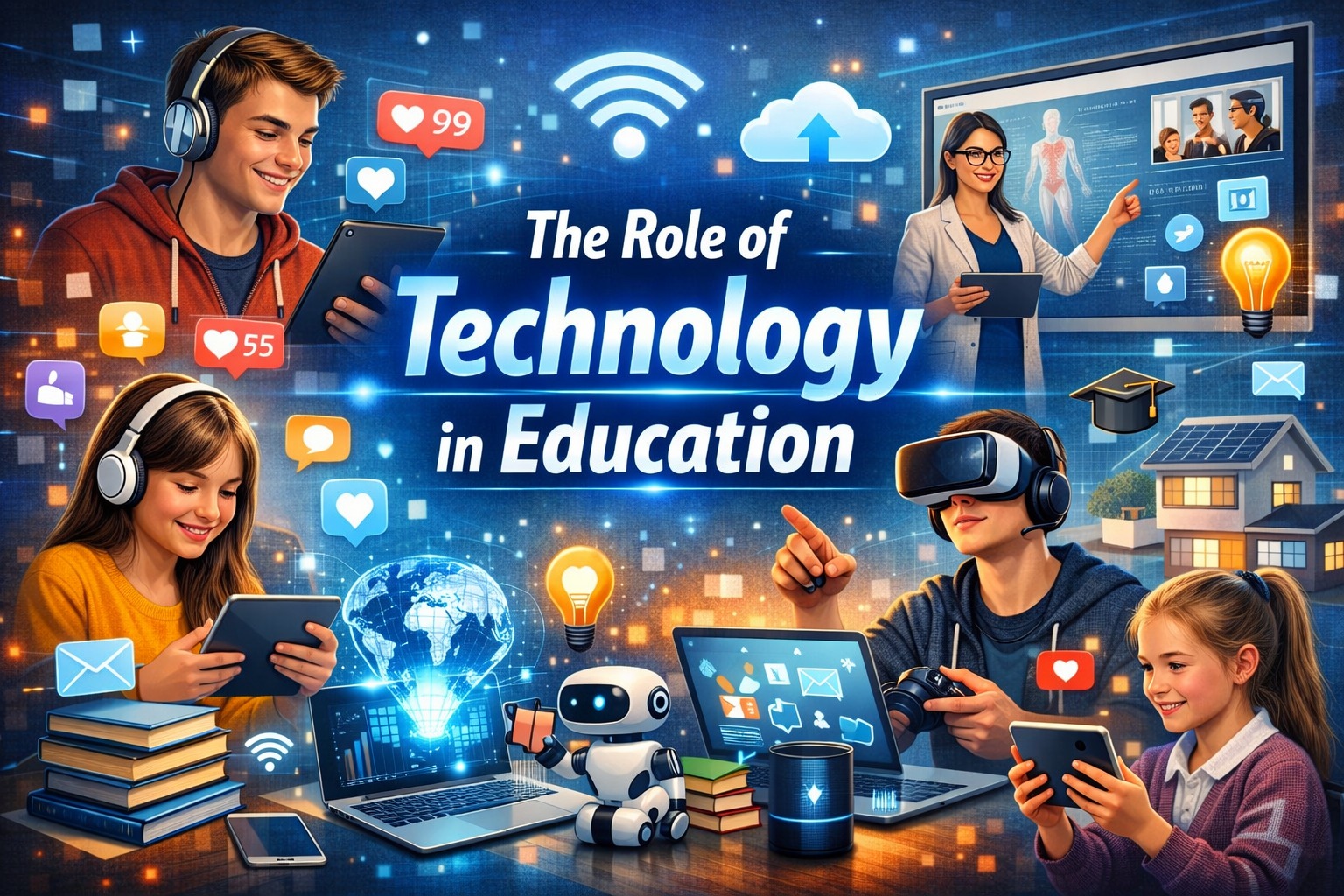
Technology has transformed almost every aspect of modern life, and education is no exception. From virtual classrooms to interactive learning apps, digital tools have reshaped how students learn and how teachers teach. Today, technology is no longer just a supplement in education—it is becoming a core part of the learning experience
This evolution became especially visible during global disruptions such as pandemics, where remote learning ensured that education could continue despite physical limitations. As a result, schools and universities worldwide accelerated their adoption of digital tools.
BENEFITS OF TECHNOLOGY IN THE CLASSROOM
Technology offers numerous advantages that enhance both teaching and learning experiences.
**1. Increased Access to Information**
Students can instantly access vast educational resources online. Research, tutorials, and digital libraries provide deeper insights beyond traditional textbooks.
**2. Personalized Learning**
Adaptive learning systems can tailor lessons based on individual student performance. This allows learners to move at their own pace and focus on areas where they need improvement.
**3. Improved Engagement**
Interactive videos, simulations, and gamified learning platforms make lessons more engaging. When students enjoy the learning process, they are more likely to stay motivated and retain information.
**4. Collaboration Opportunities**
Digital tools enable students to collaborate across different locations. Group projects can now involve participants from different cities or even countries.
THE ROLE OF TEACHERS IN A TECHNOLOGY-DRIVEN ERA
Despite rapid technological advancement, teachers remain central to education. Technology supports teachers rather than replaces them. Educators now act as facilitators, guiding students in navigating digital resources and developing critical thinking skills.
Teachers also play a crucial role in helping students evaluate online information, ensuring they learn how to distinguish credible sources from unreliable ones.
CHALLENGES AND LIMITATIONS
While technology brings many benefits, it also presents challenges that must be addressed.
**Digital Divide**
Not all students have equal access to devices or stable internet connections. This gap can create inequality in learning opportunities.
**Screen Time Concerns**
Excessive screen exposure may affect students’ health and focus. Balanced use of technology is essential to maintain well-being.
**Cybersecurity and Privacy**
Schools must protect student data and ensure safe online environments.
Addressing these issues requires cooperation between governments, educators, and technology providers.
FUTURE TRENDS IN EDUCATIONAL TECHNOLOGY
The future of education will likely include even more advanced innovations, such as artificial intelligence, virtual reality, and augmented reality. These tools can create immersive learning experiences that were once impossible.
For example, students might explore historical events through virtual simulations or conduct complex science experiments in digital laboratories. As technology continues to evolve, education will become more accessible, inclusive, and engaging.
CONCLUSION
Technology has become a powerful force in shaping the future of education. By enhancing access, personalization, and collaboration, digital tools are transforming the learning experience. However, the success of technology in education depends on thoughtful implementation and equal access for all students. With the right balance, technology can help create a more effective and inclusive education system for generations to come.
Tentang Penulis
Gusti Ayu Tita P
Penulis — Universitas STEKOM
Penulis aktif yang berfokus pada isu-isu akademik, teknologi pendidikan, dan pengembangan sumber daya manusia di lingkungan kampus.