The Role Of Technology In Improving Modern Homecoming Traffic Management
Gusti Ayu Tita P
10 Agustus 2026
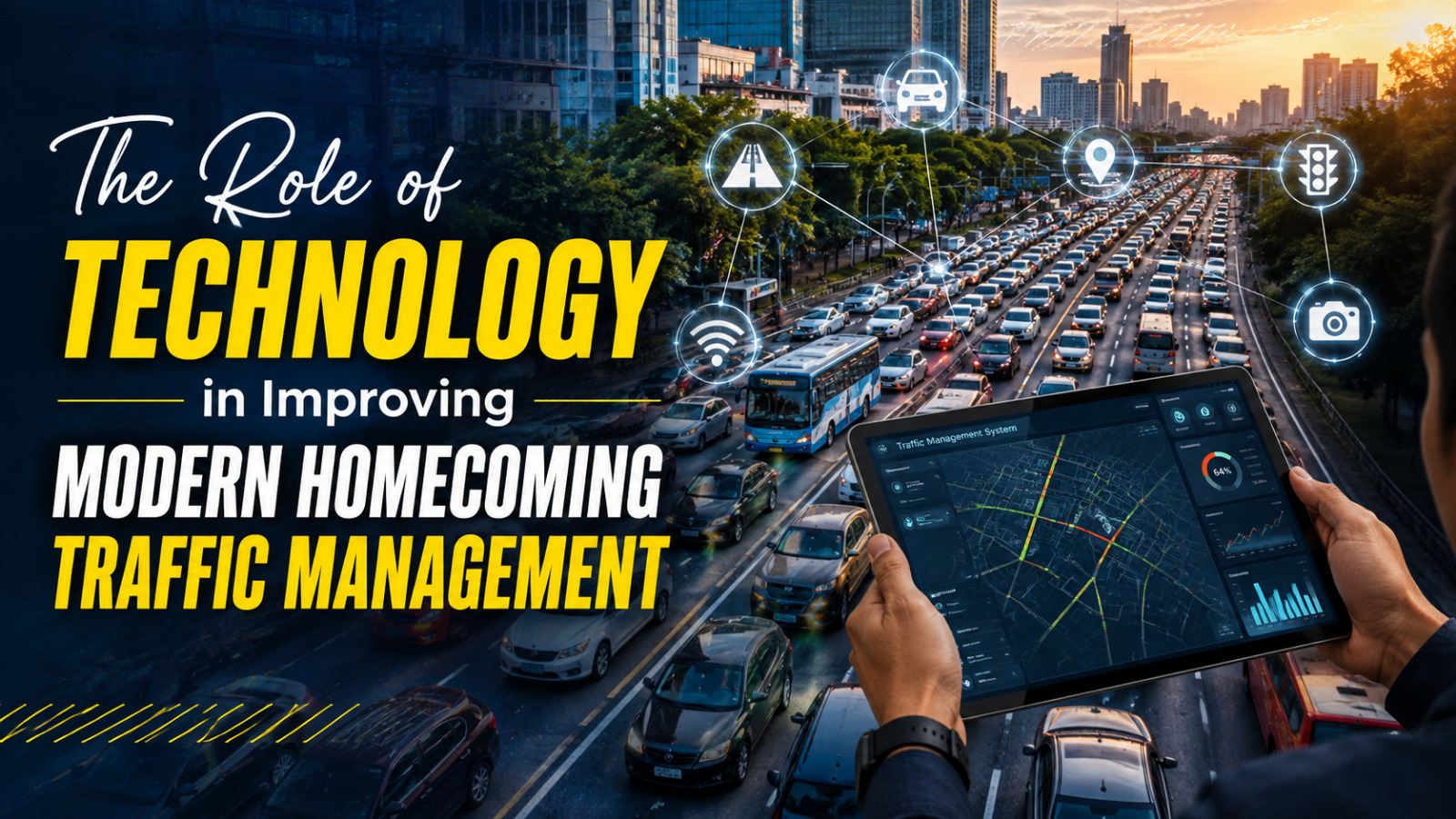
Traffic Technology has become an important part of modern transportation management during the homecoming season. Large numbers of travelers can create congestion, delays, accidents, and pressure on transportation infrastructure. Traditional traffic management methods may not always be enough to respond to rapidly changing conditions. Digital systems can provide information more quickly and help authorities make better operational decisions. Technology can also help travelers understand road conditions before and during their journeys.
The main benefit of technology is its ability to collect, process, and share information efficiently. Traffic cameras, navigation platforms, sensors, communication systems, and digital transportation services can work together to provide a clearer picture of traffic conditions. This information can support both authorities and travelers. When used properly, technology can make homecoming transportation safer and more organized.
REAL TIME TRAFFIC MONITORING
Real Time traffic monitoring allows transportation authorities to observe changing road conditions more quickly. Cameras and other monitoring systems can help identify congestion, accidents, road closures, and unusual traffic patterns. This information can be analyzed to determine where problems are developing. Authorities can then respond more quickly to significant disruptions.
Real-time monitoring is especially useful during periods of heavy homecoming traffic. Traffic conditions can change within minutes because of accidents, weather, or sudden increases in vehicle volume. Continuous monitoring provides more current information than relying only on fixed travel schedules. Faster awareness can support better Traffic Management decisions.
DIGITAL NAVIGATION FOR TRAVELERS
Digital Navigation applications have changed the way travelers plan their journeys. These applications can provide route information, estimated travel times, congestion alerts, and alternative route suggestions. Travelers can use this information to make decisions before starting their trips. Navigation tools can be particularly useful when familiar routes become unexpectedly crowded.
However, navigation applications should not be treated as perfect sources of information. Traffic conditions can change faster than digital systems can update. Drivers should compare navigation information with official announcements when possible. They should also avoid using mobile phones while driving because safety remains the priority.
TRAFFIC DATA AND DECISION MAKING
Modern transportation systems can collect large amounts of Traffic Data from cameras, sensors, navigation services, and other sources. This data can help authorities identify patterns in traffic movement. For example, officials can analyze where congestion frequently develops and determine which roads require additional attention.
Data can also support better planning before the homecoming season begins. Authorities can use previous traffic patterns and current information to prepare operational strategies. However, data must be interpreted carefully because traffic conditions can vary from one period to another. Good decisions require accurate information combined with professional judgment.
SMART TRAFFIC MANAGEMENT SYSTEMS
Smart Transportation systems use digital technology to improve the management of vehicles and transportation infrastructure. These systems can help authorities monitor traffic, communicate information, and coordinate responses to road problems. They may also support more efficient use of available road capacity.
Smart systems are especially useful when many transportation routes are connected. Information from one location can help authorities understand how congestion may affect other areas. This can support coordinated traffic control instead of isolated decisions. Effective technology can therefore improve the overall efficiency of the transportation network.
DIGITAL INFORMATION FOR TRAVELERS
Technology also allows transportation authorities to communicate important information directly to travelers. Digital platforms can provide updates about congestion, road conditions, transportation schedules, and temporary traffic arrangements. Travelers can access this information before leaving or during planned stops.
Clear information can reduce confusion during major travel periods. When travelers understand current conditions, they can make more informed choices about routes and departure times. Information should be accurate, simple, and updated regularly. Effective communication is an important part of modern Traffic Management.
TECHNOLOGY FOR PUBLIC TRANSPORTATION
Technology can improve public transportation during the homecoming season as well. Digital ticketing systems can make booking more convenient and reduce the need for physical queues. Passenger information systems can provide schedule updates and service notifications. Transportation operators can also use digital systems to monitor vehicle movements and operational performance.
These improvements can help public transportation serve more passengers efficiently. Better information can also make travelers more confident about choosing buses, trains, ships, or other public services. Increased use of reliable public transportation can reduce the number of private vehicles on major roads. Technology therefore supports both passenger convenience and broader traffic management goals.
EMERGENCY RESPONSE AND INCIDENT MANAGEMENT
Technology can improve the response to traffic accidents and other emergencies. Monitoring systems can help authorities identify incidents more quickly. Communication networks can then support coordination between traffic officers, emergency services, road operators, and recovery teams.
Rapid response is important because incidents can create secondary congestion. Removing a damaged vehicle or managing an accident efficiently can help restore normal traffic flow. Technology does not eliminate accidents, but it can help reduce their impact. Emergency Response becomes more effective when reliable information is available quickly.
CHALLENGES OF USING TRAFFIC TECHNOLOGY
Despite its benefits, technology also has limitations. Digital systems require reliable infrastructure, accurate data, regular maintenance, and trained personnel. Technical problems or communication failures can reduce the effectiveness of a system. Incorrect or delayed information can also lead travelers to make poor decisions.
Privacy and data security are additional considerations when transportation systems collect large amounts of information. Authorities and technology providers need appropriate safeguards when handling data. Technology should support public safety and transportation efficiency without creating unnecessary risks. Responsible implementation is essential for long-term success.
THE FUTURE OF HOMECOMING TRAFFIC MANAGEMENT
Future Traffic Technology may provide even more advanced tools for managing large-scale travel. Artificial intelligence, connected vehicles, improved sensors, and predictive systems could help identify congestion before it becomes severe. These technologies may allow transportation authorities to respond more proactively.
However, technology should complement rather than replace human judgment. Transportation professionals are still needed to interpret information, manage emergencies, and communicate with the public. Successful modernization requires cooperation between government agencies, transportation operators, technology providers, and travelers. The best results come from combining technology with responsible human decision-making.
CONCLUSION
Technology plays an increasingly important role in improving modern Traffic Management during the homecoming season. Real Time monitoring, Digital Navigation, traffic data, smart transportation systems, and digital communication can help authorities and travelers respond to changing conditions more effectively.
Technology cannot completely eliminate congestion or transportation problems. However, it can improve information, coordination, emergency response, and travel planning. With responsible implementation and strong cooperation, Traffic Technology can contribute to a safer, more efficient, and more organized homecoming transportation system.
Tentang Penulis
Gusti Ayu Tita P
Penulis — Universitas STEKOM
Penulis aktif yang berfokus pada isu-isu akademik, teknologi pendidikan, dan pengembangan sumber daya manusia di lingkungan kampus.