The Role of Technology in Supporting Hybrid Education
Gusti Ayu Tita P
18 Juni 2026
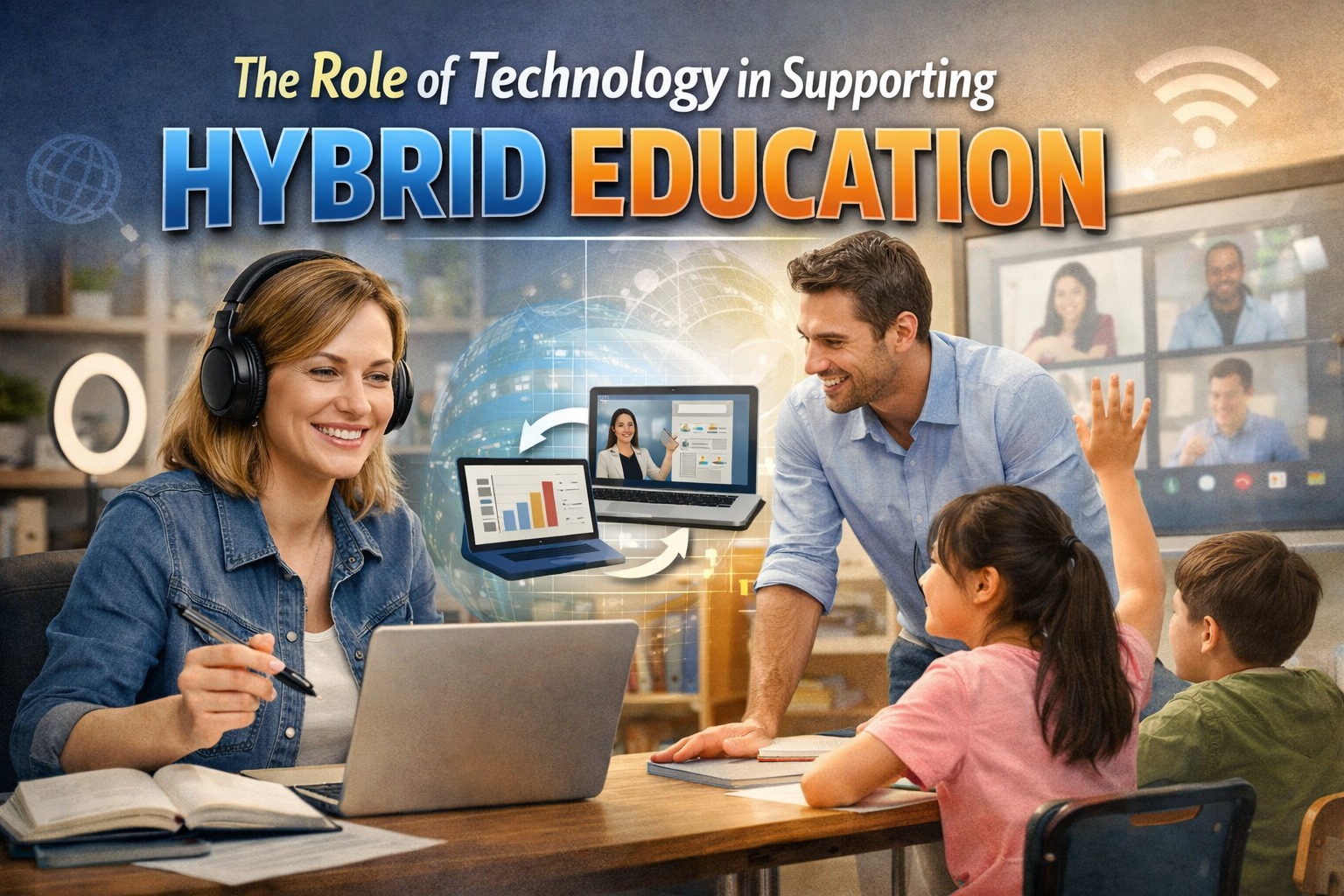
Hybrid education has become one of the most effective learning models in the modern era. By combining face-to-face and online learning, this system provides greater flexibility for students and educators. The success of hybrid education largely depends on how technology is integrated into the learning process. Various digital tools and platforms help ensure that learning remains interactive, accessible, and efficient regardless of location. As educational institutions continue to adopt this model, technology plays an increasingly important role in creating a seamless learning experience.
TECHNOLOGY AS THE FOUNDATION OF HYBRID LEARNING
Technology serves as the backbone of hybrid education by connecting students and teachers across different learning environments. Learning Management Systems (LMS), video conferencing platforms, and cloud-based applications allow educational activities to continue smoothly both online and offline. These tools make it easier to distribute learning materials, submit assignments, and conduct assessments.
In addition, technology helps maintain consistency in the learning process. Students who cannot attend classes in person can still access lectures, recorded sessions, and educational resources through digital platforms. This ensures that all learners receive equal opportunities to participate and succeed in their studies.
IMPROVING COMMUNICATION AND COLLABORATION
One of the biggest advantages of technology in hybrid education is its ability to enhance communication. Through video meetings, instant messaging, and discussion forums, students can interact with teachers and classmates regardless of their physical location. This continuous communication helps reduce learning barriers and encourages active participation.
Collaboration also becomes more effective with digital tools. Shared documents, virtual workspaces, and collaborative applications allow students to work on group projects in real time. These technologies support teamwork skills while ensuring that learning remains engaging and productive.
ENHANCING ACCESS TO LEARNING RESOURCES
Technology provides students with access to a vast range of educational materials. Online libraries, e-books, digital journals, and educational websites allow learners to explore topics beyond traditional textbooks. This access encourages independent learning and helps students gain a deeper understanding of subjects.
Furthermore, digital resources can be updated quickly to reflect the latest information. Unlike printed materials, online content can be revised and improved regularly, ensuring that students receive accurate and relevant knowledge. This makes hybrid education more dynamic and adaptable to changing educational needs.
SUPPORTING PERSONALIZED LEARNING EXPERIENCES
Every student has different learning styles and academic needs. Technology supports personalized learning by allowing students to learn at their own pace. Recorded lectures, interactive modules, and adaptive learning platforms enable learners to revisit lessons whenever necessary.
Teachers can also use data analytics to monitor student progress and identify areas where additional support is needed. By analyzing performance data, educators can provide targeted guidance and create more effective learning strategies. This personalized approach helps improve academic outcomes and student engagement.
INCREASING ENGAGEMENT THROUGH INTERACTIVE TOOLS
Interactive technologies make learning more enjoyable and effective. Features such as quizzes, polls, simulations, and gamified activities encourage students to participate actively in lessons. These tools help maintain attention and improve knowledge retention.
In hybrid classrooms, interactive technology bridges the gap between online and in-person learners. Students can contribute equally through digital participation tools, ensuring that everyone feels involved in classroom activities. As a result, the learning experience becomes more inclusive and engaging.
CHALLENGES AND FUTURE OPPORTUNITIES
Despite its many benefits, technology in hybrid education also presents challenges. Reliable internet access, device availability, and digital literacy remain important concerns in many regions. Educational institutions must address these issues to ensure equal learning opportunities for all students.
Looking ahead, emerging technologies such as artificial intelligence, virtual reality, and augmented reality are expected to further enhance hybrid learning. These innovations have the potential to create more immersive and personalized educational experiences. As technology continues to evolve, hybrid education will likely become even more effective and accessible worldwide.
CONCLUSION
Technology plays a crucial role in supporting hybrid education by improving communication, collaboration, accessibility, and engagement. It enables educators to deliver flexible learning experiences while helping students access resources and learn more effectively. Although challenges still exist, ongoing technological advancements continue to strengthen the potential of hybrid learning. By embracing innovative digital solutions, educational institutions can create a more inclusive, efficient, and future-ready learning environment.
Tentang Penulis
Gusti Ayu Tita P
Penulis — Universitas STEKOM
Penulis aktif yang berfokus pada isu-isu akademik, teknologi pendidikan, dan pengembangan sumber daya manusia di lingkungan kampus.