The Role Of Yoga In Improving Sleep Quality And Relaxation
Gusti Ayu Tita P
1 September 2026
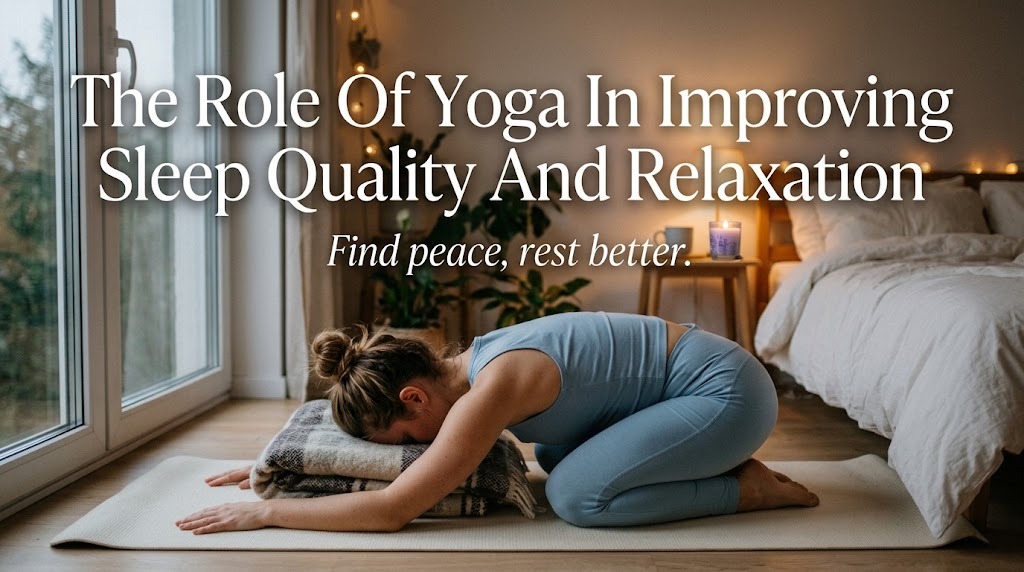
Sleep plays an important role in maintaining physical and mental well-being. However, busy schedules, daily stress, and excessive screen use can make it difficult for some people to get enough quality sleep. One activity that may support better rest is yoga. Through gentle movement, breathing exercises, and relaxation techniques, yoga can help prepare the body and mind for a calmer bedtime routine.
Practicing yoga does not guarantee that everyone will sleep better, but research suggests that regular yoga practice may support sleep quality and relaxation. The effects can vary depending on the type of yoga, practice frequency, and individual condition. Therefore, yoga is best viewed as one part of a healthy sleep routine rather than a replacement for professional treatment when sleep problems persist.
HOW YOGA CAN SUPPORT BETTER SLEEP
Yoga combines physical movement with controlled breathing and focused attention. These elements can help create a transition from an active state to a more relaxed state. Gentle yoga before bedtime may reduce physical tension and encourage a calmer mindset. Relaxation and reduced tension can make it easier to prepare for sleep.
Regular practice may also help people develop a consistent evening routine. Performing the same calming activities before bed can signal that it is time to slow down. However, more intense yoga sessions may feel stimulating for some people when performed immediately before sleeping. Choosing gentle movements is generally more appropriate for a relaxing bedtime routine.
THE CONNECTION BETWEEN YOGA AND RELAXATION
Relaxation is one of the main reasons people include yoga in their daily routines. Slow movements encourage practitioners to pay attention to their body and breathing. This can help shift attention away from everyday distractions. Mindful breathing and gentle movement can create a more peaceful experience.
Yoga may also encourage greater awareness of physical tension. People often hold tension in areas such as the shoulders, neck, hips, or back after spending many hours sitting or working. Gentle stretching can help release some of that tension when performed comfortably. A relaxed body can contribute to a more comfortable transition toward bedtime.
BREATHING EXERCISES FOR A CALMER MIND
Breathing is an important component of many yoga practices. Slow and comfortable breathing can help practitioners focus their attention on the present moment. Instead of constantly thinking about unfinished tasks, a person can concentrate on the rhythm of each breath. Breath awareness can therefore become a simple relaxation technique.
Beginners do not need complicated breathing methods. Sitting or lying comfortably while taking slow, natural breaths may be enough to begin. Breathing should never be forced or held for an uncomfortable period. If a technique causes dizziness or discomfort, return to normal breathing and stop the exercise.
GENTLE YOGA POSES BEFORE BEDTIME
Some gentle yoga poses can be incorporated into an evening relaxation routine. Child’s Pose, gentle seated stretches, and comfortable lying positions may help reduce physical tension. These movements should be performed slowly without forcing the body. The goal is relaxation rather than achieving maximum flexibility.
A bedtime yoga routine can also include gentle spinal movements and relaxed hip stretches. Each position can be held comfortably while maintaining steady breathing. People should avoid movements that cause sharp pain or unusual discomfort. Comfort should always be prioritized during evening practice.
YOGA AND STRESS MANAGEMENT
Daily stress can make it harder to relax at night. Yoga may support stress management by combining movement, breathing, and mindful attention. Regular practice can provide dedicated time to slow down and focus on the body. Stress management is important because a calmer evening routine may make the transition to sleep easier.
Yoga should not be considered a complete solution for severe or persistent stress. However, it can become one healthy strategy alongside adequate rest, regular physical activity, social support, and other appropriate coping methods. Creating a consistent routine may also make relaxation easier to maintain. The benefits are more likely to appear when the practice is realistic and sustainable.
HOW OFTEN SHOULD YOU PRACTICE YOGA
There is no single schedule that works for everyone. Some people may prefer a short yoga session several times a week, while others may practice gentle movements every evening. Regularity is more important than long sessions when building a sustainable habit. Beginners can start with short sessions and gradually adjust their routine.
It is also useful to observe how your body responds. If you feel refreshed and relaxed after a session, the routine may be suitable for you. If you feel overly stimulated or physically tired close to bedtime, reduce the intensity or practice earlier in the day. Finding the right timing is part of creating an effective sleep routine.
OTHER HABITS THAT SUPPORT QUALITY SLEEP
Yoga works best when combined with other healthy sleep habits. Going to bed and waking up at consistent times can help establish a regular sleep schedule. Limiting caffeine late in the day and reducing excessive screen exposure before bedtime may also support better sleep habits. A comfortable and consistent sleep environment can further encourage relaxation.
The bedroom should ideally be quiet, comfortable, and suitable for sleeping. Avoid treating yoga as the only solution when sleep difficulties continue for a long time. Persistent problems such as frequent difficulty falling asleep, repeated nighttime waking, or significant daytime sleepiness may require professional evaluation. Healthy habits and appropriate medical guidance can work together.
TIPS FOR USING YOGA AS A BEDTIME ROUTINE
Start with a simple routine that feels comfortable and easy to repeat. Choose gentle movements instead of demanding poses, especially if the main goal is relaxation. Keep the practice short enough that it does not feel like another responsibility. A simple routine is often easier to maintain than a complicated one.
Practice in a quiet and comfortable place with enough space to move safely. Focus on slow breathing and avoid comparing your flexibility with other people. If your body feels uncomfortable, modify the movement or stop. Over time, a consistent bedtime yoga routine may become a calming signal that helps you prepare for rest.
CONCLUSION
The role of yoga in improving sleep quality and relaxation is closely connected to its combination of gentle movement, breathing, and mindful attention. These elements can help reduce physical tension and create a calmer transition toward bedtime. Yoga may also support stress management and encourage a consistent evening routine. However, its effects can differ from person to person.
For the best experience, choose gentle yoga, practice consistently, and listen to your body's limits. Combine yoga with good sleep habits such as maintaining a regular schedule, creating a comfortable sleeping environment, and allowing enough time for rest. If sleep problems persist or significantly affect daily life, seeking professional advice is important. Yoga can be a useful part of a healthy lifestyle, but it should complement rather than replace appropriate care.
Tentang Penulis
Gusti Ayu Tita P
Penulis — Universitas STEKOM
Penulis aktif yang berfokus pada isu-isu akademik, teknologi pendidikan, dan pengembangan sumber daya manusia di lingkungan kampus.