
The Synergy of Emotional and Intellectual Intelligence in Developing High Achieving Students
Gusti Ayu Tita P
1 April 2026
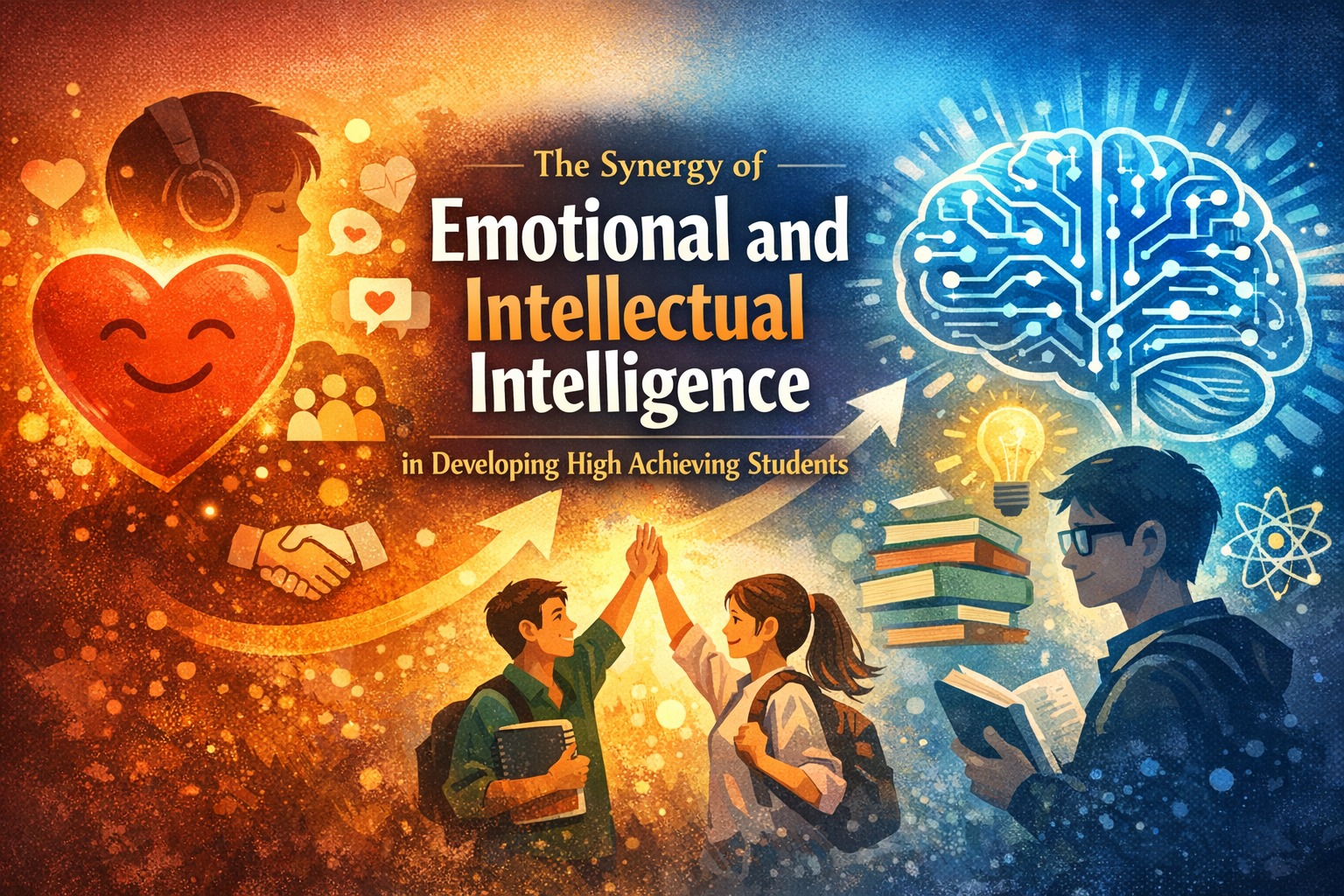
In today’s competitive academic environment, high-achieving students are not defined solely by their intellectual abilities. Emotional intelligence plays an equally critical role in shaping how students manage challenges, interact with others, and sustain motivation. The synergy between emotional and intellectual intelligence creates a powerful foundation for achieving consistent and meaningful academic success. This article explores how these two dimensions work together to develop well-rounded, high-performing students.
UNDERSTANDING INTELLECTUAL AND EMOTIONAL INTELLIGENCE
Intellectual intelligence refers to cognitive abilities such as reasoning, problem-solving, and analytical thinking. It enables students to grasp complex concepts and excel in academic tasks. Emotional intelligence, on the other hand, involves the ability to recognize, understand, and manage emotions—both one’s own and others’. Students who develop both forms of intelligence can approach learning with clarity while maintaining emotional stability.
THE INTERDEPENDENCE OF COGNITION AND EMOTION
Cognitive and emotional processes are deeply interconnected. Emotions influence attention, memory, and decision-making, all of which are essential for effective learning. Positive emotional states can enhance focus and creativity, while unmanaged stress can impair academic performance. Students who understand this relationship can regulate their emotions to support their intellectual efforts.
ENHANCING LEARNING THROUGH EMOTIONAL AWARENESS
Emotional awareness allows students to identify factors that impact their academic performance. Recognizing feelings such as anxiety, frustration, or lack of motivation helps in addressing them proactively. By developing self-awareness, students can create strategies to maintain focus, stay motivated, and overcome academic obstacles more effectively.
BUILDING STRONG INTERPERSONAL SKILLS
High-achieving students often excel in collaboration and communication. Emotional intelligence enhances interpersonal skills, enabling students to work effectively in teams, resolve conflicts, and build meaningful academic relationships. These skills are increasingly important in modern education, where group projects and collaborative learning are common.
DEVELOPING SELF REGULATION AND DISCIPLINE
Self-regulation is a key component of emotional intelligence that supports academic success. It involves managing impulses, maintaining focus, and staying committed to goals. When combined with intellectual capabilities, self-regulation helps students remain consistent in their efforts and avoid distractions that hinder performance.
FOSTERING LONG TERM ACADEMIC SUCCESS
The integration of emotional and intellectual intelligence contributes to sustainable academic achievement. Students who balance these aspects are more resilient, adaptable, and capable of handling academic pressures. This balanced approach not only improves performance but also prepares students for future professional and personal challenges.
CONCLUSION
The synergy between emotional and intellectual intelligence is essential for developing high-achieving students. By cultivating both cognitive skills and emotional awareness, students can enhance their learning experiences and achieve long-term success. The key lies in recognizing that true academic excellence is a combination of thinking effectively and managing emotions wisely.
Tentang Penulis
Gusti Ayu Tita P
Penulis — Universitas STEKOM
Penulis aktif yang berfokus pada isu-isu akademik, teknologi pendidikan, dan pengembangan sumber daya manusia di lingkungan kampus.















