Time Management Tricks For Completing Scientific Papers Successfully
Gusti Ayu Tita P
16 September 2026
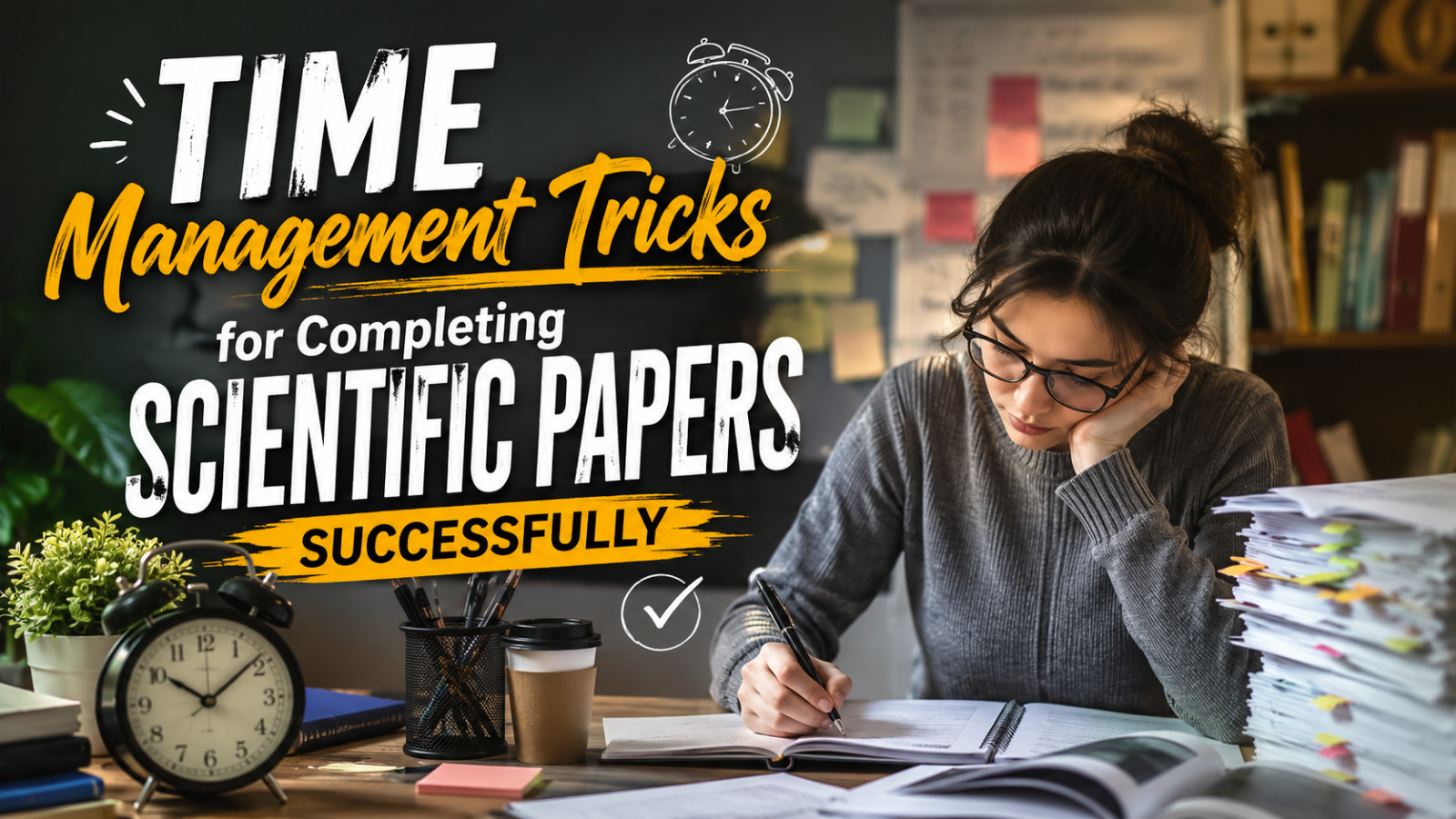
Time Management is one of the most valuable skills for students and researchers who want to complete academic work efficiently. Writing a scientific paper requires planning, consistency, and the ability to manage multiple tasks without missing deadlines. Many people struggle because they postpone important work until the last minute, leading to unnecessary stress and lower-quality results. By applying effective Writing Schedule strategies, every stage of the research process becomes more organized and manageable. Proper time management not only improves productivity but also increases the overall quality of Scientific Writing.
A well-planned approach allows researchers to divide large tasks into smaller and more achievable goals. This method reduces pressure while helping maintain focus throughout the writing process. Developing good habits early also minimizes the risk of delays and incomplete research. With the right strategies, completing a scientific paper becomes more efficient and less overwhelming.
CREATE A REALISTIC WRITING SCHEDULE
The first step toward successful Scientific Writing is creating a realistic Writing Schedule. Instead of trying to finish everything in a few days, divide your project into smaller sections with clear deadlines. Allocate specific time for literature review, data collection, analysis, writing, and editing. This structured approach helps you stay organized and prevents unnecessary last-minute pressure.
A consistent schedule also improves discipline and keeps your progress on track. Review your weekly goals regularly and adjust them when unexpected challenges arise. Using digital calendars or task management applications can help you monitor deadlines effectively. Time Management becomes much easier when every task has its own dedicated timeframe.
SET PRIORITIES FOR IMPORTANT TASKS
Not every task has the same level of importance. Start each day by identifying the activities that contribute most to completing your Research Paper. High-priority tasks such as analyzing data or writing core chapters should always come before less important activities. This method helps ensure steady progress even when your schedule is busy.
Avoid spending excessive time on minor formatting or unnecessary revisions during the early stages. Focus first on completing the main content before refining details. Prioritizing work allows you to use your energy more efficiently and avoid wasting valuable time. Good Productivity Tips always begin with knowing what matters most.
AVOID DISTRACTIONS DURING WRITING
Distractions are among the biggest obstacles to completing academic work on time. Social media notifications, unnecessary meetings, and multitasking can significantly reduce concentration. Create a quiet workspace where you can focus entirely on your research and writing. Turning off notifications during study sessions can greatly improve productivity.
Another effective strategy is working in focused time blocks followed by short breaks. This technique helps maintain concentration without causing mental exhaustion. By reducing distractions, you can complete more work in less time while maintaining better quality. Strong Time Management habits are built by protecting your focus.
BREAK LARGE TASKS INTO SMALL GOALS
Writing an entire scientific paper may seem overwhelming if viewed as one large project. Instead, divide the work into smaller milestones that are easier to complete. For example, finish one section of the literature review before moving to the methodology chapter. Completing small goals creates motivation and makes progress easier to measure.
Each completed milestone builds confidence and reduces stress. You also gain more opportunities to review and improve your work before submission. This strategy supports better Deadline Planning because every stage has a clear objective. Small achievements eventually lead to the successful completion of the entire paper.
REVIEW AND IMPROVE YOUR WORK REGULARLY
Time should always be reserved for reviewing and revising your paper before submission. Editing helps identify grammar mistakes, unclear arguments, and formatting issues that may reduce the quality of your work. Reading your paper several times improves clarity and strengthens the overall structure. Feedback from supervisors or peers can also provide valuable suggestions for improvement.
Avoid leaving the editing process until the final day. Regular reviews make corrections more manageable and reduce unnecessary stress. Careful revision strengthens both the accuracy and professionalism of your Scientific Writing. A well-edited paper reflects strong planning and effective Research Paper preparation.
CONCLUSION
Successfully completing a scientific paper requires more than good writing skills. Effective Time Management, a structured Writing Schedule, realistic Deadline Planning, practical Productivity Tips, and organized Scientific Writing habits all contribute to better academic performance. By setting priorities, avoiding distractions, breaking work into manageable tasks, and reviewing your progress regularly, you can complete your research more efficiently. Applying these strategies consistently will improve both the quality of your paper and your overall academic success.
Tentang Penulis
Gusti Ayu Tita P
Penulis — Universitas STEKOM
Penulis aktif yang berfokus pada isu-isu akademik, teknologi pendidikan, dan pengembangan sumber daya manusia di lingkungan kampus.