Tips For Becoming A Professional And Integrity Driven Mayor
Gusti Ayu Tita P
12 Agustus 2026
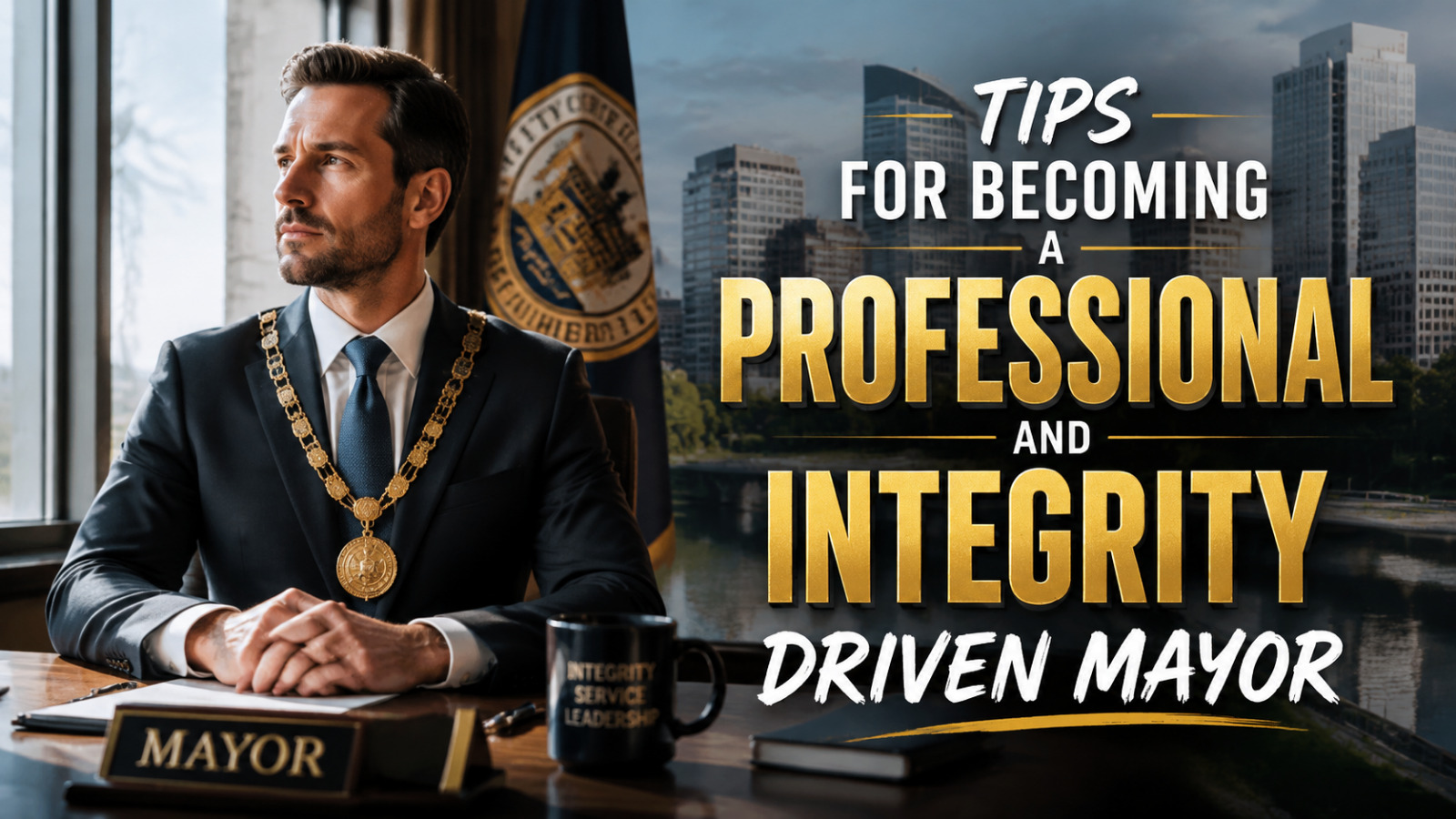
Becoming a mayor is not only about winning an election or holding an important government position. A successful mayor needs professional skills, strong integrity, leadership ability, and commitment to public service. The position involves making decisions that can directly affect the lives of many people. A mayor must understand community needs while also following laws, regulations, and government procedures. For this reason, developing good character and professional abilities is essential for anyone who wants to become an effective local leader.
BUILD STRONG INTEGRITY
Mayor Integrity is one of the most important qualities of a trustworthy public leader. A mayor should be honest when making decisions, managing public resources, and communicating with the community. Personal interests should not be placed above the interests of the public. A leader should also be willing to accept responsibility when a policy or program does not produce the expected results. Consistent integrity can create a strong foundation for Public Trust.
Integrity should also be demonstrated through everyday actions, not only through public statements. A mayor needs to respect laws, government procedures, and ethical standards. Transparency can help residents understand why important decisions are made. Avoiding conflicts of interest is also important for protecting the credibility of local government. When a mayor consistently demonstrates ethical behavior, the community is more likely to respect the leadership.
DEVELOP PROFESSIONAL LEADERSHIP
Professional Leadership requires more than giving instructions to government employees. A mayor needs to understand public administration, development planning, budgeting, public services, and community issues. Continuous learning can help a mayor make better decisions when facing complex challenges. A professional leader should also know how to delegate responsibilities to qualified officials. Good leadership combines knowledge, discipline, communication, and responsibility.
A mayor should also be able to build an effective government team. Different departments may have different responsibilities, but they must work toward common development goals. The mayor can encourage cooperation by establishing clear objectives and maintaining good communication. Employees should be evaluated fairly and given opportunities to improve their abilities. Strong professional leadership can make government programs more coordinated and effective.
PRACTICE ETHICAL DECISION MAKING
Ethical Leadership means making decisions based on laws, evidence, public needs, and appropriate government procedures. A mayor may face situations where different groups have competing interests. Instead of making decisions based only on personal preferences, the leader should consider the potential effects on the wider community. Important decisions should be supported by reliable information and proper analysis. This approach can reduce unnecessary risks and strengthen government accountability.
Ethical decision making also requires courage. Sometimes a mayor may need to make unpopular decisions because they are considered necessary for long-term public interests. The reasons behind major decisions should be communicated clearly when appropriate. A leader should also be prepared to review decisions when new evidence or changing circumstances require adjustment. Responsible decision making demonstrates maturity and professionalism.
BUILD PUBLIC TRUST
Public Trust cannot be created instantly because it develops through consistent actions over time. A mayor should communicate honestly about government achievements, challenges, and limitations. Promises should be realistic and followed by measurable actions. Residents are more likely to trust leaders who are willing to listen instead of simply promoting their own opinions. Trust becomes stronger when citizens can see that government programs respond to real community needs.
Public trust also depends on fairness. A mayor should treat different communities and social groups respectfully and avoid unnecessary favoritism. Public complaints should be received professionally and directed to appropriate solutions. Providing clear information about government programs can reduce confusion and misinformation. Through transparency, responsiveness, and consistency, a mayor can establish a healthier relationship with the community.
STRENGTHEN PUBLIC SERVICE VALUES
A mayor should understand that the position is fundamentally connected to Public Service. Government leadership should focus on improving residents' quality of life rather than simply achieving personal recognition. A public-service mindset encourages leaders to pay attention to basic needs such as health, education, infrastructure, transportation, sanitation, and economic opportunities. Policies should consider both immediate needs and long-term development. This perspective helps keep government programs focused on community welfare.
Public service also requires empathy and willingness to listen. Residents may experience problems differently depending on their economic situation, location, age, or occupation. A mayor should consider these differences when developing policies and programs. Community consultation can provide valuable information before important decisions are made. A leader who genuinely values public service can create a more responsive and inclusive local government.
CONCLUSION
Becoming a professional and integrity-driven mayor requires more than political experience. A successful leader needs Mayor Integrity, Professional Leadership, Ethical Leadership, Public Trust, and strong Public Service values. These qualities should be supported by continuous learning, responsible decision making, transparent communication, and respect for the community. A mayor who consistently puts public interests first can build stronger institutions and contribute to sustainable local development. Ultimately, integrity and professionalism are essential foundations for trusted and effective local leadership.
Tentang Penulis
Gusti Ayu Tita P
Penulis — Universitas STEKOM
Penulis aktif yang berfokus pada isu-isu akademik, teknologi pendidikan, dan pengembangan sumber daya manusia di lingkungan kampus.