Tips For Becoming A Smart Voter Instead Of Abstaining
Gusti Ayu Tita P
21 Juli 2026
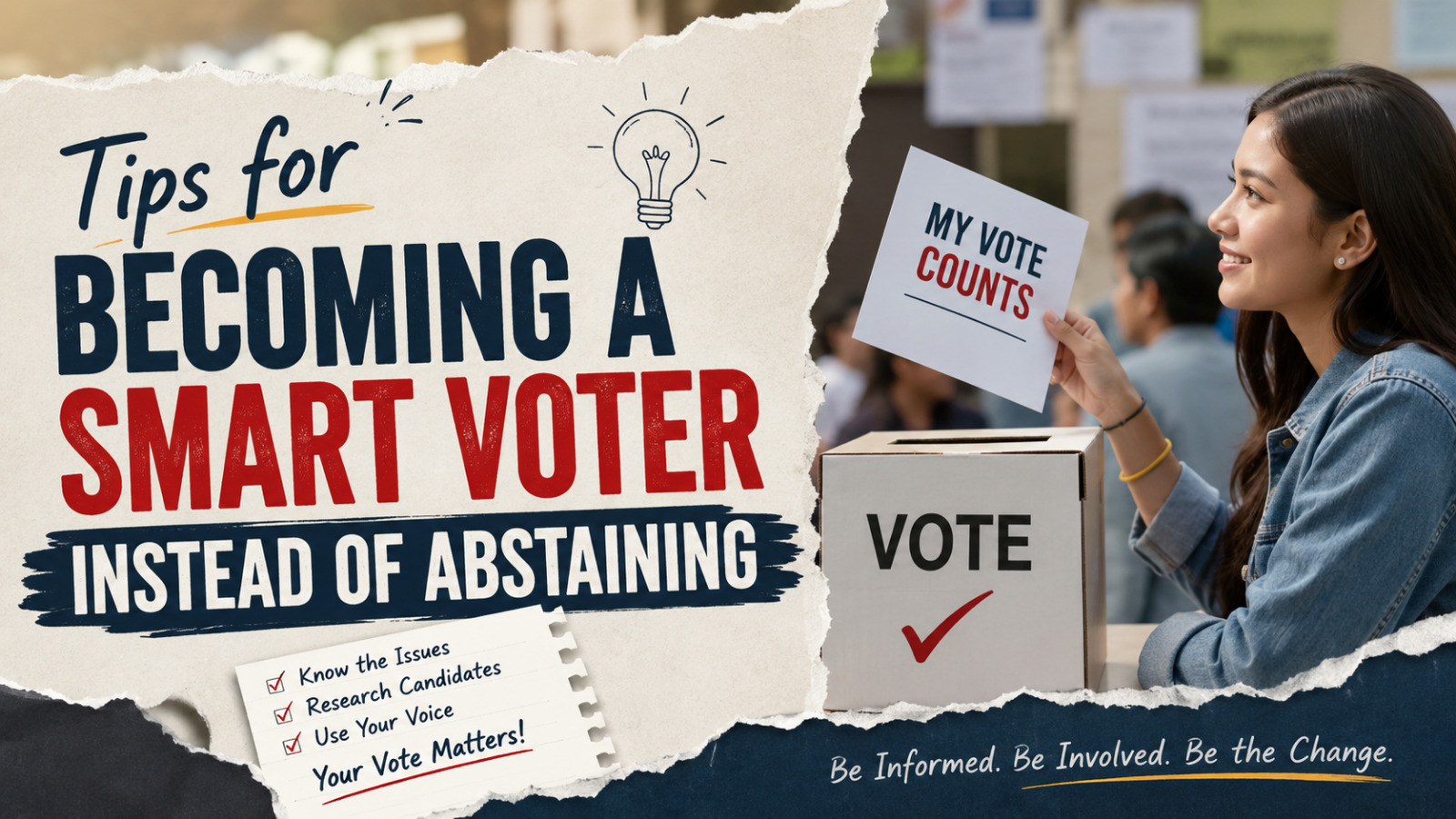
Becoming a smart voter is one of the best ways to contribute to a healthy democracy. Some people choose to abstain from voting because they feel confused about the candidates, distrust politics, or believe their vote will not matter. However, making an informed decision is far more beneficial than avoiding the election altogether. By improving political awareness, understanding your voting rights, and practicing informed voting, you can participate confidently and help shape the future of your community and country.
UNDERSTAND THE IMPORTANCE OF YOUR VOTE
Every vote has the power to influence the outcome of an election. Even when the margin of victory seems large, each ballot contributes to the overall legitimacy of the democratic process. Election participation ensures that leaders are chosen by a broad representation of society rather than by only a small group of voters. Voting is not only a right but also an opportunity to express your views on important national and local issues.
Many historical elections have been decided by narrow margins, proving that individual votes truly matter. By participating in elections, citizens help strengthen democratic institutions and encourage greater accountability from elected officials. Understanding the importance of your vote is the first step toward becoming a smart voter.
RESEARCH CANDIDATES CAREFULLY
A smart voter never chooses a candidate based solely on popularity or campaign slogans. Instead, take time to study each candidate's educational background, leadership experience, policy proposals, achievements, and public record. Comparing candidates objectively allows you to identify who best represents your values and priorities.
Use reliable sources such as official election websites, public debates, reputable news organizations, and candidate policy documents. Avoid relying only on social media opinions or unverified online content. Thorough research leads to informed voting and reduces the risk of making decisions based on misinformation.
VERIFY POLITICAL INFORMATION BEFORE BELIEVING IT
The internet provides instant access to political news, but not all information is accurate. False news, edited videos, and misleading headlines can influence public opinion and discourage people from voting. Always verify information by checking multiple credible sources before accepting or sharing it.
Critical thinking is an essential skill for every voter. Look for factual evidence, compare different viewpoints, and be cautious of emotionally charged content designed to manipulate opinions. Strong political awareness helps voters distinguish facts from misinformation.
FOCUS ON POLICIES INSTEAD OF PERSONALITY
Successful informed voting requires evaluating candidates based on their ideas rather than their personal image. Pay attention to proposed policies on education, healthcare, employment, economic growth, environmental protection, and public services. These issues directly affect citizens' daily lives and the country's future.
While personality and communication skills are important, they should not outweigh a candidate's competence and commitment to public service. Comparing policy platforms objectively helps voters make balanced decisions. A smart voter prioritizes long-term public benefits over short-term emotions.
USE YOUR VOTING RIGHTS RESPONSIBLY
Your voting rights are an important part of democratic citizenship. Exercising these rights responsibly means participating in elections, respecting different political opinions, and making decisions based on verified information. Responsible voters contribute to peaceful, fair, and transparent elections.
Citizens should also encourage family members and friends to participate in democracy responsibly. Constructive discussions and respectful dialogue help strengthen public understanding of political issues. Higher election participation leads to a more representative government that reflects the interests of the people.
CONCLUSION
Becoming a smart voter is far more valuable than choosing to abstain from voting. By understanding the importance of every vote, researching candidates carefully, verifying political information, focusing on policy proposals, and using voting rights responsibly, citizens can make informed decisions that strengthen democracy. Political awareness and informed voting empower individuals to influence the future of their communities and ensure that elected leaders represent the interests of society.
Tentang Penulis
Gusti Ayu Tita P
Penulis — Universitas STEKOM
Penulis aktif yang berfokus pada isu-isu akademik, teknologi pendidikan, dan pengembangan sumber daya manusia di lingkungan kampus.