Tips For Choosing Quality Preloved Items To Avoid Making The Wrong Purchase
Gusti Ayu Tita P
24 Agustus 2026
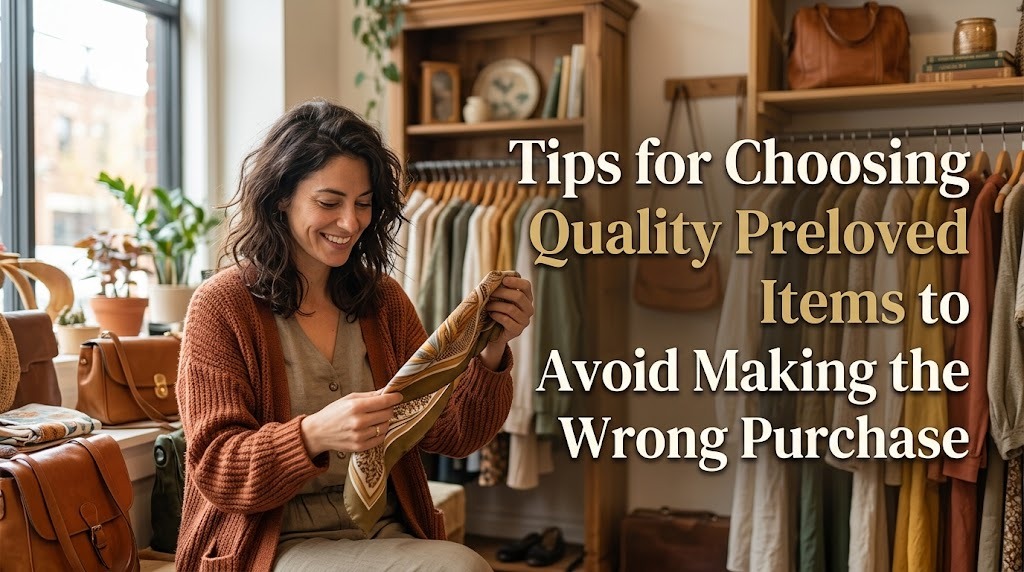
Buying preloved items can be a smart way to save money while finding useful products at lower prices. However, buyers still need to be careful because the condition of used goods can vary significantly. A low price does not always mean a good deal if the item has hidden damage or does not match the description. Therefore, understanding how to choose quality preloved items is important before completing a purchase.
CHECK THE PHYSICAL CONDITION
The first step is to inspect the physical condition of the item carefully. Look for scratches, stains, cracks, loose parts, discoloration, or other signs of excessive use. For clothing, check the seams, buttons, zippers, fabric, and any visible stains. For electronics, inspect the screen, buttons, ports, battery condition, and other important components.
If you are buying online, ask the seller for clear photos from several angles. Do not rely only on promotional pictures because they may not show imperfections. Request close-up images of areas that are commonly damaged. This simple step can help reduce the risk of receiving an item that looks different from the listing.
CHECK THE ITEM FUNCTION
A quality preloved item should still perform its main function properly. Before buying used products, determine which features are essential and make sure they work as expected. For example, test the buttons and battery on electronics or check the comfort and condition of shoes before purchasing them.
When buying online, ask the seller whether the item has any functional problems. If possible, request a demonstration video for products that require testing. Functional condition is often more important than appearance because cosmetic imperfections may be easier to accept than serious technical problems.
COMPARE THE PRICE
Price comparison is another important part of choosing a preloved item. Search for similar products and compare their condition, age, brand, specifications, and current market value. An item that appears cheap may not actually be economical if it requires expensive repairs.
Consider the value of the item, not just its selling price. A slightly more expensive product in better condition may provide greater long-term value. Comparing several listings can also help buyers recognize unreasonable prices and avoid impulsive purchases.
CHECK THE SELLER REPUTATION
A trustworthy seller can make the buying process much safer. Look at seller reviews, ratings, previous transactions, and customer comments when the platform provides this information. Pay attention to repeated complaints about inaccurate descriptions, poor communication, or damaged products.
Buyers should also communicate clearly with the seller before making a payment. Ask relevant questions about the item's history, condition, and possible defects. A seller who provides honest and detailed information is generally more reliable than one who avoids reasonable questions.
ASK ABOUT THE ITEM HISTORY
Knowing the history of a preloved item can help buyers make better decisions. Ask how long the product has been used, why it is being sold, and whether it has ever been repaired. For certain products, such as electronics or branded goods, previous repairs can affect future performance and value.
The item history does not have to be perfect, but it should be clear enough for the buyer to understand what they are purchasing. Honest information about previous use allows buyers to estimate the remaining useful life of the product. This can prevent disappointment after the transaction.
CONSIDER VALUE AND LONG TERM USE
Before purchasing, think about whether the item will actually be useful for a long time. A quality preloved product should offer a reasonable balance between price, condition, and usability. Avoid buying something simply because it is discounted if you have no clear need for it.
Choosing preloved items wisely requires patience and careful evaluation. By checking the condition, function, price, seller reputation, and item history, buyers can reduce unnecessary risks. In the end, the best purchase is not necessarily the cheapest one, but the product that provides good value and reliable use.
CONCLUSION
Choosing quality preloved items requires patience and careful evaluation. By checking the product details, physical condition, item history, price, and seller reputation, buyers can reduce the risk of making a poor purchase. With the right approach, buying secondhand products can be economical, practical, and satisfying.
Tentang Penulis
Gusti Ayu Tita P
Penulis — Universitas STEKOM
Penulis aktif yang berfokus pada isu-isu akademik, teknologi pendidikan, dan pengembangan sumber daya manusia di lingkungan kampus.