
Tips for Choosing Safe and High Quality Food Souvenirs
Gusti Ayu Tita P
4 September 2026
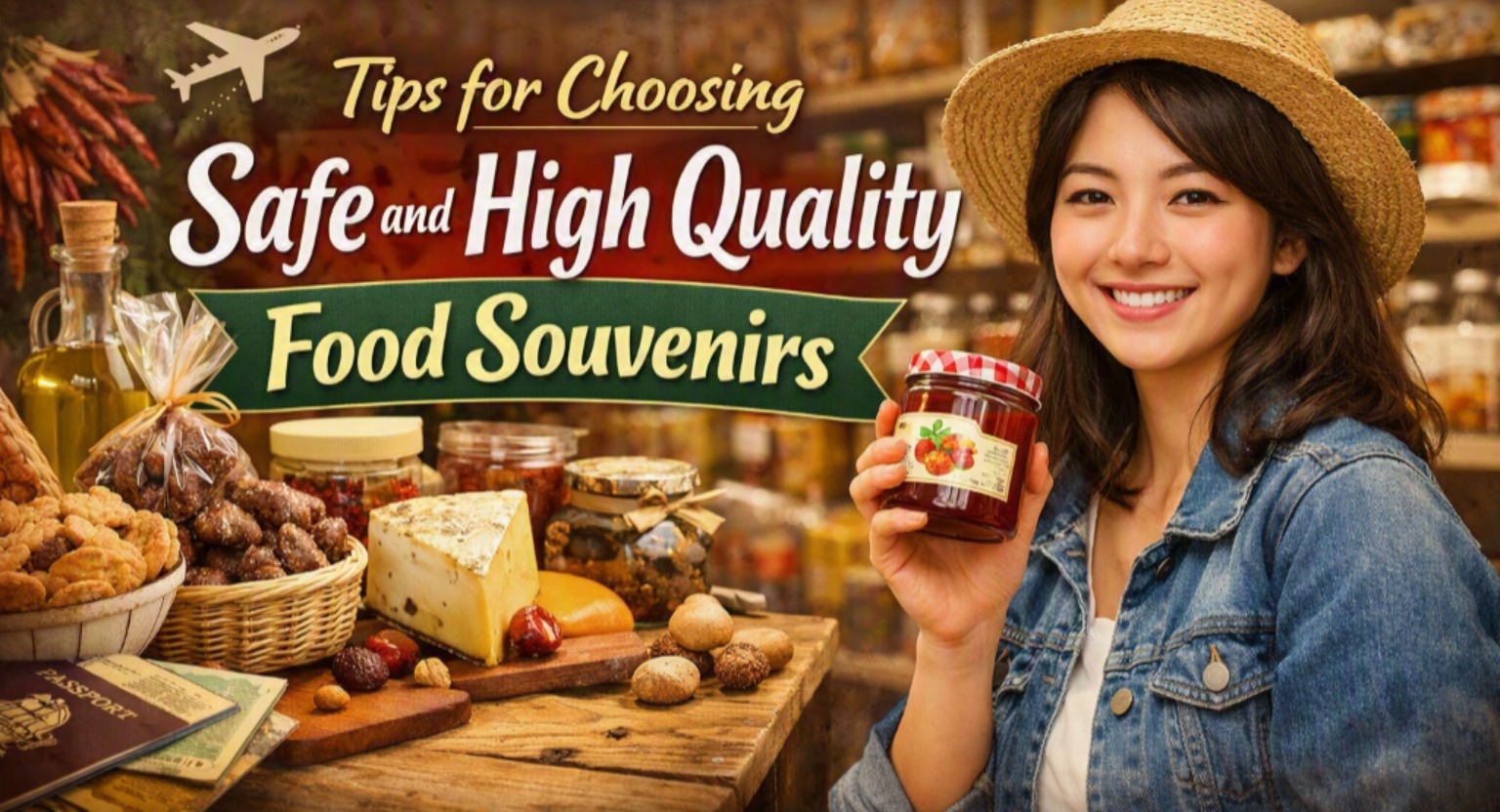
Buying food souvenirs is a common part of traveling because local food can bring back memorable experiences after a trip. However, attractive packaging does not always mean that a product is safe and high quality. Travelers need to consider several factors before purchasing food to avoid spoiled products, unclear ingredients, or poor storage conditions. Choosing carefully is especially important when the souvenir will be carried for several hours or given to family and friends. With a few simple checks, you can find delicious, hygienic, and reliable food souvenirs without making the process complicated.
CHECK THE PACKAGING CONDITION
The first step in choosing safe food souvenirs is checking the condition of the packaging. Make sure the package is sealed properly and does not have holes, tears, leaks, or unusual swelling. Damaged packaging may allow air, moisture, dirt, or microorganisms to enter the product. You should also avoid cans, jars, or vacuum packages that appear severely dented, leaking, or unusually bloated. A clean and intact package generally provides better protection for the food during transportation.
It is also important to check whether the packaging is suitable for the type of food being sold. Products that contain liquids, oils, or moisture need packaging that can prevent leakage and contamination. If the package looks dirty, wet, or poorly stored, consider choosing another product. Good packaging should protect the food while also making important information easy to read. Taking a few seconds to inspect it can help reduce unnecessary food safety risks.
CHECK THE EXPIRATION DATE AND PRODUCT INFORMATION
Before purchasing a souvenir, always look for the expiration date or other shelf life information provided by the producer. Do not choose products that have passed their expiration date or have unclear labels. A product with a long remaining shelf life is generally more practical if you plan to travel for several days. You should also read the ingredient list to understand what the food contains. This is particularly important for people who have food allergies or avoid certain ingredients.
Other useful information may include the producer's name, storage instructions, net weight, and production information. A properly labeled product is easier to identify and handle after you arrive home. If the label is incomplete, difficult to read, or appears altered, it is better to choose a different product. Clear product information also helps you understand how the food should be stored after purchase. Good labeling is therefore an important part of choosing a trustworthy souvenir.
CONSIDER THE FOOD TYPE AND STORAGE NEEDS
Different types of food souvenirs have different storage requirements. Dry products such as crackers, cookies, roasted coffee, and some traditional snacks are often easier to carry because they usually do not require refrigeration before opening. Meanwhile, foods containing fresh meat, dairy products, cream, or other highly perishable ingredients may require stricter temperature control. If a product needs refrigeration, make sure you have an appropriate way to keep it cold during the journey. Ignoring storage instructions can reduce food quality and increase safety risks.
You should also consider the travel duration and transportation conditions. A souvenir that is suitable for a short trip may not be the best choice for a long journey without proper storage. Keep food away from direct sunlight, excessive heat, and moisture whenever possible. Follow the storage instructions on the package and avoid leaving perishable food inside a hot vehicle for extended periods. Choosing a product that matches your travel conditions can help preserve its taste, texture, and safety.
BUY FROM TRUSTED SELLERS
The seller can have an important influence on the quality of food souvenirs. Choose stores, markets, or producers that appear clean, organized, and experienced in handling food. Food should be displayed in a way that protects it from dust, insects, excessive heat, and other possible sources of contamination. Sellers should also handle food using appropriate hygiene practices, especially for products that are sold unpackaged. A clean selling environment can provide greater confidence in the product.
When possible, look for reputable local producers and products with clear information about their origin. Recommendations from reliable sources can also help you discover popular souvenirs without relying only on attractive advertisements. Be careful with products that are sold in questionable conditions or have unusually low prices without a clear reason. Ask the seller about storage requirements when you are unsure whether a product can survive your journey. A trustworthy seller should be able to provide basic information about the product.
PAY ATTENTION TO APPEARANCE AND FRESHNESS
The appearance of food can provide useful clues about its condition, especially when buying products that are not completely sealed. Avoid food with mold, unusual discoloration, excessive moisture, or an unpleasant smell. However, remember that normal differences in color or texture can occur because of ingredients and traditional preparation methods. For packaged products, visual inspection should be combined with checking the label, expiration date, and packaging condition. Do not taste a product simply to determine whether it is still safe.
For freshly prepared souvenirs, pay attention to clean handling and storage practices. Food should ideally be protected from direct exposure to dust, insects, and unnecessary contact. Products that are intended to be eaten soon should be purchased close to the time they will be consumed. If you notice signs of spoilage or questionable handling, choosing another item is the safer decision. A careful inspection helps ensure that your souvenir remains enjoyable after you return home.
CHOOSE PRACTICAL SOUVENIRS FOR TRAVEL
A good souvenir should not only taste great but also be practical to transport. Choose products that are reasonably durable and can withstand movement inside luggage. Individually packed snacks can be useful because they are easier to distribute and less likely to expose the entire package when opened. You should also consider the product's weight and size, especially if you are carrying several souvenirs. Practical choices can make the journey more comfortable while reducing the possibility of damaged food.
For long-distance travel, products with a longer shelf life are often more convenient than highly perishable foods. Make sure fragile items are protected from pressure and heavy objects inside your luggage. If necessary, place food souvenirs in a separate bag to reduce contact with clothing or other belongings. Avoid mixing foods with strong odors when possible because some products can absorb smells. By considering transportation needs before buying, you can keep your souvenirs in better condition until they reach their destination.
CONCLUSION
Choosing food souvenirs should be an enjoyable part of traveling, but food safety should always come first. Attractive packaging, low prices, or popularity should not replace basic checks of cleanliness and product information. Before buying, remember to inspect the packaging, expiration date, ingredients, storage instructions, and seller's condition. You should also choose products that suit the length and conditions of your journey. These simple habits can help you avoid common problems while selecting local treats.
A carefully selected souvenir can provide more than a pleasant taste because it can also represent the culture and character of a destination. Whether you buy traditional snacks, coffee, cookies, spices, or other local products, quality and safety should remain important considerations. Take enough time to compare products instead of choosing the first attractive item you see. When you make informed choices, your souvenirs are more likely to arrive safely and remain enjoyable. In the end, the best food souvenir is one that combines local identity, good quality, convenient storage, and safe consumption.
Tentang Penulis
Gusti Ayu Tita P
Penulis — Universitas STEKOM
Penulis aktif yang berfokus pada isu-isu akademik, teknologi pendidikan, dan pengembangan sumber daya manusia di lingkungan kampus.