Tips for First Time Passengers Traveling by Ship
Gusti Ayu Tita P
11 Agustus 2026
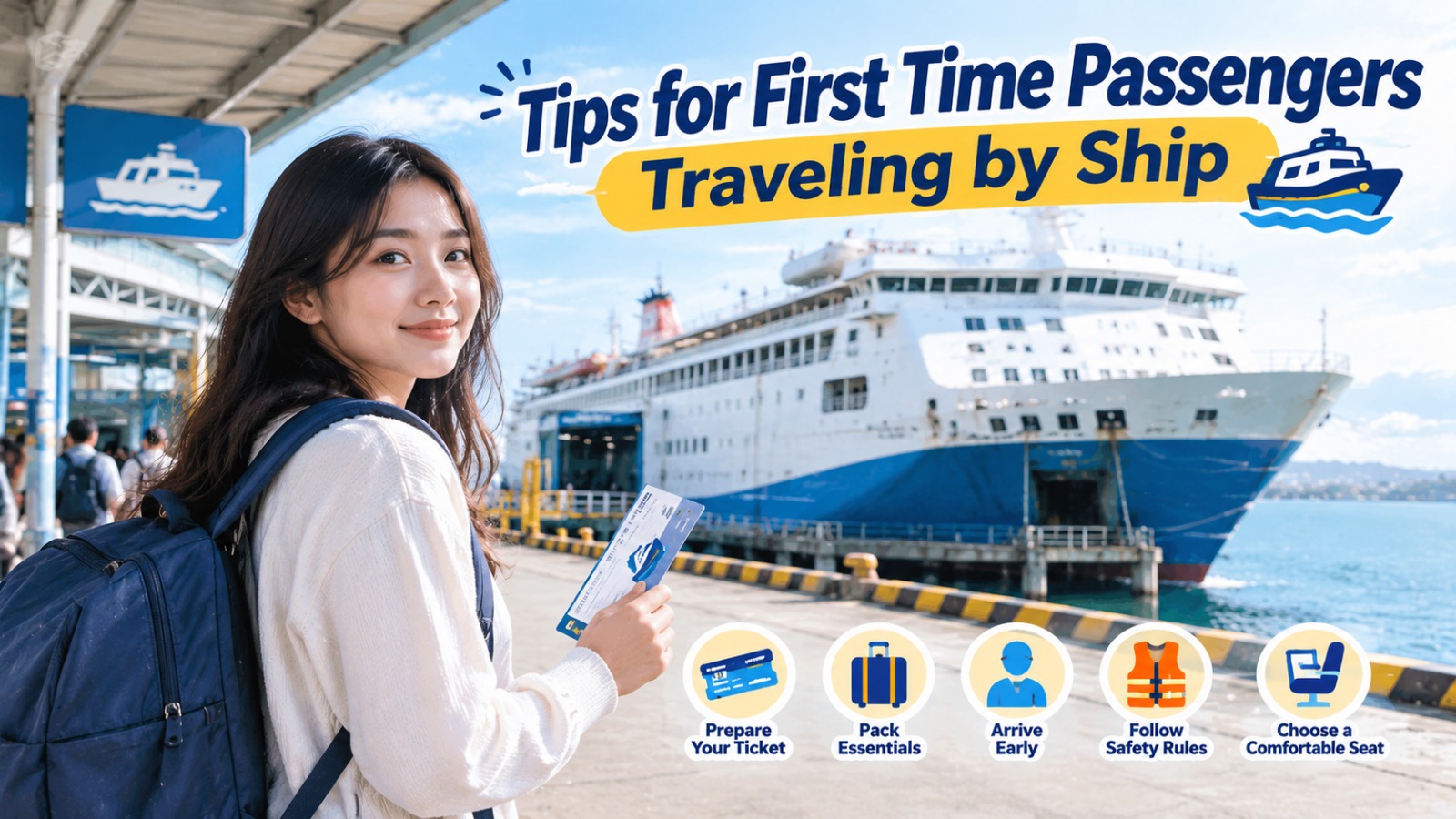
Traveling by ship can be an enjoyable experience, especially for people who want to see the sea while reaching another destination. However, first time passengers may feel confused about tickets, baggage, boarding procedures, cabins, meals, and safety rules. Good preparation can make the journey more comfortable and reduce unnecessary stress.
Unlike traveling by car or airplane, traveling by ship has its own procedures that passengers need to understand. From arriving at the port on time to preparing essential belongings, every step can affect the overall travel experience. This guide provides practical ship travel tips for passengers who are preparing for their first journey by sea.
CHECK YOUR TICKET AND TRAVEL INFORMATION
Before leaving for the port, carefully check your ship ticket and travel information. Make sure the passenger name, departure date, departure time, destination, and booking details are correct. If the ticket contains instructions about check-in or boarding, read them carefully so you know what to do when you arrive.
It is also useful to check the port location and transportation options before the departure day. Some ports can be located far from city centers, so passengers may need additional travel time. Keeping a digital and printed copy of important travel information can also be helpful if you experience problems accessing your phone.
ARRIVE AT THE PORT EARLY
First time passengers should avoid arriving at the port just before departure. Arriving early provides enough time for check-in, document verification, baggage handling, and boarding. Port procedures may take longer when there are many passengers traveling on the same schedule.
The recommended arrival time can vary depending on the shipping company, route, port, and type of vessel. Therefore, passengers should always follow the official instructions provided with their ticket. Giving yourself extra time can help prevent unnecessary rushing and reduce the risk of missing the ship.
PREPARE YOUR IDENTIFICATION DOCUMENTS
Passengers should prepare all required identification and travel documents before going to the port. Depending on the route and operator, these may include an identity card, passport, visa, ticket, or other required documents. International journeys generally require more documentation than domestic trips.
Keep important documents somewhere safe and easily accessible during the journey. Do not place passports or identification documents inside checked baggage if you may need them during boarding or inspection. Preparing documents in advance can make the check-in process faster and more convenient.
UNDERSTAND THE BOARDING PROCESS
The boarding process may be different from what passengers experience at an airport or train station. After completing check-in, passengers may need to pass through security checks before entering the vessel. They may then be directed toward a specific boarding area, deck, or cabin.
Pay attention to signs, announcements, and instructions from the crew. If you are unsure where to go, ask a crew member rather than guessing. Understanding the boarding procedure will help first time travelers feel more confident and avoid confusion.
PACK YOUR BAGGAGE CAREFULLY
Packing properly is one of the most important ship travel tips for beginners. Before packing, check the operator's baggage allowance and restrictions because policies can vary between companies and routes. Avoid bringing prohibited items or unnecessary belongings that could make the journey less convenient.
Keep essential items such as medication, identification documents, chargers, valuables, and basic toiletries in a small personal bag that stays with you. If larger baggage is stored separately, having important items nearby can be extremely useful during the trip.
BRING COMFORTABLE CLOTHING
Weather conditions at sea can be different from conditions on land. Even when the weather is warm at the port, temperatures can become cooler or windier on open decks. Wearing comfortable clothing and suitable footwear can make it easier to move around the vessel.
It is also a good idea to bring an additional layer of clothing if you expect to spend time outdoors. Comfortable shoes are particularly important because passengers may need to walk between different areas of a large vessel. Clothing should allow easy movement and provide protection from changing weather conditions.
LEARN ABOUT THE SHIP FACILITIES
Once you board, take some time to identify important ship facilities. These may include restrooms, dining areas, passenger lounges, information desks, emergency exits, stairways, and designated assembly areas. Knowing where these facilities are located can make the journey much easier.
If you are staying in a cabin, remember its location and deck number. Large ships can have many similar corridors, which can make it easy to lose your way. Taking note of your cabin location can save time when you return after exploring the vessel.
PAY ATTENTION TO SAFETY INSTRUCTIONS
Safety should always be a priority when traveling by ship. Passengers should pay close attention to the crew's safety briefing and emergency instructions. These instructions may explain where life jackets are stored, where passengers should gather during an emergency, and which routes lead to emergency exits.
Do not treat safety demonstrations as unimportant, even if the journey seems short. Knowing what to do during an emergency can make a significant difference. Passengers should also follow crew instructions throughout the journey and avoid entering restricted areas.
PREPARE FOR POSSIBLE SEASICKNESS
Some first time passengers may experience seasickness because their bodies are not accustomed to the movement of a ship. Common symptoms can include nausea, dizziness, sweating, fatigue, and discomfort. The severity can vary from one person to another.
To reduce discomfort, passengers can try to stay in areas with better ventilation and focus on a stable point such as the horizon. Eating light meals and staying hydrated may also help. If you are concerned about seasickness, consider discussing suitable prevention options with a qualified healthcare professional before traveling.
KEEP YOUR VALUABLES SAFE
Valuable belongings such as cash, identification documents, electronics, and jewelry should be handled carefully. Avoid leaving valuable items unattended in public areas. If the ship provides secure storage facilities, use them according to the operator's instructions.
Passengers should also avoid displaying expensive belongings unnecessarily. Keep your personal bag close when moving through crowded areas. Simple precautions can reduce the chance of losing important items during the journey.
FOLLOW SHIP RULES AND CREW INSTRUCTIONS
Every vessel has rules designed to maintain passenger safety and smooth operations. These rules may cover restricted areas, smoking locations, baggage storage, alcohol consumption, emergency procedures, and behavior onboard. Passengers should read or listen to the instructions provided by the operator.
Crew members are responsible for helping passengers and managing onboard operations. If a crew member gives a safety-related instruction, passengers should follow it promptly. Respecting ship regulations helps create a safer and more comfortable environment for everyone.
KEEP YOURSELF ENTERTAINED DURING THE JOURNEY
Ship journeys can sometimes take several hours or even longer. Passengers should prepare activities that can help make the journey more enjoyable. Books, music, downloaded movies, games, or other forms of offline entertainment can be useful when internet access is limited.
Passengers can also enjoy the scenery by spending time in designated outdoor areas. Watching the ocean and surrounding landscape can be one of the most enjoyable parts of traveling by ship. However, always remain within permitted areas and follow safety barriers and instructions.
BE PREPARED FOR CHANGING WEATHER
Weather conditions at sea can change more quickly than expected. Strong winds, rain, waves, or reduced visibility may affect the journey and access to outdoor areas. Passengers should therefore monitor weather information and announcements from the crew.
Do not enter outdoor areas that have been closed because of unsafe conditions. If the crew recommends staying indoors, follow the instruction. Flexibility is important because maritime travel can be affected by weather and sea conditions.
RESPECT OTHER PASSENGERS
A comfortable ship journey also depends on good behavior toward other passengers. Avoid excessive noise, keep shared areas clean, and respect personal space. If you are traveling in a shared cabin or seating area, being considerate can make the experience more pleasant for everyone.
Passengers should also follow rules regarding cleanliness and public facilities. Dispose of waste properly and avoid damaging ship equipment. Simple acts of consideration contribute to a positive onboard environment.
CONCLUSION
Traveling by ship for the first time can be a memorable experience when you prepare properly. Checking your ship ticket, arriving early, preparing documents, packing essential items, and learning the boarding process can help you avoid common problems. Understanding the ship's facilities and safety procedures is equally important.
First time passengers should also prepare for possible seasickness, changing weather, and long travel periods. By following practical ship travel tips and listening to the crew, passengers can enjoy a safer and more comfortable journey. Good preparation allows you to focus more on the experience and enjoy the unique atmosphere of traveling across the sea.
Tentang Penulis
Gusti Ayu Tita P
Penulis — Universitas STEKOM
Penulis aktif yang berfokus pada isu-isu akademik, teknologi pendidikan, dan pengembangan sumber daya manusia di lingkungan kampus.