
Tips for Making a Small Apartment Look Spacious and Comfortable
Gusti Ayu Tita P
5 September 2026
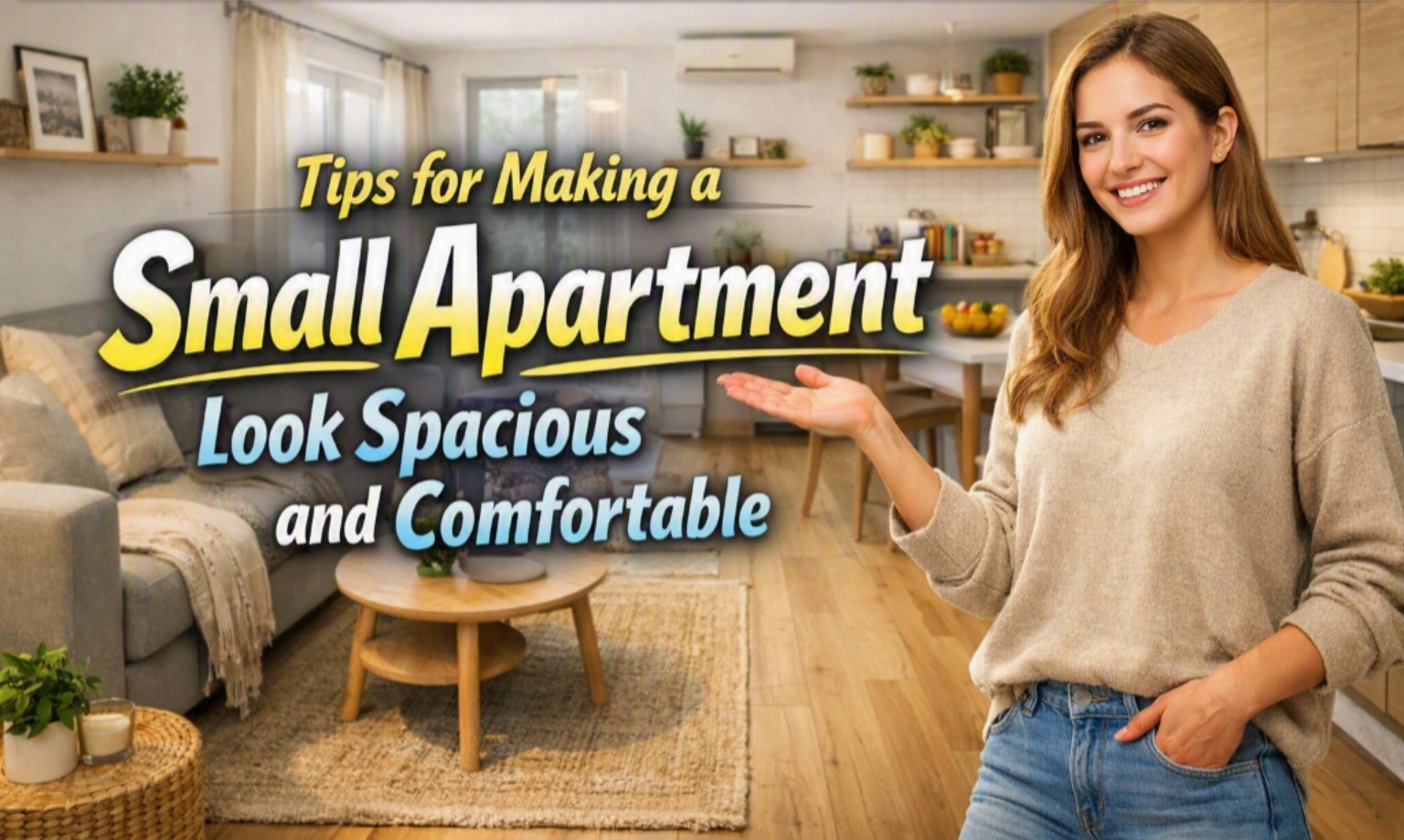
Living in a small apartment does not mean you have to sacrifice comfort, style, or functionality. With the right arrangement, even a limited space can feel more open, organized, and pleasant to live in. The key is to use the available area wisely and avoid unnecessary items that make the room feel crowded. Small apartment design should focus on creating a balance between practical furniture, sufficient storage, and visual openness. Simple changes in furniture placement, lighting, color, and decoration can make a noticeable difference.
CHOOSE FURNITURE THAT FITS THE SPACE
Choosing the right furniture is one of the most important steps when arranging a small apartment. Avoid pieces that are too large because they can quickly make the room feel cramped and difficult to move around. Instead, choose compact furniture with a size that matches the proportions of the room. Furniture with more than one function, such as a sofa bed, storage ottoman, or extendable dining table, can help save valuable floor space.
It is also useful to choose furniture with simple and lightweight designs. Pieces with visible legs can create a sense of openness because more of the floor remains visible. Before buying new furniture, measure the available area and consider doorways, windows, and walking paths. This approach helps prevent the room from becoming overcrowded and makes the apartment easier to use.
USE LIGHT COLORS AND NATURAL LIGHT
Color can strongly influence how spacious a small apartment feels. Light colors such as white, cream, soft gray, and pale beige can reflect more light and create a brighter visual effect. Using similar tones on walls, ceilings, and larger furniture can also make the space look more connected rather than divided into small sections. Darker colors can still be used, but they are generally more effective as small accents instead of dominating the entire room.
Natural light is equally important because a bright room usually feels more open and welcoming. Keep windows as clear as possible and avoid placing bulky furniture directly in front of them. Use sheer curtains if privacy is needed while still allowing daylight to enter. When natural light is limited, combine ceiling lights, wall lights, and task lighting to prevent dark corners.
KEEP THE APARTMENT ORGANIZED AND CLUTTER FREE
A small apartment can feel much smaller when too many objects are visible. Regularly remove items that are rarely used and keep everyday belongings in designated places. Decluttering does not mean removing everything from the room, but rather keeping only things that are useful or meaningful. A clear floor and tidy surfaces can immediately make the apartment look more spacious.
Storage should also be planned carefully so that belongings do not accumulate in open areas. Use vertical storage, shelves, under-bed containers, and furniture with built-in compartments to make better use of unused space. Organizing items by category can make them easier to find and reduce unnecessary mess. The goal is to make every item have a practical place without filling every available surface.
CREATE A SENSE OF OPEN SPACE
Furniture placement can change the way people perceive the size of an apartment. Instead of pushing every piece tightly against a wall, consider how the furniture affects walking paths and visual flow. Keep important pathways clear so residents can move comfortably between different areas. In an open-plan apartment, furniture can also be used to define living, dining, and sleeping zones without completely separating them.
Mirrors can help create a stronger sense of depth when positioned thoughtfully. A large mirror placed where it can reflect light or an attractive part of the room may make the space appear deeper. However, too many mirrors or decorative objects can have the opposite effect and make the room visually busy. Choose a few carefully placed pieces rather than trying to decorate every wall.
USE DECORATION WITHOUT OVERLOADING THE ROOM
Decoration can make a small apartment feel more personal, but too much decoration can quickly create visual clutter. Choose a few meaningful decorative items instead of filling shelves, tables, and walls with many objects. Artwork with simple compositions, small plants, or one statement piece can add personality without taking up excessive space. Keep decorative items proportional to the room so they complement rather than dominate the interior.
Textiles can also improve comfort without requiring much space. A suitable rug, cushions, or curtains can add warmth and make the apartment feel more inviting. Choose patterns carefully because very busy designs may make a small room appear more crowded. A consistent decorating style can help different areas feel connected and visually organized.
MAKE EVERY AREA SERVE A PURPOSE
In a small apartment, every area should be used efficiently. A corner near a window can become a compact workspace, while an unused wall can provide space for shelves or a foldable desk. Multi purpose areas allow one part of the apartment to support several activities without requiring separate rooms. For example, a dining table can also function as a workspace when it is not being used for meals.
Think vertically as well as horizontally when planning the apartment. Walls can provide useful space for shelves, hooks, cabinets, and other storage solutions without reducing the walking area. However, avoid filling the walls completely because some empty visual space is necessary to keep the room feeling calm. A practical layout should make daily activities easier while maintaining a comfortable atmosphere.
CONCLUSION
A consistent interior style can make a small apartment feel more organized and spacious. Choose a limited color palette and repeat similar materials or design elements throughout the main areas. This creates visual continuity and reduces the feeling that each part of the apartment is competing for attention. Simple designs are often easier to maintain and adapt as your needs change.
The most important principle is to prioritize function over unnecessary decoration. Before adding a new item, consider whether it provides a clear practical or aesthetic benefit. If the apartment already contains enough furniture and storage, adding more may reduce its comfort. By keeping the layout simple, using space efficiently, and maintaining good organization, a small apartment can become both spacious-looking and comfortable.
Tentang Penulis
Gusti Ayu Tita P
Penulis — Universitas STEKOM
Penulis aktif yang berfokus pada isu-isu akademik, teknologi pendidikan, dan pengembangan sumber daya manusia di lingkungan kampus.















