Tips For Managing Family Finances After Receiving Social Assistance
Gusti Ayu Tita P
1 September 2026
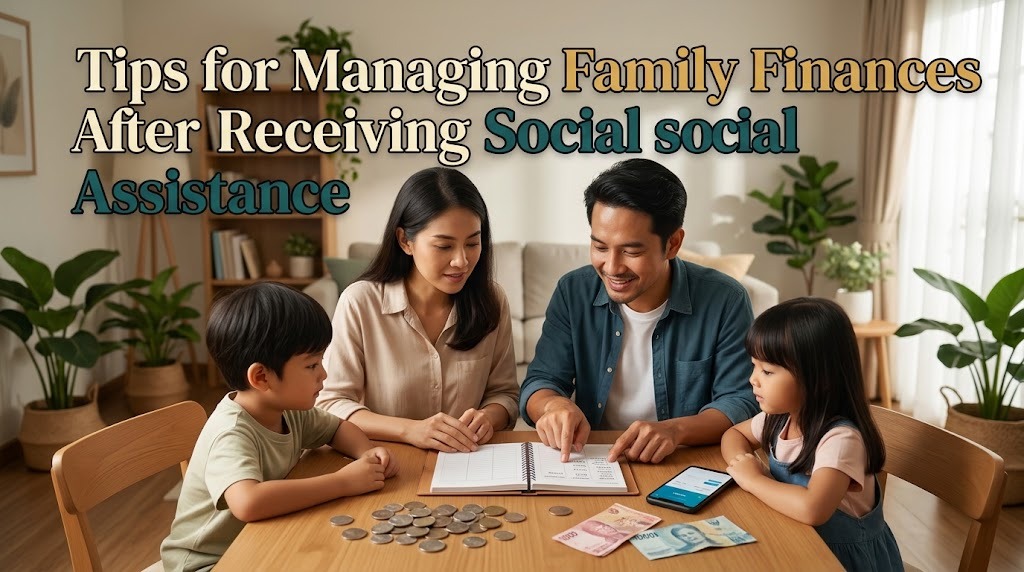
After receiving Social Assistance, families should first understand their current financial situation. List available income, regular expenses, debts, and essential household needs. This simple overview can help determine how available resources should be allocated. Do not assume that assistance can cover every household expense. Careful planning is especially important when family income is limited.
Understanding your financial condition also helps identify the most urgent priorities. Financial Planning can prevent money from being spent too quickly on less important items. Review expenses based on the actual needs of household members. If circumstances change, adjust the plan accordingly. A realistic financial plan is more useful than a complicated one that is difficult to maintain.
CREATE A FAMILY BUDGET
Creating a Family Budget is one of the easiest ways to manage household money. Start by listing essential expenses such as food, education, transportation, utilities, and other necessary costs. Separate needs from wants so that important expenses receive priority. A written budget can help the family understand how much money is available. It can also reduce unnecessary spending.
The budget should be realistic and flexible. Budget Management means reviewing spending regularly and making adjustments when necessary. Families can use a notebook, spreadsheet, or simple budgeting application to record expenses. Every household does not need the same budgeting method. The most important thing is to choose a system that is easy to follow consistently.
PRIORITIZE ESSENTIAL EXPENSES
After receiving assistance, families should prioritize Essential Expenses before spending on nonessential items. Basic food, household necessities, education-related needs, and other permitted expenses may take priority depending on the family's circumstances and assistance rules. Making a priority list can help prevent resources from being used too quickly. Consider the family's most urgent needs before making purchases. This approach can increase the practical value of available funds.
Families should also compare prices when purchasing necessary items. Priority Spending means directing money toward expenses that have the greatest importance. Avoid buying unnecessary products simply because funds are temporarily available. Planning shopping trips and preparing a list can help control spending. Small savings on regular purchases can make a meaningful difference over time.
TRACK EVERY HOUSEHOLD EXPENSE
Tracking Household Expenses helps families understand how their money is being used. Record regular purchases and compare them with the planned budget. This can reveal unnecessary spending that may otherwise go unnoticed. Even small daily expenses can become significant when accumulated over weeks or months. Regular tracking allows families to make adjustments before financial problems become more serious.
Expense records do not need to be complicated. Expense Tracking can be as simple as writing down the amount and purpose of each purchase. Review the records regularly to identify spending patterns. If an expense is consistently higher than expected, consider whether there is a practical way to reduce it. Developing this habit can improve financial awareness.
BUILD HEALTHY FINANCIAL HABITS
Receiving social assistance can also be an opportunity to develop better Financial Habits. Families can practice budgeting, comparing prices, avoiding unnecessary debt, and planning for upcoming expenses. These habits can remain useful after the assistance period ends. Financial discipline does not require a large income. It starts with making careful decisions about available resources.
When possible and permitted, families may also consider setting aside a small amount for future needs. Emergency Savings can provide some protection against unexpected expenses. However, recipients should always follow the specific rules governing the assistance they receive. Savings decisions should not interfere with essential household needs. Even small and consistent financial habits can support greater stability.
PLAN FOR LONG TERM NEEDS
Social assistance can provide valuable short-term support, but families should also consider their Future Needs. Think about upcoming expenses such as school costs, household repairs, transportation, or other predictable requirements. Planning ahead can reduce the pressure of unexpected financial demands. Families can review their financial priorities regularly. Long-term planning should be based on realistic household income and circumstances.
Families can also explore legitimate opportunities to strengthen household income. Income Planning may include developing skills, seeking employment opportunities, or building permitted small-scale economic activities. Assistance should be used according to the applicable program rules and should not be treated as a guaranteed long-term income source. Combining responsible spending with income development can support greater financial independence. Progress may be gradual, but consistent planning can make a difference.
CONCLUSION
Managing family finances after receiving social assistance requires discipline and clear priorities. Start with a Family Budget, prioritize essential expenses, and track household spending regularly. These simple steps can help families understand where their money goes and reduce unnecessary financial pressure.
Families should also develop healthy Financial Habits and consider future needs when circumstances allow. Social assistance can provide important temporary support, but responsible money management and sustainable income opportunities are also valuable. By planning carefully and spending according to priorities, families can make better use of available resources.
Tentang Penulis
Gusti Ayu Tita P
Penulis — Universitas STEKOM
Penulis aktif yang berfokus pada isu-isu akademik, teknologi pendidikan, dan pengembangan sumber daya manusia di lingkungan kampus.