Tips For Overcoming Fear Of Flying For First Time Passengers
Gusti Ayu Tita P
11 Agustus 2026
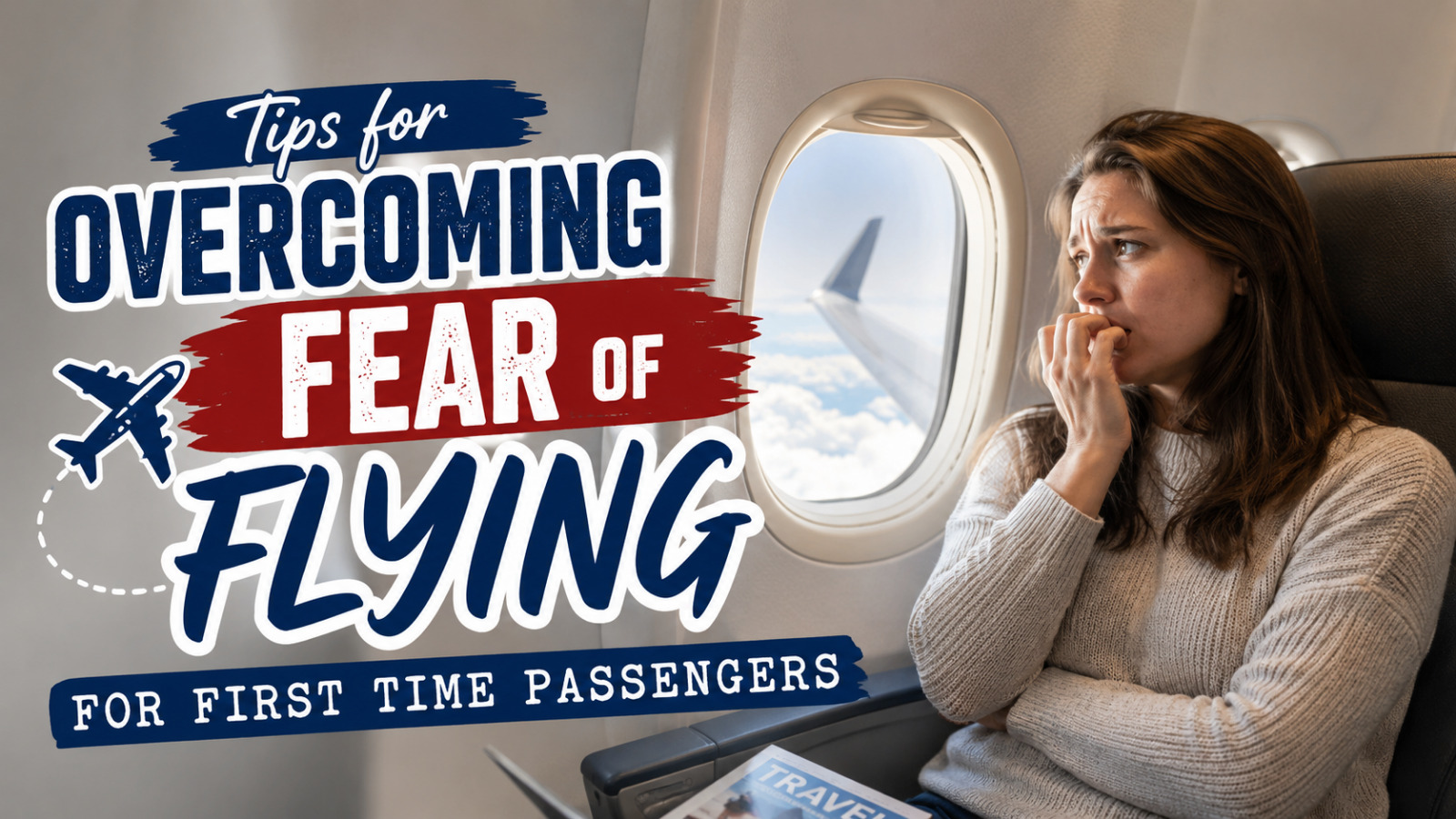
Flying for the first time can be an exciting experience, but it can also make some passengers feel nervous or afraid. Fear of flying may come from unfamiliar surroundings, uncertainty about aircraft operations, turbulence, or concerns about safety. These feelings are common, especially among First Time Passengers. Fortunately, proper preparation and a better understanding of air travel can help reduce anxiety. With the right approach, travelers can gradually become more comfortable with flying.
UNDERSTAND HOW FLYING WORKS?
Learning basic information about Air Travel can reduce fear caused by unfamiliar situations. Before the first flight, passengers can learn how airplanes take off, fly, and land. Understanding that aircraft are designed and operated according to strict safety requirements can also provide reassurance.
Passengers do not need to become aviation experts. Simple knowledge about flight procedures, seat belts, turbulence, and cabin crew responsibilities can make the experience feel more predictable. Understanding what to expect can reduce uncertainty and nervousness.
PREPARE BEFORE GOING TO THE AIRPORT
Good Travel Preparation can help first-time passengers feel more confident. Check the flight details, airport terminal, baggage allowance, and required travel documents before departure. Knowing what needs to be done at the airport can prevent confusion when you arrive.
Prepare your luggage in advance and leave home with enough time to reach the airport. Rushing through traffic or arriving late can increase anxiety. A calm and organized start can make the rest of the journey easier. Preparation gives passengers a greater sense of control.
ARRIVE AT THE AIRPORT EARLY
Arriving early can make the first airport experience much less stressful. Large airports can be confusing for passengers who have never traveled by air before. Extra time allows you to locate check-in counters, security checkpoints, boarding gates, and other facilities without rushing.
Passengers can also use the additional time to become familiar with the airport environment. If you are unsure about where to go, ask airport or airline staff for assistance. There is nothing wrong with asking for help, especially during a first flight.
CHOOSE A COMFORTABLE SEAT
Seat selection may influence how comfortable a passenger feels during a flight. Some nervous travelers prefer a seat near the aircraft's middle section because movement may feel less noticeable than at the rear. Others may prefer an aisle seat because it provides easier access to the cabin.
Consider your personal preferences when selecting a seat. If looking outside makes you more nervous, a window seat may not be the best choice. Choosing a comfortable seat can help reduce unnecessary anxiety and make the flight more enjoyable.
BRING SOMETHING THAT HELPS YOU RELAX
Having familiar items can make the flight more comfortable. Passengers may bring permitted entertainment such as books, music, movies, or downloaded content. A favorite book or playlist can provide a useful distraction during the journey.
Choose activities that keep your attention on something positive. However, electronic devices must always be used according to airline instructions. Comforting and familiar activities can make the flight feel more normal.
TALK TO THE CABIN CREW
Cabin crew members are trained to assist passengers and manage safety procedures. If you feel nervous, you can politely inform a crew member that this is your first flight. They may provide reassurance or explain what is happening during different stages of the journey.
Do not feel embarrassed about asking questions. Many passengers experience nervousness when flying for the first time. Open communication can help you feel supported throughout the flight.
AVOID EXCESSIVE NEGATIVE INFORMATION
Searching continuously for frightening aviation stories before your first flight can increase anxiety. While learning about aviation safety is useful, repeatedly consuming negative information may make nervous feelings stronger. Focus on reliable and balanced information instead.
Prepare yourself by learning what normally happens during check-in, boarding, takeoff, cruising, and landing. Having realistic expectations is more helpful than imagining worst-case scenarios. Choose useful information that prepares you rather than information that increases fear.
FOCUS ON THE PURPOSE OF YOUR TRIP
Think about why you are traveling. Perhaps you are visiting family, exploring a new destination, attending an event, studying, or starting an important journey. Focusing on the positive purpose of the trip can help shift attention away from nervous thoughts.
You can also create a simple plan for activities after arriving at your destination. Having something enjoyable to look forward to can make the journey feel more meaningful. The flight is only one part of the overall travel experience.
TAKE SMALL STEPS TO BUILD CONFIDENCE
Overcoming fear of flying does not always happen immediately. Some passengers may need several flights before they become fully comfortable. Each successful journey can provide a positive experience that builds confidence for future trips.
Start by focusing on manageable steps, such as visiting an airport, watching an aircraft take off, or taking a short flight. Avoid putting unnecessary pressure on yourself to feel completely relaxed immediately. Gradual exposure can help build confidence over time.
CONCLUSION
Fear of flying can make a first journey feel difficult, but proper preparation can make the experience much easier. Passengers can reduce anxiety by understanding how flying works, arriving early, choosing a comfortable seat, learning about turbulence, and practicing calm breathing. Talking to cabin crew and bringing familiar entertainment can also provide additional comfort. Most importantly, travelers should give themselves time to build confidence rather than expecting fear to disappear immediately. With preparation and a positive approach, first-time passengers can gradually develop greater confidence in air travel.
Tentang Penulis
Gusti Ayu Tita P
Penulis — Universitas STEKOM
Penulis aktif yang berfokus pada isu-isu akademik, teknologi pendidikan, dan pengembangan sumber daya manusia di lingkungan kampus.