Tips for Staying Safe and Comfortable While Waiting at a Train Station
Gusti Ayu Tita P
10 Agustus 2026
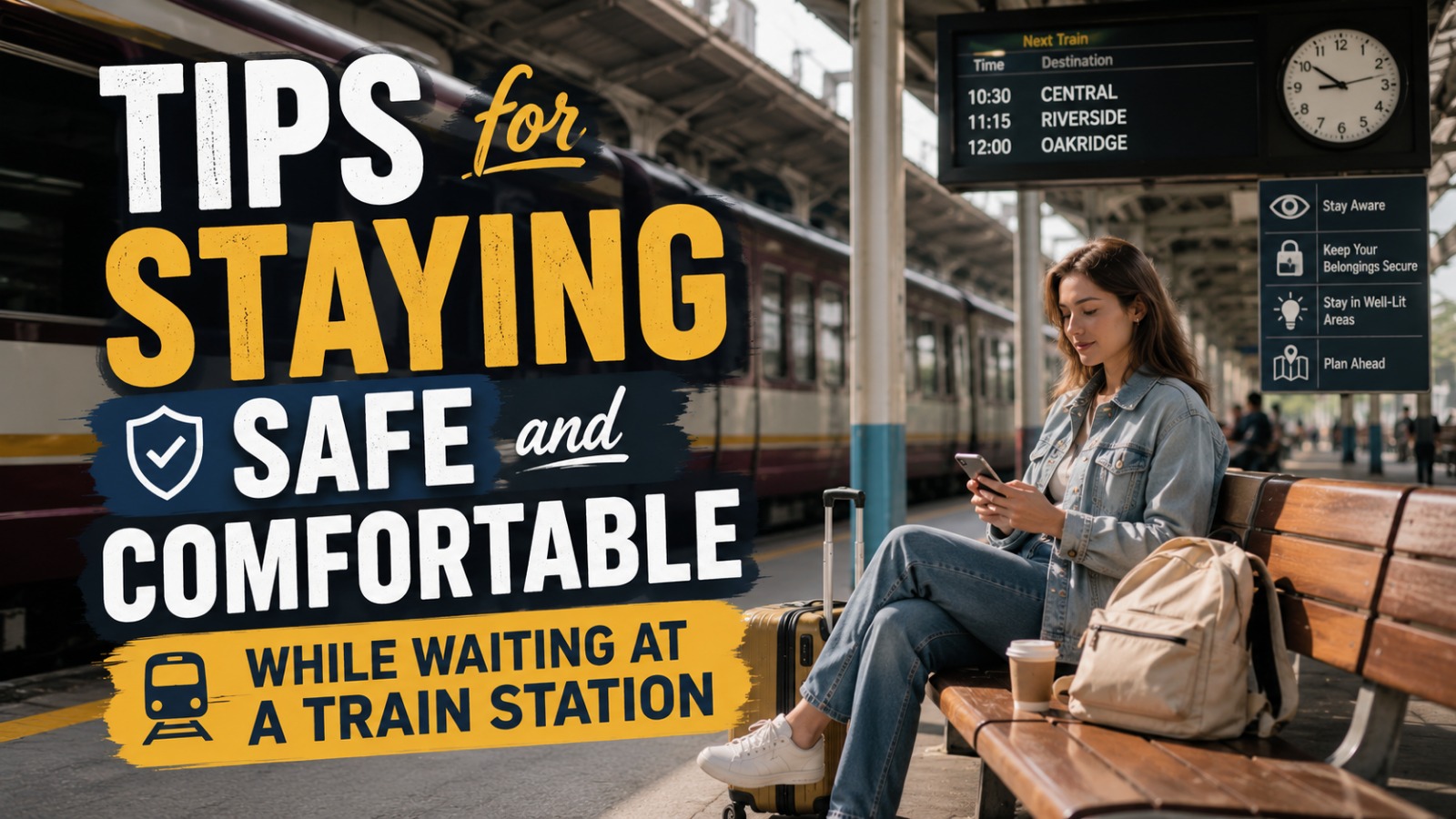
Waiting for a train can sometimes take longer than expected, especially when there are delays or busy passenger periods. A good preparation can make the waiting experience safer, more comfortable, and less stressful. Passengers should pay attention to their belongings, station announcements, and platform conditions while waiting. Simple habits can help prevent accidents and reduce the risk of losing personal items. By following basic safety rules, passengers can enjoy a more pleasant journey.
ARRIVE AT THE STATION EARLY
Arriving at the station early is one of the easiest ways to reduce travel stress. Passengers should allow enough time to enter the station, check their tickets, find the correct platform, and prepare for boarding. Arriving early also gives travelers more time to respond if there is a schedule or platform change. Rushing through a station can increase the risk of accidents or forgotten belongings. For this reason, checking the recommended arrival time before traveling is a useful habit.
Passengers should also check their train information before leaving home. Confirming the departure time, station name, train number, and destination can prevent unnecessary confusion. At larger stations, reaching the correct platform may take several minutes because of the station's size. Having the necessary ticket or digital boarding information ready can make the process faster. Early preparation allows passengers to wait calmly instead of rushing at the last minute.
STAY IN DESIGNATED WAITING AREAS
Passengers should wait in designated waiting areas whenever possible. These areas are generally designed to provide seating and keep passengers away from potentially dangerous operational zones. Avoid sitting or standing in restricted areas, railway tracks, or places marked for staff only. Following station signs helps passengers identify where they are allowed to wait. Staying in the correct area is particularly important when the station becomes crowded.
Passengers should also remain behind the safety line on the platform. The area near the edge can be dangerous, especially when a train is arriving or passing through the station. Never stand too close to the platform edge while using a phone or talking with other passengers. Parents and guardians should also keep children close and supervise their movements. Simple awareness can significantly reduce the risk of accidents.
KEEP PERSONAL BELONGINGS SECURE
Keeping personal belongings secure is another important part of safe travel. Passengers should keep wallets, phones, identification documents, tickets, and other valuable items in a secure location. Bags should remain within sight and reach while waiting at the station. Avoid leaving luggage unattended, even for a short period. If a valuable item is lost, passengers should immediately contact station staff or the appropriate lost-and-found service.
When carrying several bags, travelers should regularly check that everything is still with them. Backpacks can be placed in front of the body in crowded areas to make them more difficult for others to access. Important documents should be stored separately from other items when possible. Passengers should also avoid displaying large amounts of cash or expensive belongings unnecessarily. These simple precautions can reduce the risk of theft or accidental loss.
PAY ATTENTION TO STATION ANNOUNCEMENTS
Station announcements provide important information about train departures, delays, platform changes, and other operational conditions. Passengers should listen carefully and check electronic information displays while waiting. Information can sometimes change shortly before a train arrives. Relying only on the information seen when first entering the station may therefore lead to mistakes. Staying updated helps passengers reach the correct platform at the right time.
Mobile phones can be useful for checking schedules, but passengers should not become completely distracted by their screens. Keep the volume at a reasonable level so important announcements can still be heard. If an announcement is unclear, passengers can ask station staff for confirmation. Official station information should be prioritized over unverified information from other passengers or social media. This can prevent confusion during delays or unexpected changes.
USE YOUR WAITING TIME WISELY
Waiting at a train station does not have to be uncomfortable or unproductive. Passengers can use the time to read, listen to music, organize their schedule, or respond to important messages. However, entertainment should not completely distract travelers from their surroundings. Keep one ear available for important announcements if using headphones. It is also useful to check the train status periodically.
Passengers should choose a comfortable but safe place to sit if seating is available. Drinking water can help maintain comfort during longer waiting periods, especially after traveling to the station. If the waiting time becomes long because of a delay, passengers can use available station facilities such as restrooms, food areas, or charging stations. Before leaving the waiting area, always confirm the current train information. This balance between comfort and awareness can make waiting more enjoyable.
BE CAREFUL IN CROWDED AREAS
Crowded stations require extra attention because people move in different directions and personal space can become limited. Passengers should walk carefully and avoid suddenly stopping in busy pathways. Keep bags close to the body and avoid blocking entrances, stairs, escalators, or other passenger routes. When moving with luggage, make sure it does not create a hazard for other travelers. Staying aware of the surrounding environment can help prevent collisions and falls.
Passengers should also be patient when boarding or leaving trains. Allow passengers to exit before attempting to enter the train. Pushing or rushing can cause injuries, especially around doors and platforms. If the station becomes extremely crowded, following staff instructions is important. Good passenger behavior contributes to a safer environment for everyone.
FOLLOW STATION SAFETY RULES
Every station may have specific rules designed to protect passengers and railway operations. These rules can cover platform behavior, smoking restrictions, luggage, restricted areas, and emergency procedures. Passengers should read signs and follow instructions from station personnel. Ignoring safety regulations can put both the individual and other passengers at risk. Safety rules should always take priority over convenience.
Emergency information is also useful to know before traveling. Passengers should be aware of the location of emergency exits, help points, and station staff if these facilities are available. In an emergency, remain calm and follow official instructions rather than creating unnecessary panic. Do not enter restricted areas unless directed by authorized personnel. Being familiar with basic emergency procedures can help passengers respond more effectively when unexpected situations occur.
CONCLUSION
Staying safe and comfortable while waiting at a train station requires preparation, awareness, and responsible behavior. Arriving early, remaining in designated areas, protecting personal belongings, and paying attention to announcements can prevent many common problems. Passengers should also remain alert when using phones, headphones, or other devices while waiting. Following station rules and staff instructions is essential, particularly during crowded conditions or unexpected delays. With these simple habits, waiting for a train can become a safer, calmer, and more comfortable part of the journey.
Tentang Penulis
Gusti Ayu Tita P
Penulis — Universitas STEKOM
Penulis aktif yang berfokus pada isu-isu akademik, teknologi pendidikan, dan pengembangan sumber daya manusia di lingkungan kampus.