Tips For Using Preloved Items To Support A Frugal Lifestyle
Gusti Ayu Tita P
24 Agustus 2026
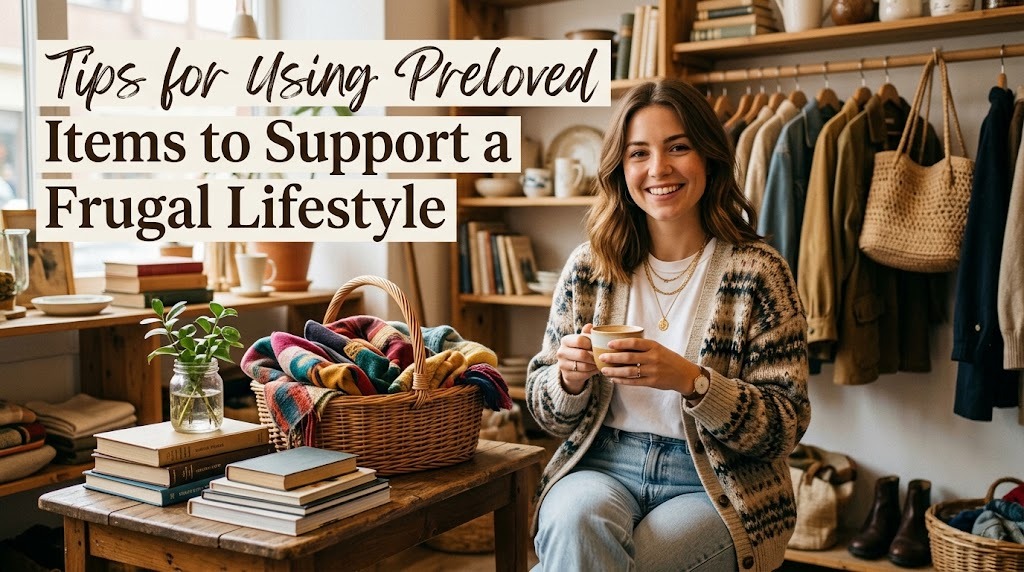
Using preloved items can be a practical way to manage personal finances without giving up useful products. A frugal lifestyle is not simply about spending as little as possible, but about making thoughtful choices based on needs and value. Secondhand products can help reduce unnecessary expenses when selected carefully. With consistent habits, preloved shopping can become part of a more efficient and responsible lifestyle.
PRIORITIZE NEEDS OVER WANTS
Before buying any preloved product, ask yourself whether you really need the item. A low price can make an unnecessary purchase seem attractive even when you already own something similar. Creating a clear distinction between needs and wants can prevent impulsive spending. This habit is an important foundation of a frugal lifestyle.
Make a simple list of items you actually need before browsing secondhand marketplaces. Focus on products that solve a specific problem or support an existing activity. This approach helps you use Frugal Spending as a financial strategy rather than simply buying because something is cheap.
SET A REALISTIC SPENDING BUDGET
A budget can help control how much money you spend on preloved products. Determine a maximum amount before starting your search and avoid exceeding it without a strong reason. Include potential expenses such as shipping, cleaning, repairs, and replacement accessories in your calculation. A low product price does not always mean the total cost will be low.
Keep records of your purchases so you can see how much you spend over time. Reviewing your spending habits can reveal whether your secondhand purchases are actually helping your financial goals. Good Budget Control allows you to enjoy preloved shopping without creating unnecessary financial pressure.
CHOOSE DURABLE AND USEFUL PRODUCTS
The cheapest item is not always the best choice for a frugal lifestyle. Focus on products that are durable, functional, and suitable for long-term use. A slightly more expensive secondhand item may provide better value if it lasts much longer than a cheaper alternative. Consider quality and expected lifespan before making a decision.
Inspect the product carefully and ask about its previous use. Avoid buying items with serious defects simply because they have a very low price. Choosing Durable Products helps reduce the need for frequent replacements and can save money in the long run.
MAINTAIN THE ITEMS PROPERLY
Once you buy a preloved product, take care of it so that it remains useful for as long as possible. Clean the item according to its material and store it in an appropriate environment. Regular maintenance can prevent small problems from becoming expensive repairs. Good care also preserves the product's appearance and functionality.
Try to use each item according to its intended purpose. Avoid unnecessary modifications or rough handling that could shorten its lifespan. Proper Item Maintenance supports frugal living because you can continue using products instead of replacing them too frequently.
REUSE AND REPURPOSE PRODUCTS
Preloved items do not always need to be used exactly as they were originally intended. Some products can be reused, repaired, or repurposed for another practical purpose. For example, old furniture can sometimes be refreshed with simple repairs or new finishes. Clothing can also be altered or reused for different activities when appropriate.
Before throwing away an item with minor damage, consider whether it can still serve another function. Creative reuse can reduce waste and delay the need to buy new products. Practicing Product Reuse can therefore support both financial efficiency and more responsible consumption.
BUY WITH LONG-TERM VALUE IN MIND
A frugal lifestyle focuses on the total value a product provides over time. Before purchasing, consider how often you will use the item, how long it may last, and whether it can meet your needs effectively. A product that costs slightly more but lasts several years may be financially better than a cheaper product that quickly becomes unusable.
Think beyond the initial purchase price and consider maintenance, repairs, accessories, and replacement costs. This broader evaluation can help you make more practical decisions. Focusing on Long Term Value makes preloved shopping more purposeful and financially beneficial.
CONCLUSION
Preloved items can support a frugal lifestyle when they are purchased and used thoughtfully. By prioritizing needs, controlling budgets, choosing durable products, maintaining items, reusing goods, and considering long-term value, you can reduce unnecessary spending. Frugal living is about using resources wisely rather than simply choosing the cheapest option. With good habits, preloved shopping can become an effective part of responsible financial management.
Tentang Penulis
Gusti Ayu Tita P
Penulis — Universitas STEKOM
Penulis aktif yang berfokus pada isu-isu akademik, teknologi pendidikan, dan pengembangan sumber daya manusia di lingkungan kampus.