Tips for Visiting Historic Tombs Respectfully and Responsibly
Gusti Ayu Tita P
4 September 2026
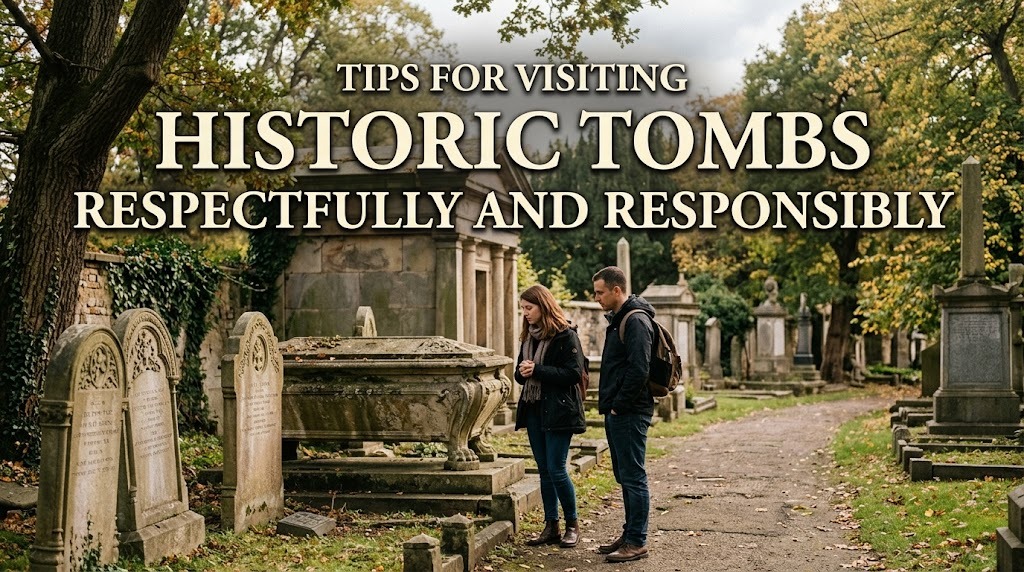
Visiting historic tombs can be a meaningful way to learn about history, culture, and the people of the past. These sites often contain valuable architectural features, inscriptions, traditions, and stories connected to a community. However, visitors need to understand that historic tombs may also be sacred or sensitive places. Responsible behavior helps protect the site while showing respect to the people, traditions, and communities connected to it.
UNDERSTANDING THE VALUE OF HISTORIC TOMBS
Before visiting a historic tomb, it is useful to learn about its historical background. Information about the person buried there, the age of the site, local traditions, and its cultural significance can help visitors behave appropriately. Understanding the site's background also makes the visit more educational and meaningful.
Some historic tombs are protected as cultural heritage sites, while others remain important religious or community spaces. Visitors should recognize that each location can have different rules and customs. Learning about these differences before arriving can prevent accidental disrespect or inappropriate behavior.
FOLLOWING SITE RULES AND LOCAL CUSTOMS
Every historic site may have specific visitor regulations designed to protect its structures and cultural value. Visitors should follow instructions about opening hours, restricted areas, photography, clothing, noise, and appropriate conduct. Signs, staff members, guides, and local authorities can provide useful information about these requirements.
Local customs should also be respected, especially when a tomb is located in a religious or traditional setting. Visitors may need to remove footwear, dress modestly, avoid certain areas, or follow particular rituals depending on the location. Respecting local traditions demonstrates consideration for the community that continues to care for the site.
PROTECTING HISTORIC STRUCTURES
Historic tombs can be fragile because many have survived for decades, centuries, or even longer. Visitors should never touch, climb, scratch, lean against, or move parts of historic structures unless explicitly permitted. Even seemingly harmless contact can contribute to deterioration over time.
Visitors should also avoid removing stones, objects, plants, soil, or other materials from the site. Taking souvenirs from a heritage location can damage its historical value and may violate local laws. Keeping the site clean and leaving everything in its original position are simple but important forms of heritage preservation.
TAKING PHOTOGRAPHS RESPONSIBLY
Photography can help document a visit and introduce others to historic places. However, visitors should check whether photography is permitted and whether there are restrictions on flash, tripods, drones, or specific areas. Photographs should never interfere with ceremonies, worship, research activities, or other visitors.
Social media users should also provide appropriate context when sharing images. Avoid making jokes, creating disrespectful poses, or treating sacred burial places purely as entertainment. Responsible photography can support historical education when images are shared respectfully and accurately.
RESPECTING PEOPLE AND THE SURROUNDING COMMUNITY
Historic tombs can remain meaningful to families, religious groups, and local communities. Visitors should avoid loud conversations, disruptive behavior, inappropriate clothing, or activities that could disturb people who are visiting for personal or religious reasons. Respect for local communities is an essential part of responsible heritage tourism.
When local guides or community members provide information, visitors should listen respectfully and avoid making assumptions about traditions they do not understand. Supporting legitimate local guides and community-based heritage activities can also contribute to the site's protection. Responsible tourism should benefit both heritage conservation and the people who care for the site.
PRACTICING RESPONSIBLE HERITAGE TOURISM
A responsible visit begins before entering the historic site and continues after leaving it. Visitors should research the location, prepare appropriately, follow regulations, protect the environment, and respect cultural practices. They should also consider using reliable historical sources when sharing information about the site with others.
Responsible tourism helps ensure that historic tombs remain available for future generations. Small actions such as following rules, avoiding physical contact, disposing of waste properly, and respecting local customs can make a significant difference. When visitors treat these places with care, tourism can become a positive tool for education and heritage protection.
CONCLUSION
Visiting historic tombs responsibly requires more than simply observing an old burial place. Visitors should understand the site's significance, follow regulations, respect local customs, protect historic structures, and behave appropriately around local communities. Responsible heritage tourism allows people to learn from the past without causing unnecessary damage or disrespect. By practicing good visitor habits, everyone can help preserve historic tombs for education, cultural appreciation, and future generations.
Tentang Penulis
Gusti Ayu Tita P
Penulis — Universitas STEKOM
Penulis aktif yang berfokus pada isu-isu akademik, teknologi pendidikan, dan pengembangan sumber daya manusia di lingkungan kampus.