Tips For Youngest Children To Build Independence Without Always Relying On Family
Gusti Ayu Tita P
7 September 2026
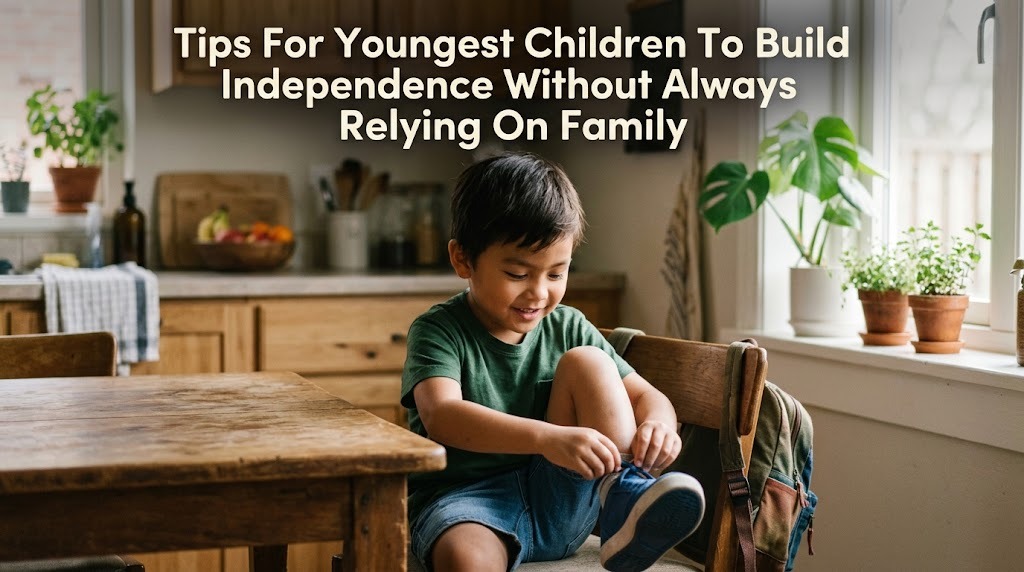
Growing up as the youngest child can provide a different family experience. Parents and older siblings may sometimes provide extra assistance, protection, or attention because the youngest member is often considered the one who needs more support. While family support is valuable, learning to become independent is also important for personal growth and future success.
Independence does not mean refusing help from family or handling every problem alone. Instead, it means developing the ability to make decisions, take responsibility, and solve manageable problems without always depending on others. Youngest children can build independence gradually through simple habits and consistent practice.
START WITH SIMPLE RESPONSIBILITIES
Building independence does not need to begin with difficult challenges. Youngest children can start by taking responsibility for simple daily activities, such as organizing personal belongings, completing school assignments, or preparing things they need. These small responsibilities can teach them to rely more on their own abilities. Simple habits can become the foundation of stronger independence over time.
Parents and older siblings can provide guidance when necessary without immediately taking over the task. Giving children enough space to complete manageable responsibilities allows them to experience the process themselves. Even if they make mistakes, those experiences can become valuable lessons. Responsibility grows when children are given opportunities to do things independently.
LEARN TO MAKE YOUR OWN DECISIONS
Decision-making is an important part of becoming independent. Youngest children can begin by making simple choices about their activities, study routines, hobbies, or personal goals. They should also learn to consider the possible consequences before making a decision. Learning to make appropriate decisions can increase confidence and personal responsibility.
Parents can support this process by discussing options instead of always choosing on behalf of the child. When children are allowed to think about different possibilities, they learn how to evaluate situations. They may not always make the best decision, but mistakes can provide opportunities for learning. Good decision-making develops through experience, reflection, and practice.
TRY SOLVING PROBLEMS BEFORE ASKING FOR HELP
Asking for help is completely normal, especially when facing a difficult situation. However, youngest children can develop independence by trying to find a solution before immediately asking someone else to solve the problem. They can identify what is wrong, think about possible solutions, and choose an appropriate approach. This process strengthens problem-solving skills and self-confidence.
If the problem remains difficult, asking for guidance is still a good choice. The important difference is between asking someone to teach or guide them and expecting someone else to do everything. Youngest children can learn from the assistance they receive and apply that knowledge in future situations. Learning from help can eventually reduce unnecessary dependence on others.
DEVELOP GOOD TIME MANAGEMENT
Managing time independently is an important skill for school, college, and future careers. Youngest children can create their own schedules for studying, completing assignments, relaxing, and participating in activities. Having a clear routine can help them understand their responsibilities without constantly being reminded. Good time management can make daily activities more organized and productive.
They can also learn to prioritize tasks according to importance and deadlines. Difficult or urgent tasks can be completed first, while less important activities can be scheduled later. This habit helps children understand that independence also requires discipline. Being responsible for personal time can prepare youngest children for greater responsibilities in the future.
BUILD CONFIDENCE THROUGH EXPERIENCE
Confidence is closely connected to independence. When youngest children successfully complete tasks on their own, they gain evidence that they are capable of handling responsibilities. These achievements do not need to be large. Small successes can gradually strengthen confidence and encourage children to take on new challenges.
Children should also understand that making mistakes does not mean they are incapable. Mistakes are part of the learning process and can show what needs to be improved. Instead of avoiding challenges because of fear of failure, youngest children can learn to evaluate their experiences and try again. Confidence becomes stronger when it is built through real experience rather than constant praise alone.
BALANCE FAMILY SUPPORT WITH PERSONAL RESPONSIBILITY
Family support remains important even when a child is learning to become independent. Youngest children do not need to distance themselves from parents or siblings in order to become self-reliant. Instead, they can maintain healthy relationships while taking greater responsibility for their own choices and tasks. Independence and family support can exist together in a healthy way.
Parents and older siblings can encourage this development by providing opportunities rather than doing everything for the youngest child. They can offer advice, listen to concerns, and provide assistance when truly needed. At the same time, children should be encouraged to take ownership of their responsibilities. The goal is not to eliminate support, but to gradually reduce unnecessary dependence.
CONCLUSION
Youngest children can develop independence through simple and consistent habits. Taking responsibility, making decisions, solving problems, managing time, building confidence, and balancing family support with personal responsibility are important steps toward becoming more self-reliant.
Being the youngest child does not mean someone must always depend on their family. With encouragement and opportunities to handle responsibilities, they can become increasingly confident and capable. Independence is a skill that develops gradually, and every small step can prepare youngest children for greater challenges in education, daily life, and future careers.
Tentang Penulis
Gusti Ayu Tita P
Penulis — Universitas STEKOM
Penulis aktif yang berfokus pada isu-isu akademik, teknologi pendidikan, dan pengembangan sumber daya manusia di lingkungan kampus.