Tips on How to Adapt to College Life for New Students Without Feeling Overwhelmed
Gusti Ayu Tita P
3 Agustus 2026
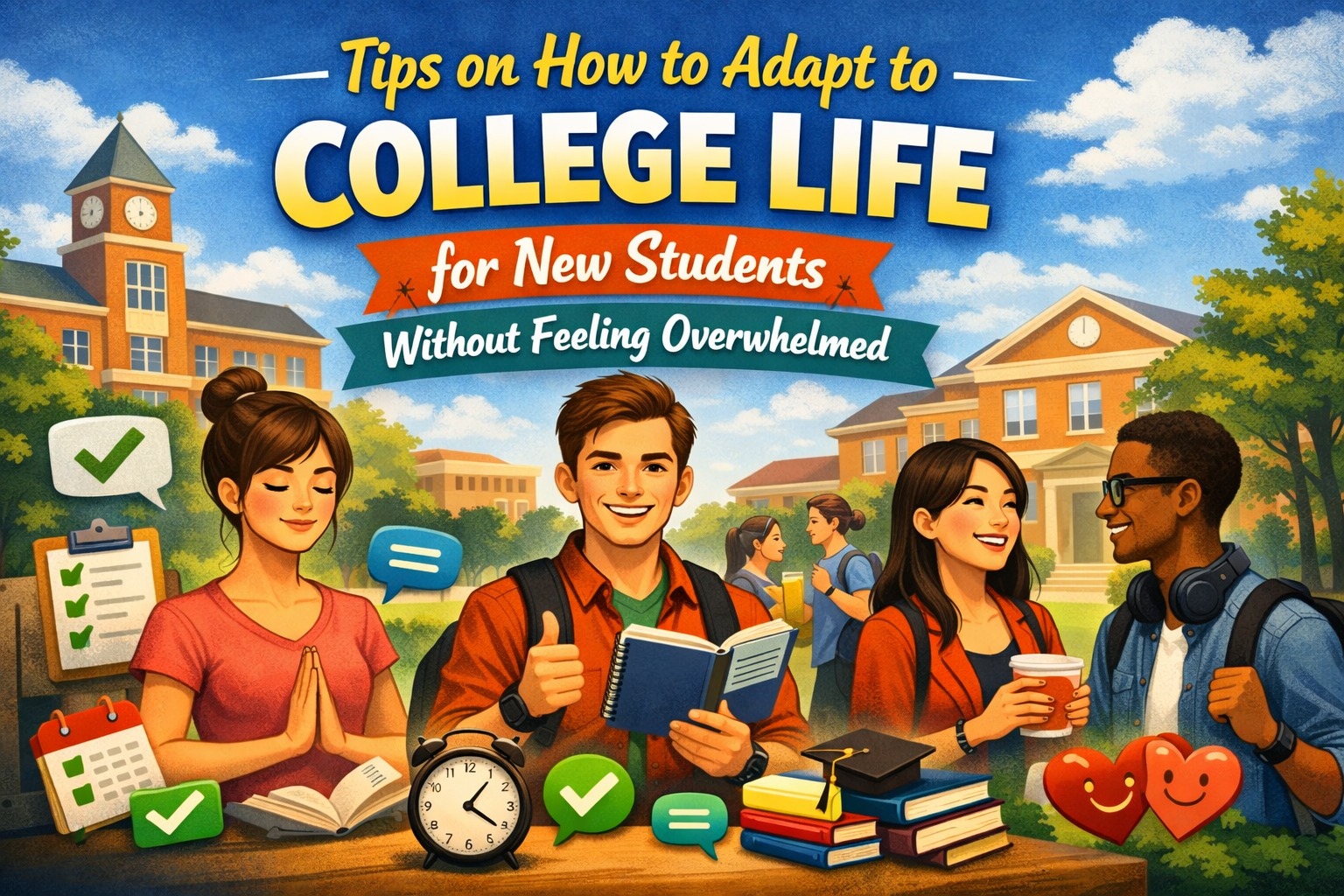
Starting college is an exciting milestone, but it can also be challenging for many new students. The transition from high school to college often brings new responsibilities, academic expectations, and social environments. Without proper preparation, students may feel stressed, confused, or overwhelmed during their first months on campus. Fortunately, adapting to college life can become much easier with the right mindset and practical strategies.
UNDERSTAND THAT ADJUSTMENT TAKES TIME
One of the most important things new students should remember is that adapting to college life does not happen overnight. Every student experiences a different adjustment process depending on their personality, background, and circumstances. It is normal to feel nervous, homesick, or uncertain during the first few weeks.
Instead of expecting immediate success, focus on gradual progress. Give yourself time to learn campus routines, understand academic requirements, and build confidence. Accepting that adaptation is a process can reduce unnecessary pressure and help you stay motivated throughout your college journey.
CREATE A REALISTIC STUDY SCHEDULE
College often requires students to manage their own time more independently than in high school. Assignments, projects, exams, and extracurricular activities can quickly become overwhelming if not organized properly. Creating a realistic study schedule helps you stay productive while avoiding last-minute stress.
Set aside specific hours each day for studying, reviewing notes, and completing assignments. Make sure to include breaks and personal time to maintain balance. A well-planned routine allows students to stay on track academically without sacrificing their physical and mental well-being.
BUILD HEALTHY RELATIONSHIPS ON CAMPUS
Making friends and building connections can significantly improve the college experience. Having a supportive social circle provides emotional encouragement and helps students feel more comfortable in a new environment. Do not hesitate to introduce yourself to classmates, roommates, or members of student organizations.
Participating in campus activities is also a great way to meet people with similar interests. Strong friendships can make challenges feel more manageable and create a sense of belonging. Remember that many students are looking for new friends as well, so taking the first step is often worth it.
LEARN TO MANAGE STRESS EFFECTIVELY
College life comes with various responsibilities that can sometimes lead to stress. Academic deadlines, financial concerns, and personal adjustments may create pressure if not handled properly. Learning healthy stress-management techniques is essential for long-term success.
Activities such as regular exercise, deep breathing, adequate sleep, and mindfulness practices can help reduce stress levels. It is also important to recognize when you need support. Speaking with friends, family members, mentors, or campus counselors can provide valuable guidance during difficult times.
TAKE ADVANTAGE OF CAMPUS RESOURCES
Most colleges offer a variety of resources designed to help students succeed academically and personally. These may include tutoring centers, academic advisors, counseling services, career development offices, and library support. Many students overlook these resources simply because they are unaware of their availability.
Seeking help is a sign of responsibility, not weakness. Utilizing campus resources can improve academic performance, solve personal challenges, and make the transition to college smoother. Students who actively use available support systems often adapt more quickly and confidently.
MAINTAIN A HEALTHY LIFESTYLE
Physical health plays a major role in academic performance and emotional well-being. New students sometimes neglect healthy habits due to busy schedules or newfound independence. However, poor sleep, unhealthy eating patterns, and lack of exercise can negatively affect concentration and energy levels.
Prioritize balanced nutrition, consistent sleep schedules, and regular physical activity. Even small healthy habits can make a significant difference in daily performance. Taking care of your body helps you stay focused, motivated, and prepared for college challenges.
SET REALISTIC EXPECTATIONS FOR YOURSELF
Many new students place excessive pressure on themselves to achieve perfect grades, make numerous friends, and excel in every activity. While ambition is valuable, unrealistic expectations can lead to disappointment and burnout. Success in college is often built through continuous learning and personal growth.
Focus on achievable goals and celebrate small accomplishments along the way. Allow yourself to make mistakes and learn from them. A balanced perspective can help reduce anxiety and create a more enjoyable and rewarding college experience.
CONCLUSION
Adapting to college life is a journey that requires patience, planning, and self-awareness. By creating effective routines, building supportive relationships, managing stress, utilizing campus resources, maintaining healthy habits, and setting realistic expectations, new students can navigate this transition successfully. College offers countless opportunities for growth, learning, and self-discovery. With the right approach, students can enjoy their college experience without feeling overwhelmed and build a strong foundation for future success.
Tentang Penulis
Gusti Ayu Tita P
Penulis — Universitas STEKOM
Penulis aktif yang berfokus pada isu-isu akademik, teknologi pendidikan, dan pengembangan sumber daya manusia di lingkungan kampus.