Tips To Avoid Scams Using The Name Of Social Assistance Programs
Gusti Ayu Tita P
1 September 2026
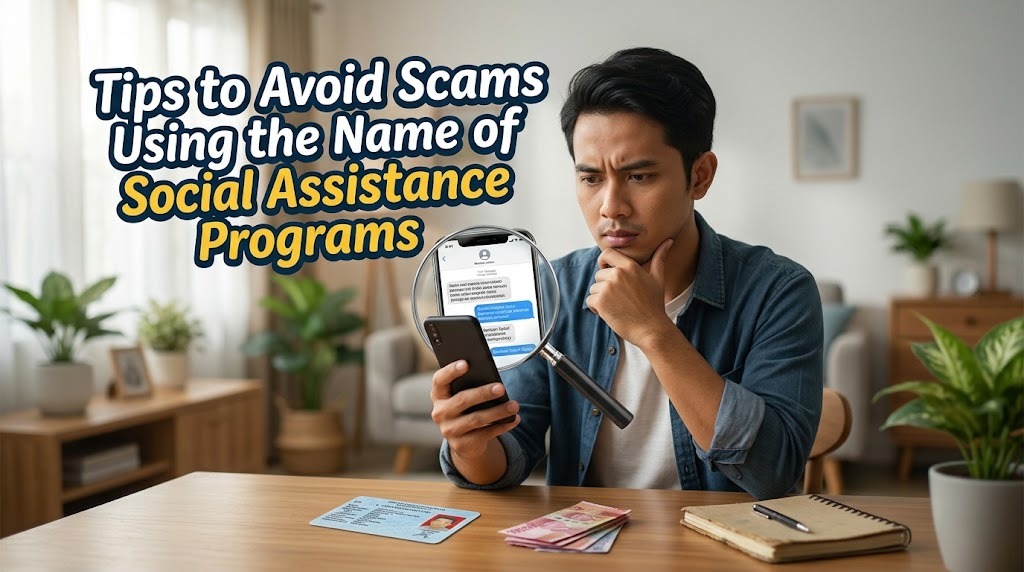
Social Assistance Scams are fraudulent activities that use the name of government assistance programs to deceive people. Scammers may claim that someone has been selected as a recipient or needs to complete a registration process. They can contact potential victims through text messages, social media, phone calls, or suspicious websites. Some scams ask for money before assistance can be received. Others attempt to collect personal or financial information.
Scammers often make their messages look urgent or official. False Information may include fake registration deadlines, unrealistic payment promises, or claims of guaranteed approval. People may feel pressured to respond quickly without checking the information first. Taking time to verify a claim can prevent many problems. Never assume that a message is legitimate simply because it uses government logos or formal language.
VERIFY INFORMATION THROUGH OFFICIAL CHANNELS
One of the safest ways to avoid fraud is to verify Official Information through trusted government sources. Do not rely only on a message, forwarded post, or social media account claiming to represent an assistance program. Search for information independently through an authorized government website or service. Compare the information with the official requirements and procedures. If the details do not match, treat the message with caution.
Be careful with links sent by unknown individuals. Official Channels generally provide clearer information about eligibility, registration, and verification procedures. Avoid entering identification numbers or other sensitive information on unfamiliar websites. If you are uncertain, contact the relevant government service directly. Independent verification is one of the simplest ways to identify suspicious offers.
DO NOT PAY FOR GUARANTEED ASSISTANCE
A major warning sign is a person asking for money in exchange for guaranteed social assistance. Fraudulent Payments may be described as registration fees, activation costs, administrative charges, or special processing fees. Scammers may claim that payment is necessary to ensure approval. Applicants should not automatically believe such claims. Always verify whether a payment is genuinely required through an official source.
Be particularly cautious when someone requests payment to a personal bank account or digital wallet. Payment Requests from unknown individuals should be treated as suspicious until independently verified. Legitimate government procedures should be based on established rules rather than personal promises. Never transfer money simply because someone claims to have inside access. If you are unsure, stop the transaction and seek official clarification.
PROTECT YOUR PERSONAL INFORMATION
Social assistance scams can also aim to collect Personal Information. Scammers may request identification numbers, family details, photographs of documents, banking information, passwords, or verification codes. Such information can potentially be misused for identity theft or other fraudulent activities. Only provide information through trusted and authorized services. Think carefully before sending copies of official documents to anyone.
Never share passwords or one-time verification codes with another person. Data Protection is especially important when receiving unexpected messages about government assistance. Even if the sender knows your name, that does not prove that they are an authorized official. Check the sender independently rather than using contact information provided in a suspicious message. Protecting personal information can significantly reduce the risk of fraud.
RECOGNIZE SUSPICIOUS MESSAGES
Learning to identify Suspicious Messages can help people avoid scams before becoming victims. Warning signs can include urgent language, unexpected links, requests for money, spelling inconsistencies, or promises of unusually large benefits. A message may also ask you to act immediately to avoid losing assistance. These tactics are often designed to make people react emotionally instead of checking the facts. Take time to investigate before responding.
Scammers may also imitate official names, logos, or communication styles. Fraud Warning signs should be taken seriously even when a message appears professional. Do not click unfamiliar links or download unexpected files. Instead, verify the information using an independently located official source. When in doubt, it is safer to ignore the message until its authenticity has been confirmed.
REPORT SUSPECTED FRAUD
If you encounter a suspected scam, preserve relevant information such as the message, phone number, website address, or payment details without putting yourself at further risk. Fraud Reporting can help the appropriate authorities understand and respond to suspicious activities. Use official reporting channels available in your area. If money or financial account information has already been involved, contact your financial service provider promptly. Acting quickly may help limit further damage.
You can also warn family members or other community members about suspicious schemes. Community Awareness can reduce the number of people who fall victim to the same scam. However, avoid publicly sharing sensitive personal information from the suspected scammer or victims. Focus on reporting through appropriate channels and sharing general warning signs. Collective awareness can make communities more resistant to fraudulent social assistance offers.
CONCLUSION
Avoiding social assistance scams requires careful verification and responsible handling of personal information. Never trust Social Assistance Scams that demand unexplained payments, promise guaranteed approval, or request sensitive information through suspicious channels. Always verify assistance information independently through official government sources.
Protecting Personal Information is equally important. Do not share passwords, verification codes, or unnecessary documents with unknown people. By recognizing suspicious messages, refusing questionable payment requests, and reporting suspected fraud, individuals can protect themselves while helping create greater community awareness.
Tentang Penulis
Gusti Ayu Tita P
Penulis — Universitas STEKOM
Penulis aktif yang berfokus pada isu-isu akademik, teknologi pendidikan, dan pengembangan sumber daya manusia di lingkungan kampus.