Tips to Help Only Children Avoid Feeling Lonely
Gusti Ayu Tita P
7 September 2026
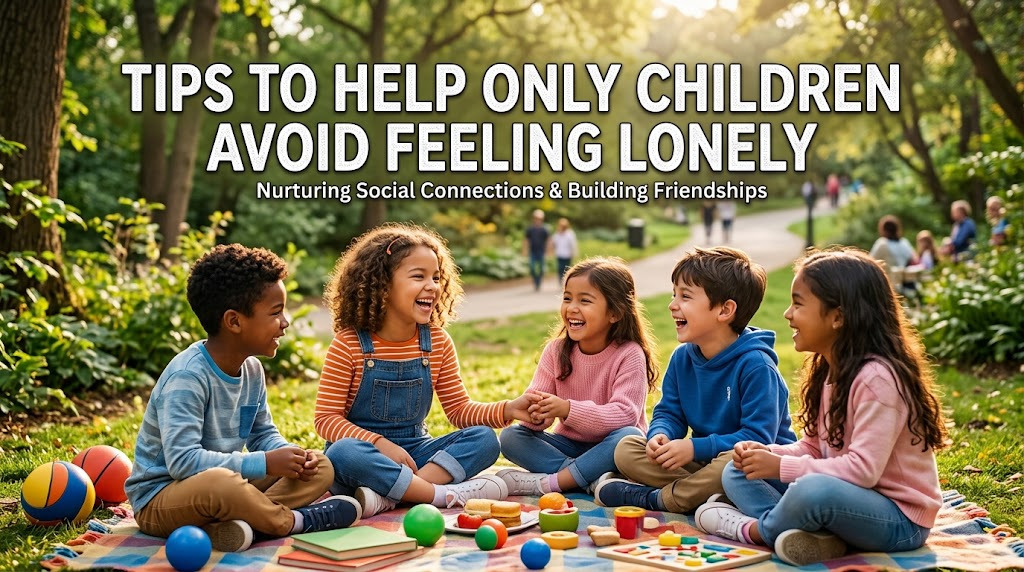
Being an only child can offer many positive experiences, such as receiving close attention from parents, developing independence, and having more opportunities to explore personal interests. However, some only children may occasionally experience loneliness, especially when they spend a lot of time alone or have limited opportunities to interact with children their age.
Feeling lonely does not automatically mean that being an only child is a disadvantage. Every child has different emotional and social needs, and personality, parenting style, school environment, friendships, and daily activities can influence how a child experiences loneliness. With the right support, parents can help an only child build meaningful relationships while also becoming comfortable with spending time independently.
UNDERSTANDING WHY ONLY CHILDREN MAY FEEL LONELY
Loneliness can happen when an only child does not have enough opportunities to interact with people who understand their experiences. Unlike children with siblings, an only child may not have someone their age at home to play with, talk to, or share everyday experiences. However, this does not mean that every only child will feel lonely. Loneliness is influenced more by social connection and emotional needs than by the number of children in a family.
Parents should pay attention to changes in the child's behavior rather than assuming that loneliness is always present. Becoming unusually quiet, losing interest in favorite activities, or avoiding social situations may indicate that a child needs more connection and support. Open conversations can help parents understand what the child is actually feeling. Listening without immediately judging or giving solutions can make children feel safe enough to express their emotions.
ENCOURAGING REGULAR SOCIAL INTERACTION
Regular interaction with other children can help an only child develop communication and relationship skills. Parents can arrange playdates, encourage visits with cousins, or provide opportunities to spend time with classmates outside school. Simple activities such as playing games, doing crafts, or studying together can create valuable social experiences. Consistent social interaction can reduce feelings of isolation while strengthening confidence.
Social activities do not have to involve large groups because some children feel more comfortable in smaller settings. A child who prefers quiet environments may enjoy spending time with one close friend rather than attending a crowded event. Parents should consider the child's personality when choosing activities. The goal is to create meaningful connections, not to force the child to become highly social.
BUILDING MEANINGFUL FRIENDSHIPS
Helping an only child develop meaningful friendships can be more beneficial than simply increasing the number of people they meet. Children can learn important lessons through friendship, including empathy, communication, compromise, and trust. Parents can support these relationships by providing a comfortable environment where children can invite friends to their home. This gives the child opportunities to practice social skills in a familiar setting.
Parents should also teach children that healthy friendships require mutual respect. An only child may need guidance on how to share attention, handle disagreements, and understand another person's feelings. Friendship is a learning process, and children will naturally make mistakes as they develop their social abilities. Rather than controlling every interaction, parents can provide guidance while allowing children to solve small conflicts independently.
CREATING QUALITY FAMILY TIME
Family relationships can provide important emotional support for an only child. Spending quality time together allows children to feel valued, heard, and connected to the people closest to them. Activities such as eating dinner together, taking walks, playing board games, or discussing the day's experiences can strengthen family bonds. Quality time does not always require expensive activities or elaborate plans.
Parents should focus on being emotionally present during family activities. Constantly checking phones or working while spending time together can make children feel that their presence is less important. Simple conversations can help parents discover their child's interests, concerns, and experiences. A strong parent-child relationship can give an only child a secure emotional foundation while they build relationships outside the family.
SUPPORTING HOBBIES AND GROUP ACTIVITIES
Hobbies can give only children opportunities to meet people who share similar interests. Sports clubs, music classes, art groups, science activities, and community programs can create natural opportunities for interaction. Children can develop friendships while learning new skills at the same time. Shared interests often make it easier for children to start conversations and develop connections.
Parents should allow children to participate in activities that genuinely interest them instead of choosing everything based on parental preferences. A child who enjoys drawing may prefer an art class, while another may feel more comfortable joining a sports team or technology club. Giving children choices can increase their motivation and confidence. At the same time, parents should avoid filling every hour with activities because children still need sufficient time for rest and personal exploration.
TEACHING CHILDREN TO ENJOY HEALTHY ALONE TIME
Helping an only child avoid loneliness does not mean keeping them constantly surrounded by other people. Children also need to learn how to enjoy healthy alone time without interpreting solitude as something negative. Reading books, drawing, listening to music, building something, or playing independently can encourage creativity and self-awareness. These activities can teach children that being alone can sometimes be peaceful and enjoyable.
The important difference is between choosing to spend time alone and feeling unwanted or disconnected. Parents can explain that everyone needs personal time, but everyone also needs meaningful relationships. Healthy independence and social connection should develop together. When children are comfortable with themselves, they may become more confident when entering new social environments.
RECOGNIZING EMOTIONAL NEEDS AND PROVIDING SUPPORT
Parents should create an environment where an only child feels comfortable discussing emotions without fear of being criticized. Asking simple questions such as how the child feels about school, friends, or activities can encourage regular communication. Parents should avoid dismissing statements such as "I feel lonely" because the emotion is meaningful even when the situation seems minor to adults. Emotional validation helps children understand that their feelings deserve attention.
If feelings of loneliness become persistent and begin affecting sleep, school performance, friendships, or daily activities, parents may consider seeking professional guidance. Support from teachers, school counselors, or qualified child development professionals can provide additional perspectives. Early attention can help children develop healthier emotional and social strategies. The purpose of support is not to label the child but to understand their needs and help them feel connected.
CONCLUSION
Being an only child does not automatically mean experiencing loneliness. Children can develop strong friendships, social skills, independence, and emotional confidence when they receive appropriate support from their families and communities. The most important factor is ensuring that children have opportunities to build meaningful relationships while also learning to enjoy their own company.
Parents can help by encouraging social interaction, supporting friendships, creating quality family time, and paying attention to emotional needs. At the same time, children should have enough freedom to discover their interests and develop independence. With balanced support, an only child can grow into a socially confident, emotionally healthy, and independent individual.
Tentang Penulis
Gusti Ayu Tita P
Penulis — Universitas STEKOM
Penulis aktif yang berfokus pada isu-isu akademik, teknologi pendidikan, dan pengembangan sumber daya manusia di lingkungan kampus.