Tips to Make Family Holidays More Educational and Meaningful
Gusti Ayu Tita P
1 September 2026
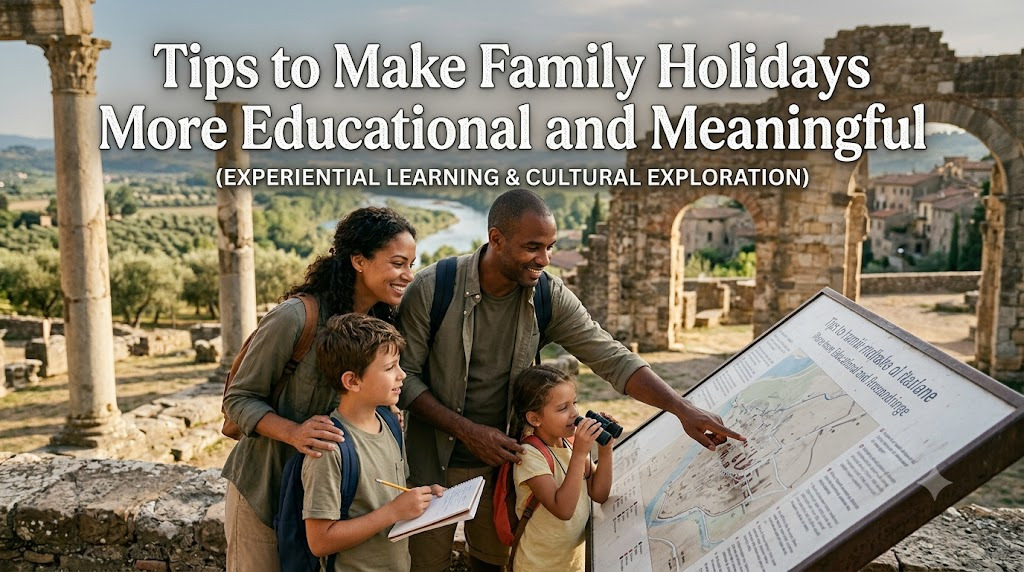
Family holidays are a great opportunity to relax, spend quality time together, and discover new experiences. With simple planning, parents can also turn a regular trip into an educational and meaningful holiday. Children can learn about nature, history, culture, science, and everyday life while enjoying activities with their families. The key is to balance educational experiences with relaxation and entertainment.
CHOOSE A DESTINATION THAT MATCHES CHILDREN’S INTERESTS
The right destination can make children more interested in learning during a family holiday. Parents can choose museums, science centers, historical sites, botanical gardens, cultural attractions, or nature parks based on the child's age and interests. A destination related to something children already enjoy can encourage them to explore more actively. This can make learning feel natural rather than forced.
Parents can involve children when choosing the destination. Give them a few suitable options and allow them to share their preferences. However, parents should still consider safety, cost, distance, and available facilities. Involving children in planning can make them more excited about the upcoming holiday.
CREATE INTERACTIVE LEARNING ACTIVITIES
Children often learn more actively when they can participate directly. During a holiday, parents can encourage them to observe, ask questions, try simple activities, take notes, or participate in educational programs. For example, children can identify plants during a nature walk or look for specific objects in a museum. These activities can make the trip more engaging.
Parents can also create simple games related to the destination. The activities should be enjoyable and appropriate for the child's age rather than feeling like school assignments. Give children enough freedom to explore and share their own ideas. Interactive experiences can help children remember what they discover during the trip.
USE THE JOURNEY AS A LEARNING OPPORTUNITY
Learning can begin before the family reaches the destination. Parents can talk about the history, geography, culture, or natural features of the place they are going to visit. Children can also be encouraged to look at maps or learn a few simple facts before the trip. This preparation can increase their curiosity about the destination.
During the journey, parents can have relaxed conversations about things they see along the way. For example, they can discuss different landscapes, local traditions, or interesting buildings. Avoid providing too much information at once. Simple conversations during travel can turn the journey itself into part of the educational experience.
TEACH RESPONSIBILITY AND RESPECT
Family holidays can help children develop responsibility through real-life situations. Depending on their age, they can help organize personal belongings, follow simple schedules, keep their items safe, and follow rules at destinations. These small responsibilities can teach children practical skills. Parents should provide guidance while allowing children to complete suitable tasks independently.
Travel also provides opportunities to teach respect for people, cultures, animals, and the environment. Children should learn not to litter, damage historical objects, disturb wildlife, or behave disrespectfully toward local communities. Parents can demonstrate these behaviors throughout the trip. Positive examples can help children understand responsibility through practical experience.
REFLECT ON THE HOLIDAY TOGETHER
The learning experience does not have to end when the family returns home. Parents can invite children to talk about their favorite activities, describe something new they learned, or create a simple travel journal. Younger children can draw pictures about their experiences, while older children can write short reflections. These activities can help them remember and organize what they discovered.
The discussion should be relaxed and enjoyable rather than treated as a test. Ask open questions and allow children to share their opinions freely. Families can also discuss what they would like to explore during their next holiday. Reflection can help turn temporary travel experiences into lasting knowledge and memories.
CONCLUSION
Family holidays can become more educational and meaningful by choosing suitable destinations, creating interactive activities, using the journey as a learning opportunity, teaching responsibility and respect, and reflecting on the experience afterward. These steps do not require expensive trips or complicated educational programs. What matters most is giving children opportunities to explore, ask questions, participate, and enjoy time with their families. With a balanced approach, a holiday can provide both valuable knowledge and memorable family experiences.
Tentang Penulis
Gusti Ayu Tita P
Penulis — Universitas STEKOM
Penulis aktif yang berfokus pada isu-isu akademik, teknologi pendidikan, dan pengembangan sumber daya manusia di lingkungan kampus.