Tips to Manage Your Emergency Fund Without Spending It Unnecessarily
Gusti Ayu Tita P
6 Agustus 2026
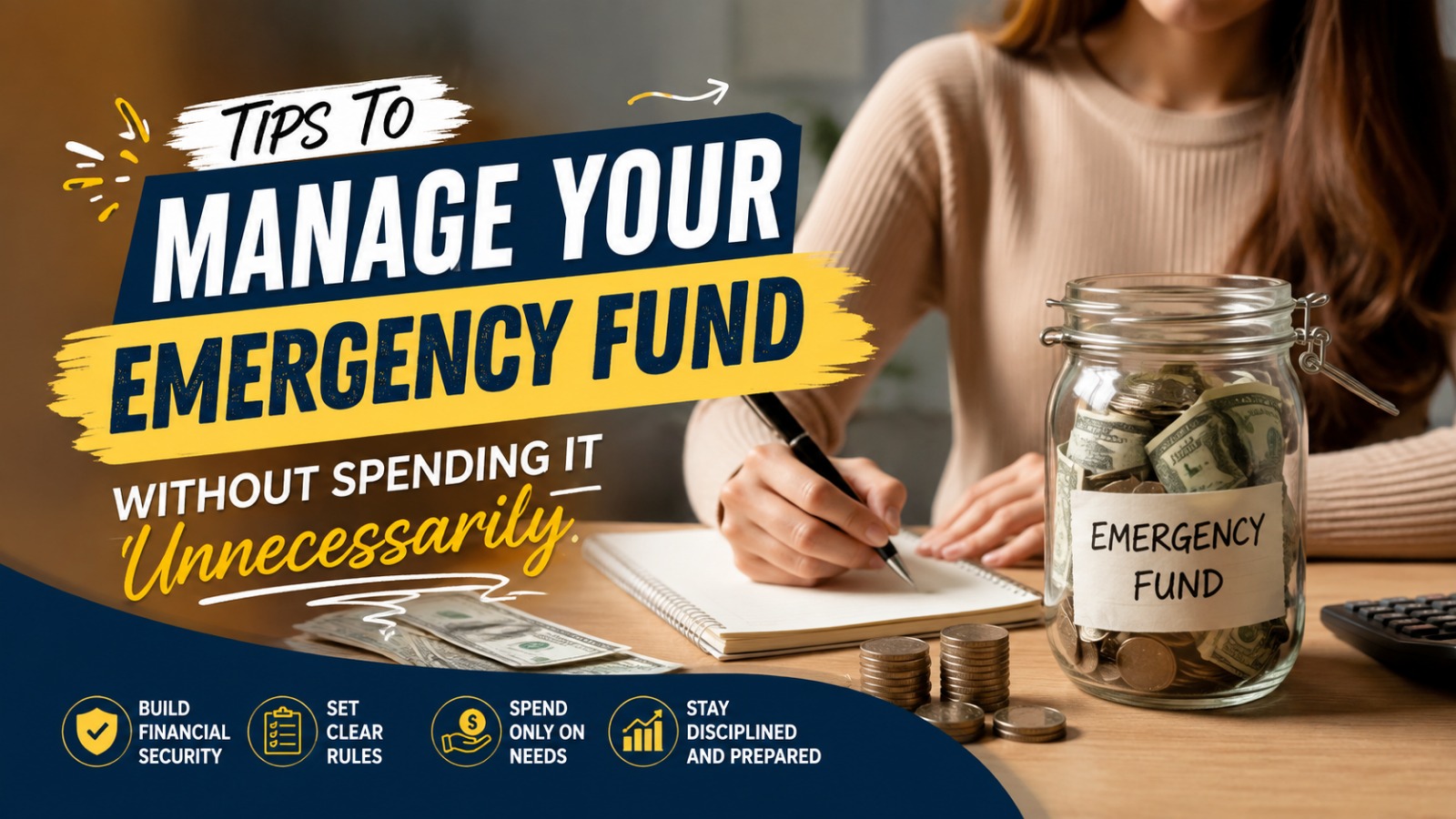
Having an emergency fund is an important step toward achieving financial stability. This fund is designed to protect your finances when unexpected situations happen, such as job loss, medical expenses, urgent repairs, or other sudden costs. However, many people struggle to keep their emergency savings untouched because they use it for unnecessary purchases or non-essential needs.
Managing an emergency fund properly requires discipline, clear financial goals, and a good understanding of when the money should be used. With the right strategy, you can ensure that your emergency fund remains available when you truly need it. This article will discuss practical tips to manage your emergency fund without spending it unnecessarily.
UNDERSTAND THE PURPOSE OF AN EMERGENCY FUND
An emergency fund is money specifically saved for unexpected financial situations, not for daily expenses or lifestyle improvements. Understanding its purpose helps you create a stronger mindset to protect the money from unnecessary spending. When you know that the fund exists as a financial safety net, you will be more careful before using it.
Many people make mistakes by treating emergency savings like regular savings that can be used anytime. This habit can reduce financial protection when a real emergency occurs. Therefore, it is important to separate your emergency fund from other accounts used for shopping, entertainment, or personal goals.
A clear understanding of the emergency fund function will help you build better money management habits. Always remind yourself that this money represents future security rather than immediate satisfaction. This simple mindset can prevent impulsive decisions and maintain your financial preparedness.
CREATE CLEAR RULES FOR USING YOUR EMERGENCY FUND
Creating specific rules is one of the best ways to prevent unnecessary withdrawals from your emergency fund. You should decide what situations qualify as real emergencies before you need to use the money. Examples include medical emergencies, unexpected unemployment, urgent home repairs, or essential transportation problems.
Non-essential expenses such as vacations, new gadgets, luxury items, or entertainment should not be paid using emergency savings. Having clear boundaries makes it easier to identify whether a financial situation is truly urgent. These rules also reduce emotional decisions when you feel tempted to spend the money.
You can create a simple checklist before accessing your emergency fund. Ask yourself whether the expense is unexpected, necessary, and cannot be delayed. If the answer is no, it is better to find another payment solution instead of reducing your emergency savings.
KEEP YOUR EMERGENCY FUND SEPARATE FROM DAILY MONEY
Keeping your emergency fund in a separate account can significantly reduce the temptation to spend it. When emergency savings are stored together with your daily spending account, you may see the balance as available money. This can encourage unnecessary purchases and make it harder to maintain your savings target.
A separate account creates a psychological barrier that helps you control your spending habits. You can choose a savings account that is safe, easily accessible during emergencies, and not connected to your everyday payment activities. This approach allows your emergency fund to grow without frequent interruptions.
Using a dedicated account is also useful for monitoring your financial progress. You can clearly track how much money has been saved and whether you have reached your target amount. This method supports better financial planning and encourages consistent saving behavior.
REVIEW YOUR FINANCIAL GOALS REGULARLY
Regularly reviewing your financial goals helps you stay committed to protecting your emergency fund. Your financial situation may change over time because of changes in income, expenses, family responsibilities, or personal priorities. By reviewing your goals, you can adjust your emergency savings plan based on your current needs.
A financial review also reminds you why building an emergency fund is important. When you see your progress, you are more motivated to continue saving instead of spending unnecessarily. This habit creates stronger awareness about the value of financial preparation.
You should evaluate your emergency fund at least several times a year. Check whether the amount is still enough to cover your essential expenses during difficult situations. Maintaining the right amount ensures that your financial protection remains effective.
BUILD SELF CONTROL TO AVOID UNNECESSARY SPENDING
Self-control plays an important role in protecting your emergency fund from unnecessary use. Many people spend their savings because of temporary emotions, such as stress, boredom, or the desire to follow trends. Developing better spending habits helps you make more rational financial decisions.
Before using your emergency fund, take time to evaluate your decision carefully. Avoid making withdrawals based only on short-term desires or emotional reactions. Practicing patience and prioritizing long-term financial security can help you maintain your savings.
You can also create a personal spending plan to reduce financial pressure. Managing your monthly budget properly allows you to handle regular expenses without depending on your emergency fund. Strong financial discipline will make your savings more reliable when unexpected problems occur.
CONCLUSION
Managing an emergency fund without spending it unnecessarily requires commitment, planning, and responsible financial habits. The main purpose of this fund is to provide protection during difficult situations, not to support unnecessary purchases. By understanding its purpose, creating usage rules, separating accounts, reviewing goals, and improving self-control, you can maintain your financial security.
A well-managed emergency fund gives you confidence when facing unexpected challenges. It reduces financial stress and helps you prepare for the future with greater stability. Start building good habits today so your emergency savings can continue to serve its true purpose.
Tentang Penulis
Gusti Ayu Tita P
Penulis — Universitas STEKOM
Penulis aktif yang berfokus pada isu-isu akademik, teknologi pendidikan, dan pengembangan sumber daya manusia di lingkungan kampus.