
Transforming Learning Strategies to Improve Sustainable Academic Performance
Gusti Ayu Tita P
1 April 2026
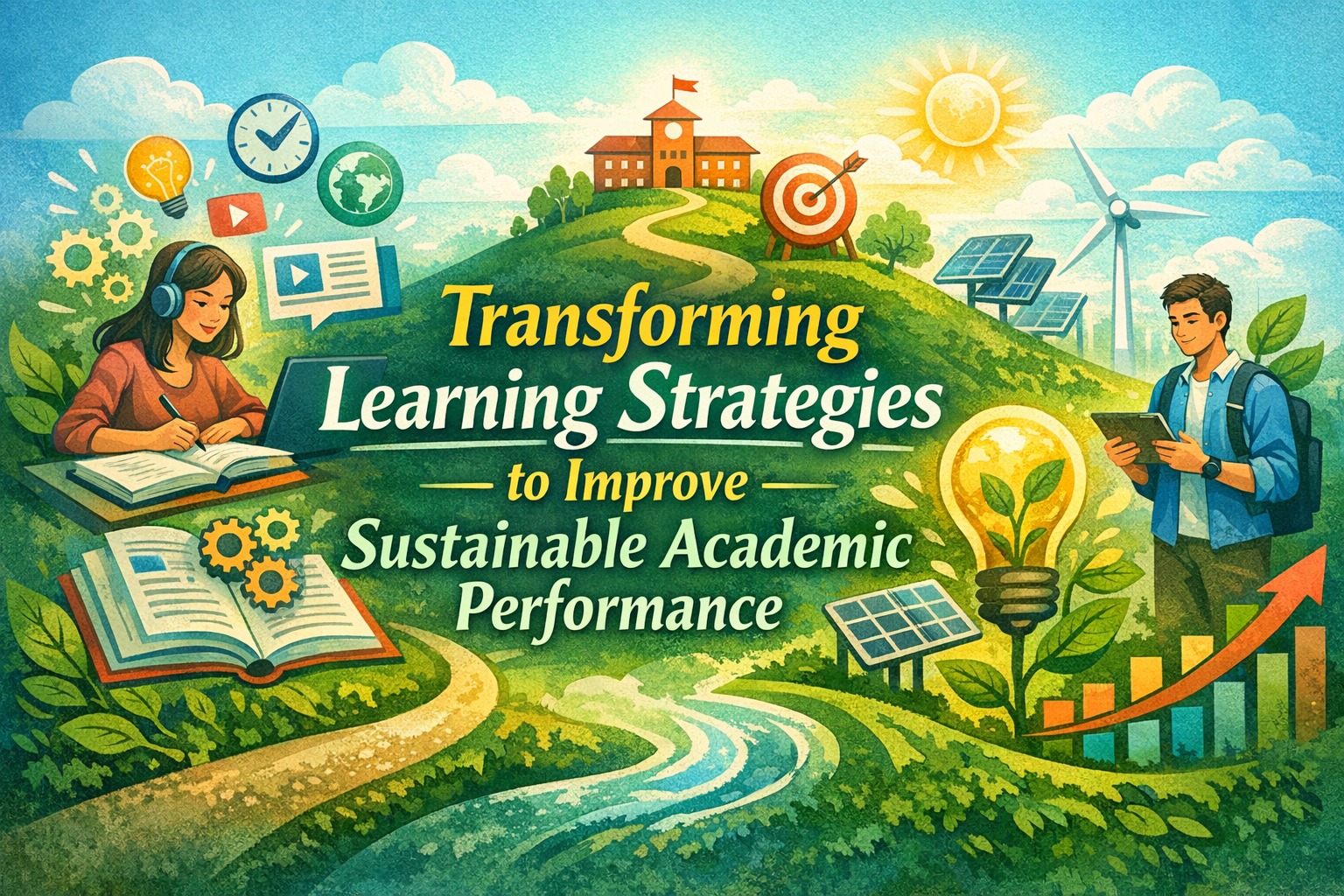
In an era defined by rapid change and information overload, traditional learning methods are no longer sufficient to ensure long-term academic success. Students are required to move beyond passive learning and adopt transformative strategies that promote sustainability in performance. Sustainable academic performance is not about short-term achievements but about maintaining consistent progress over time. This article explores how transforming learning strategies can help students achieve lasting academic excellence.
UNDERSTANDING SUSTAINABLE ACADEMIC PERFORMANCE
Sustainable academic performance refers to the ability to maintain high-quality learning outcomes consistently without experiencing burnout. It involves balancing productivity with well-being, ensuring that students can perform effectively over extended periods. This concept emphasizes depth of understanding, retention of knowledge, and continuous improvement rather than temporary success.
SHIFTING FROM PASSIVE TO ACTIVE LEARNING
One of the most important transformations in learning strategies is the shift from passive to active engagement. Passive learning, such as simply reading or listening, often results in low retention. Active learning, on the other hand, involves critical thinking, discussion, and application of knowledge. Techniques like summarizing concepts, teaching others, and engaging in problem-solving activities significantly enhance comprehension and memory.
PERSONALIZING LEARNING APPROACHES
Every student has unique learning preferences and strengths. Transforming learning strategies requires recognizing these differences and adapting methods accordingly. Some students benefit from visual aids, while others prefer hands-on practice or auditory input. By identifying and utilizing personalized approaches, students can maximize efficiency and improve learning outcomes.
THE ROLE OF CONSISTENCY AND HABIT FORMATION
Consistency plays a vital role in achieving sustainable performance. Developing effective study habits ensures that learning becomes a continuous process rather than a last-minute effort. Small, regular study sessions are more effective than infrequent, intensive ones. Over time, these habits build a strong foundation for academic success.
INTEGRATING TECHNOLOGY IN LEARNING
Technology has transformed the educational landscape, offering tools that enhance learning efficiency. Digital platforms, online courses, and productivity applications can support better organization, access to resources, and interactive learning experiences. When used strategically, technology becomes a powerful ally in improving academic performance.
BALANCING PERFORMANCE AND WELL-BEING
Sustainable success requires a balance between academic demands and personal well-being. Overworking can lead to fatigue and decreased productivity. Students must prioritize rest, physical health, and mental wellness to maintain optimal performance. A healthy balance ensures that learning remains effective and enjoyable.
CONTINUOUS EVALUATION AND IMPROVEMENT
Transformation is an ongoing process. Students should regularly evaluate their learning strategies and make necessary adjustments. Reflecting on what works and what does not allows for continuous improvement. This adaptive approach ensures that students remain aligned with their goals and evolving academic challenges.
CONCLUSION
Transforming learning strategies is essential for achieving sustainable academic performance in today’s demanding educational environment. By adopting active learning, personalizing approaches, and maintaining balance, students can build a system that supports long-term success. The key lies in consistency, adaptability, and a commitment to continuous growth.
Tentang Penulis
Gusti Ayu Tita P
Penulis — Universitas STEKOM
Penulis aktif yang berfokus pada isu-isu akademik, teknologi pendidikan, dan pengembangan sumber daya manusia di lingkungan kampus.















