Understanding SLIK OJK for Smarter Financial Management
Gusti Ayu Tita P
10 September 2026
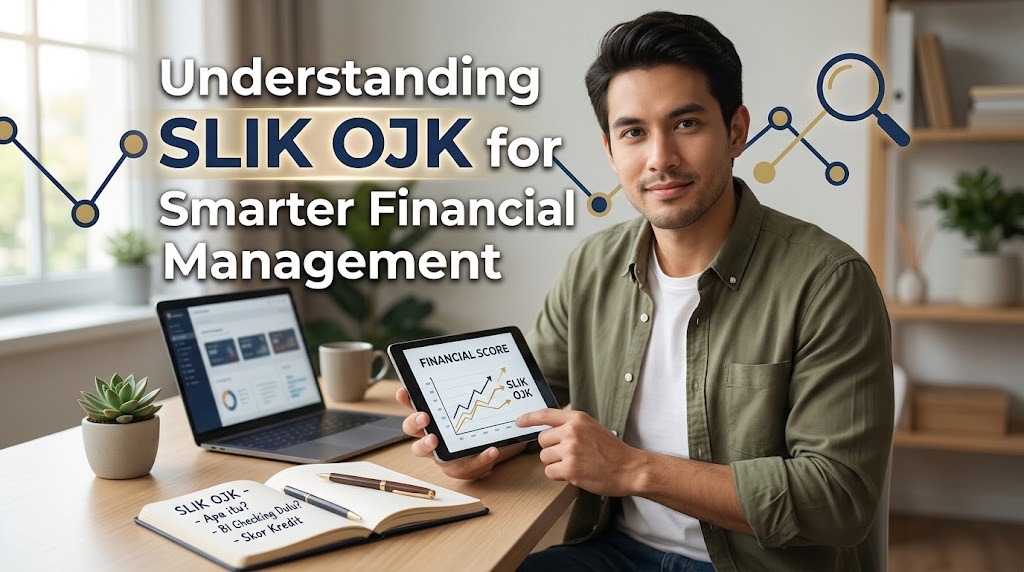
Managing personal finances is not only about saving money and controlling expenses. Understanding your credit history is also an important part of responsible financial management. In Indonesia, SLIK OJK provides debtor information that can help individuals understand their recorded credit and financing obligations. This information can also be used by financial institutions as one source when assessing prospective borrowers.
By understanding how SLIK works, people can become more aware of their financial responsibilities. Checking credit information can also help identify existing obligations and potential data problems. Instead of viewing SLIK only as something related to loan applications, it can be used as part of a broader approach to managing finances wisely.
UNDERSTANDING WHAT SLIK OJK IS
SLIK stands for Sistem Layanan Informasi Keuangan and is managed by the Financial Services Authority or OJK. It provides debtor information based on reports submitted by financial institutions. The information can include debtor identity and details about financial facilities received by the debtor.
SLIK was introduced to support financial supervision and information services while also helping financial institutions manage credit and financing risks. For individuals, understanding SLIK can provide a clearer view of their recorded financial obligations. This knowledge can become useful when planning future borrowing and managing existing debt.
SLIK IS NOT A BLACKLIST
A common misunderstanding is that having information recorded in SLIK means a person is automatically considered a problematic borrower. In fact, OJK explains that debtor information in SLIK is neutral and is not a blacklist. SLIK information is simply one source that can be used when analyzing a prospective debtor.
The final decision to approve or reject a financial facility belongs to each financial institution. They make decisions based on their internal risk assessment and applicable regulations. Therefore, people should not treat SLIK as a simple pass-or-fail system when managing their finances.
KNOWING YOUR CREDIT HISTORY
Credit history can provide useful information about how financial obligations have been managed. An iDeb contains debtor information reported through SLIK, including information related to credit or financing facilities. Reviewing this information can help individuals become more aware of their financial position.
Knowing your credit history can also make it easier to identify obligations that may have been forgotten or overlooked. This awareness is particularly useful when someone has several financial commitments. By understanding what is recorded, borrowers can make more informed decisions about future borrowing.
CHECK YOUR iDeb THROUGH THE OFFICIAL SERVICE
OJK provides the iDebKu service for individuals who want to request their debtor information. The service can be accessed online through the official iDebKu platform. Using the official service is important because financial information should be obtained from a trusted source.
Before submitting a request, applicants should provide their information accurately and completely. OJK's online guide includes personal and contact information as part of the registration process. Keeping the registered email accessible is also useful because it is involved in the service process.
USE SLIK INFORMATION TO REVIEW YOUR DEBT
One practical benefit of checking SLIK information is that it can encourage people to review their current debt obligations. Understanding how much debt you have and how those obligations are being managed can support better financial planning. It can also help you think more carefully before taking on another loan.
Before applying for new financing, consider whether the additional obligation fits your income and regular expenses. Avoid taking on debt simply because credit is available. A careful assessment of your financial capacity can reduce the risk of payment difficulties in the future.
MAINTAIN PAYMENT DISCIPLINE
Paying financial obligations according to the agreed schedule is an important part of responsible credit management. Regular payment discipline can help borrowers avoid unnecessary financial problems. A good financial routine should include tracking installment due dates and ensuring that funds are available before payments are due.
Simple habits can make this easier to maintain. Borrowers can use reminders, organize monthly expenses, and review upcoming payments before spending on nonessential items. Consistency is more important than making temporary changes only when preparing for a new credit application.
KEEP YOUR FINANCIAL INFORMATION ACCURATE
Financial management also involves making sure that the information associated with your obligations is accurate. If you find information in your iDeb that appears incorrect, review the details and contact the relevant financial institution that reported the information. Keeping payment receipts and other financial documents can make it easier to verify your records when necessary.
Accurate information is useful for both borrowers and financial institutions. OJK continues to develop SLIK to improve the quality and usefulness of debtor information. For borrowers, regularly understanding the information recorded under their name can help them respond more quickly if there is an issue.
AVOID UNNECESSARY BORROWING
Smart financial management does not mean avoiding all forms of credit. Credit can be useful when it supports an appropriate financial need and can be repaid comfortably. The key is to borrow based on actual needs and realistic repayment capacity.
Taking multiple loans without considering the total monthly burden can create financial pressure. Before accepting new financing, review your existing obligations, income, essential expenses, and financial goals. This approach can help prevent debt from becoming difficult to manage.
USE CREDIT INFORMATION FOR FUTURE PLANNING
SLIK information can become more useful when it is connected to broader financial planning. After reviewing your credit information, consider whether your current debt structure supports your financial goals. The information can encourage you to make more deliberate decisions about saving, spending, borrowing, and repayment.
For example, someone planning to apply for financing in the future may choose to strengthen payment discipline and reduce unnecessary obligations first. Someone who already has several credit facilities may use the information as a reason to review their monthly budget. In this way, understanding SLIK becomes part of a longer-term financial management strategy.
BUILD RESPONSIBLE FINANCIAL HABITS
Understanding SLIK is only one part of becoming financially responsible. Healthy financial management also requires budgeting, saving, monitoring expenses, and controlling debt. The most valuable benefit of understanding credit information is the opportunity to develop better financial habits over time.
Instead of checking SLIK only when a loan is needed, individuals can treat their credit information as part of their overall financial awareness. This can encourage more careful borrowing and better preparation for future financial needs. Small improvements in financial habits can make debt management more sustainable.
CONCLUSION
Understanding SLIK OJK can help individuals become more aware of their credit history and financial obligations. SLIK is not a blacklist and does not independently determine whether a person will receive credit. Instead, its information can be used as one source in credit analysis while the final decision remains with the relevant financial institution.
For smarter financial management, individuals can check their iDeb through the official iDebKu service, review existing obligations, maintain payment discipline, avoid unnecessary debt, and keep financial information accurate. When combined with budgeting and responsible borrowing habits, understanding SLIK can support better financial decisions and stronger preparation for future financial needs.
Tentang Penulis
Gusti Ayu Tita P
Penulis — Universitas STEKOM
Penulis aktif yang berfokus pada isu-isu akademik, teknologi pendidikan, dan pengembangan sumber daya manusia di lingkungan kampus.