Understanding the Benefits of Electronic Stamp Duty for Businesses
Gusti Ayu Tita P
21 Agustus 2026
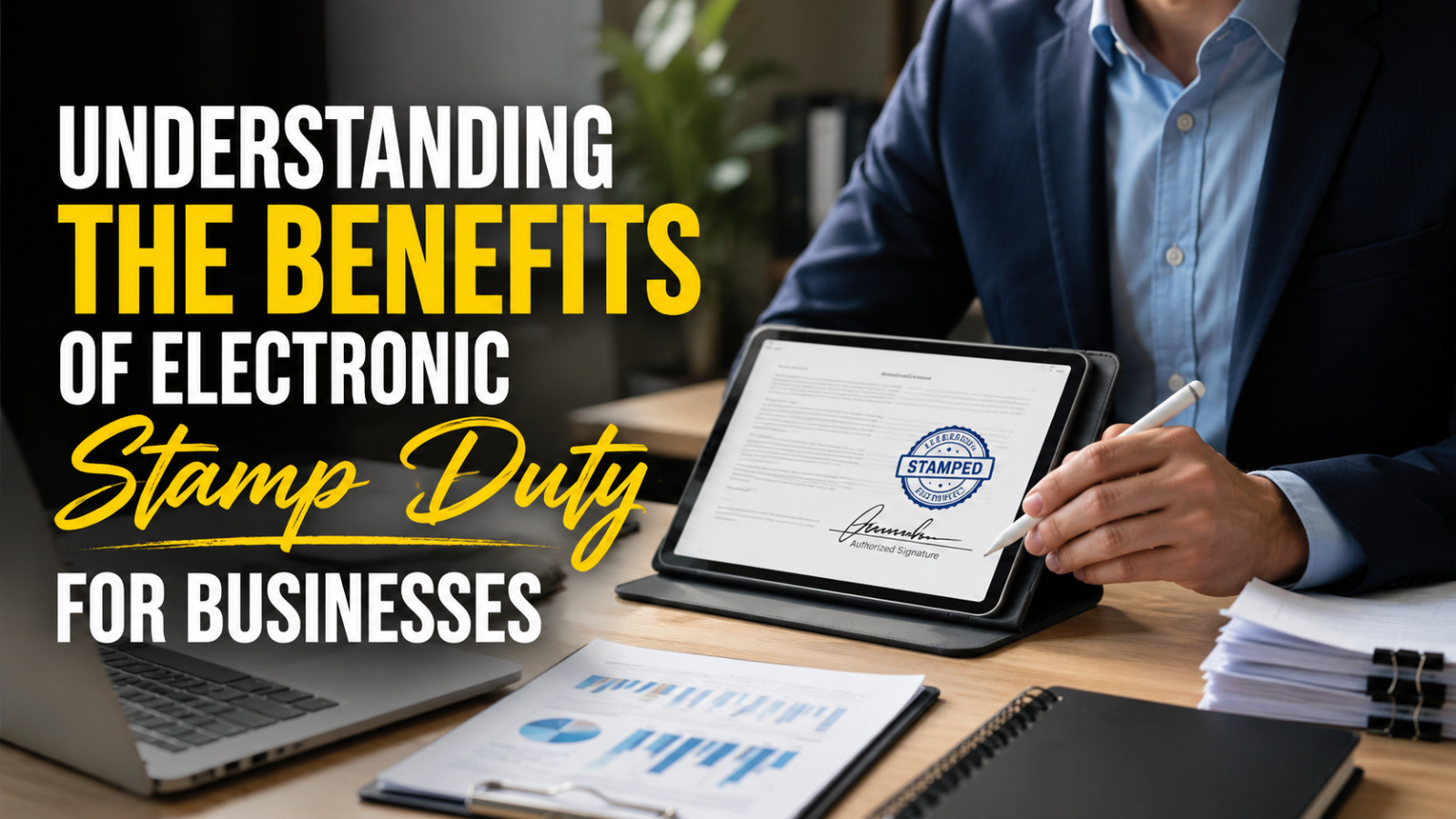
Electronic stamp duty has become an important part of digital document management as businesses increasingly move their administrative processes online. Instead of relying entirely on physical documents and conventional stamps, companies can use electronic stamp duty for eligible electronic documents. This approach can support faster document processing while reducing the need for printing and physical storage. For businesses handling many agreements, invoices, or other taxable documents, electronic stamp duty can make administrative activities more practical. Understanding its benefits can help companies use this digital solution correctly and efficiently.
WHAT IS ELECTRONIC STAMP DUTY?
Electronic stamp duty is a digital form of stamp duty used on electronic documents that are subject to stamp duty requirements under applicable regulations. In Indonesia, electronic stamp duty is commonly known as e-Meterai and is designed for eligible digital documents. It contains official identification elements that help indicate that the required stamp duty has been applied. Unlike a traditional physical stamp, it can be placed on an electronic document without requiring the document to be printed first. Businesses should still ensure that the document and its use comply with the latest applicable tax regulations.
For companies, this system is particularly useful when business activities involve a large number of digital contracts and agreements. Documents can be prepared, signed, stored, and managed electronically, depending on the company's workflow and the applicable legal requirements. This can reduce dependence on paper-based administration and make document handling more convenient. However, electronic stamp duty should not be viewed as a replacement for every legal requirement because stamp duty and electronic signatures serve different purposes. Businesses should understand these distinctions before implementing an electronic document workflow.
FASTER AND MORE EFFICIENT BUSINESS ADMINISTRATION
One of the main benefits of electronic stamp duty is its potential to make administrative processes faster and more efficient. Employees do not necessarily need to print documents simply to apply a physical stamp duty before continuing the process. This can be especially helpful when companies manage contracts or other documents remotely. Digital processing can also reduce the time needed to move documents between departments or locations. As a result, businesses can create a more streamlined workflow for eligible electronic documents.
Electronic processing can also reduce several administrative costs, including expenses related to printing, paper, physical storage, and document transportation. These savings may become more noticeable for businesses that process a high volume of documents. Digital files can also be organized using appropriate document management systems, making them easier to retrieve when needed. However, companies still need reliable digital infrastructure, secure storage, and clear internal procedures. Efficiency is therefore achieved not only through electronic stamp duty but also through proper digital document management.
SUPPORTING PAPERLESS BUSINESS OPERATIONS
Electronic stamp duty can support companies that are developing paperless administration. When documents are created and processed digitally, businesses can reduce unnecessary printing and physical document movement. This can make remote collaboration easier because authorized employees can work with electronic files from different locations. It can also help companies organize their records in a more structured digital environment. For organizations seeking to modernize their operations, this can be an important step toward broader digital transformation.
A paperless approach may also provide practical benefits for document storage and retrieval. Digital documents can be categorized, backed up, and accessed through appropriate systems without requiring large physical filing spaces. This is particularly useful for businesses that need to manage contracts and administrative records over long periods. Nevertheless, digital files must be protected against unauthorized access, accidental deletion, and other security risks. Companies should therefore combine electronic stamp duty with strong access controls and secure document storage.
IMPROVING DOCUMENT MANAGEMENT AND COMPLIANCE
Another benefit is that electronic stamp duty can become part of a more organized digital document workflow. Businesses can integrate the process of preparing, reviewing, signing, applying stamp duty where required, and storing documents into a structured procedure. This can make responsibilities clearer and reduce unnecessary manual steps. Proper records can also help businesses identify which documents have already completed the required administrative process. Such organization can be valuable when documents need to be reviewed internally or presented for legitimate administrative purposes.
However, businesses must remember that applying an electronic stamp duty does not automatically make a document valid in every legal situation. Stamp duty is different from an electronic signature, and each has its own function and legal framework. Companies should verify whether a particular document is subject to stamp duty and follow the official procedures for obtaining and applying electronic stamp duty. They should also purchase electronic stamp duty through authorized channels and avoid unofficial products or services. Following applicable regulations is essential to ensure that the digital process provides both efficiency and proper compliance.
CONCLUSION
Electronic stamp duty offers several potential benefits for businesses, particularly in an environment where digital transactions and paperless administration are becoming increasingly common. It can help streamline document processing, reduce reliance on paper, and support more efficient document management. For businesses handling large volumes of eligible electronic documents, these advantages can contribute to a more organized administrative workflow. Nevertheless, companies must use electronic stamp duty according to applicable regulations and understand its difference from electronic signatures. With the right procedures, security measures, and compliance practices, electronic stamp duty can become a useful component of modern business administration.
Tentang Penulis
Gusti Ayu Tita P
Penulis — Universitas STEKOM
Penulis aktif yang berfokus pada isu-isu akademik, teknologi pendidikan, dan pengembangan sumber daya manusia di lingkungan kampus.