
Understanding the Difference Between SNBP and SNBT
Gusti Ayu Tita P
30 Juli 2026
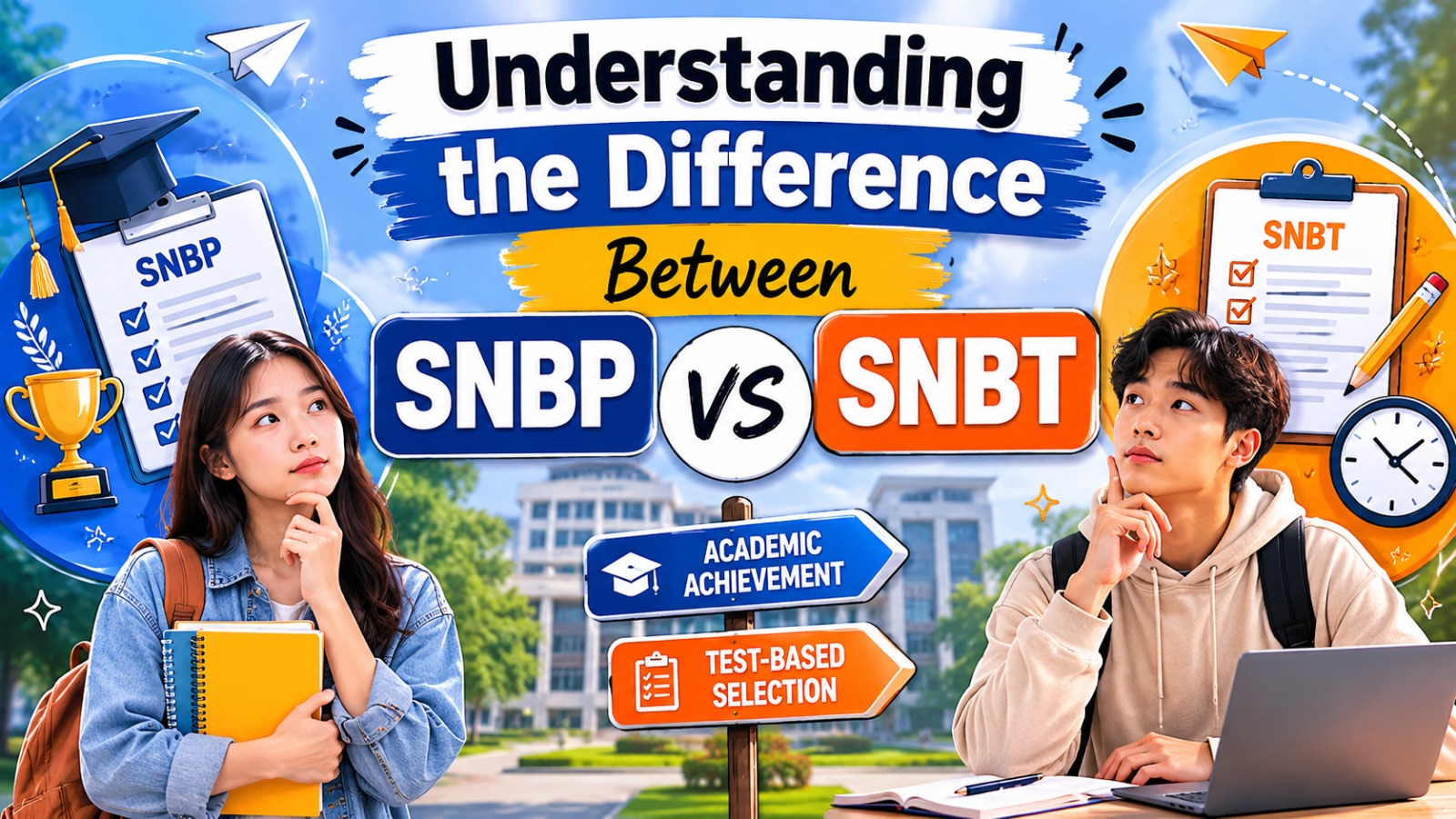
Choosing the right university admission pathway is an important step for students who want to continue their education in Indonesia. SNBP and SNBT are two major selection systems that provide opportunities for students to enter public universities, but they have different requirements and assessment methods. Understanding these differences can help students prepare more effectively and increase their chances of success.
This article explains the key distinctions, selection criteria, advantages, and preparation strategies for both pathways. By learning how each system works, students can make informed decisions based on their academic achievements, abilities, and future goals.
WHAT IS SNBP?
SNBP, or the National Selection Based on Achievement, is a university admission pathway that evaluates students primarily through their academic records and consistent performance during high school. Schools nominate eligible students based on predetermined criteria, allowing them to compete without taking a national entrance examination. This system rewards students who have demonstrated dedication and strong academic results over time.
Because the selection focuses on achievements, maintaining good grades and participating in meaningful extracurricular activities can provide additional advantages. Students who consistently perform well throughout their education often have a better opportunity to qualify through this pathway. Therefore, long-term academic commitment is an essential factor for success in SNBP.
WHAT IS SNBT?
SNBT, or the National Selection Based on Tests, is an admission route that relies mainly on standardized examination results. Unlike SNBP, every eligible participant must take an entrance test that measures reasoning, analytical thinking, and academic readiness. The examination provides universities with a standardized way to compare applicants from different educational backgrounds.
This pathway offers opportunities for students who may not have outstanding school records but possess strong test-taking abilities. Careful preparation through practice questions, study plans, and time management can significantly improve performance. As a result, many students invest considerable effort in preparing for the examination months before the test date.
MAIN DIFFERENCES BETWEEN SNBP AND SNBT
The most significant difference between SNBP and SNBT lies in their assessment methods. SNBP emphasizes academic consistency and achievements accumulated during high school, while SNBT evaluates students through standardized testing performance. Both pathways aim to select capable candidates but use different indicators to measure potential.
Another distinction involves preparation strategies. Students targeting SNBP should focus on maintaining excellent grades and building a strong academic portfolio throughout their studies. Meanwhile, those pursuing SNBT should dedicate time to mastering test materials, improving reasoning skills, and practicing under exam conditions to maximize their scores.
ADVANTAGES OF EACH ADMISSION PATHWAY
One advantage of SNBP is that students do not need to rely solely on a single examination day to demonstrate their abilities. Their years of academic effort become valuable evidence of competence, reducing the pressure associated with one-time testing. This pathway can be especially beneficial for disciplined students with consistently high performance.
On the other hand, SNBT provides a second chance for students whose academic records may not fully reflect their potential. Excellent test results can open doors to competitive universities even if previous grades were average. This creates a more flexible admission system that recognizes different strengths and learning styles.
HOW TO CHOOSE THE RIGHT PATH?
Selecting between SNBP and SNBT requires an honest evaluation of personal strengths and academic history. Students with excellent school performance and strong portfolios may find SNBP more suitable, while those who excel under examination conditions may benefit from SNBT. Understanding individual capabilities helps create a more effective admission strategy.
In many cases, preparing for both pathways is a wise decision if eligibility requirements allow it. Maintaining academic excellence while simultaneously developing reasoning and problem-solving skills increases overall competitiveness. Balanced preparation also provides greater confidence throughout the university admission process.
CONCLUSION
Understanding the difference between SNBP and SNBT is essential for students planning to enter public universities in Indonesia. Although both systems pursue the same objective of selecting qualified candidates, they rely on different evaluation methods and preparation approaches. Choosing the most appropriate pathway depends on personal strengths, academic performance, and long-term planning.
With careful preparation and accurate information, students can improve their opportunities for success in either admission route. Building strong study habits, maintaining consistency, and understanding the selection process are valuable steps toward achieving higher education goals.
Tentang Penulis
Gusti Ayu Tita P
Penulis — Universitas STEKOM
Penulis aktif yang berfokus pada isu-isu akademik, teknologi pendidikan, dan pengembangan sumber daya manusia di lingkungan kampus.















