Understanding the Five Principles of Pancasila and Their Practical Applications
Gusti Ayu Tita P
4 Agustus 2026
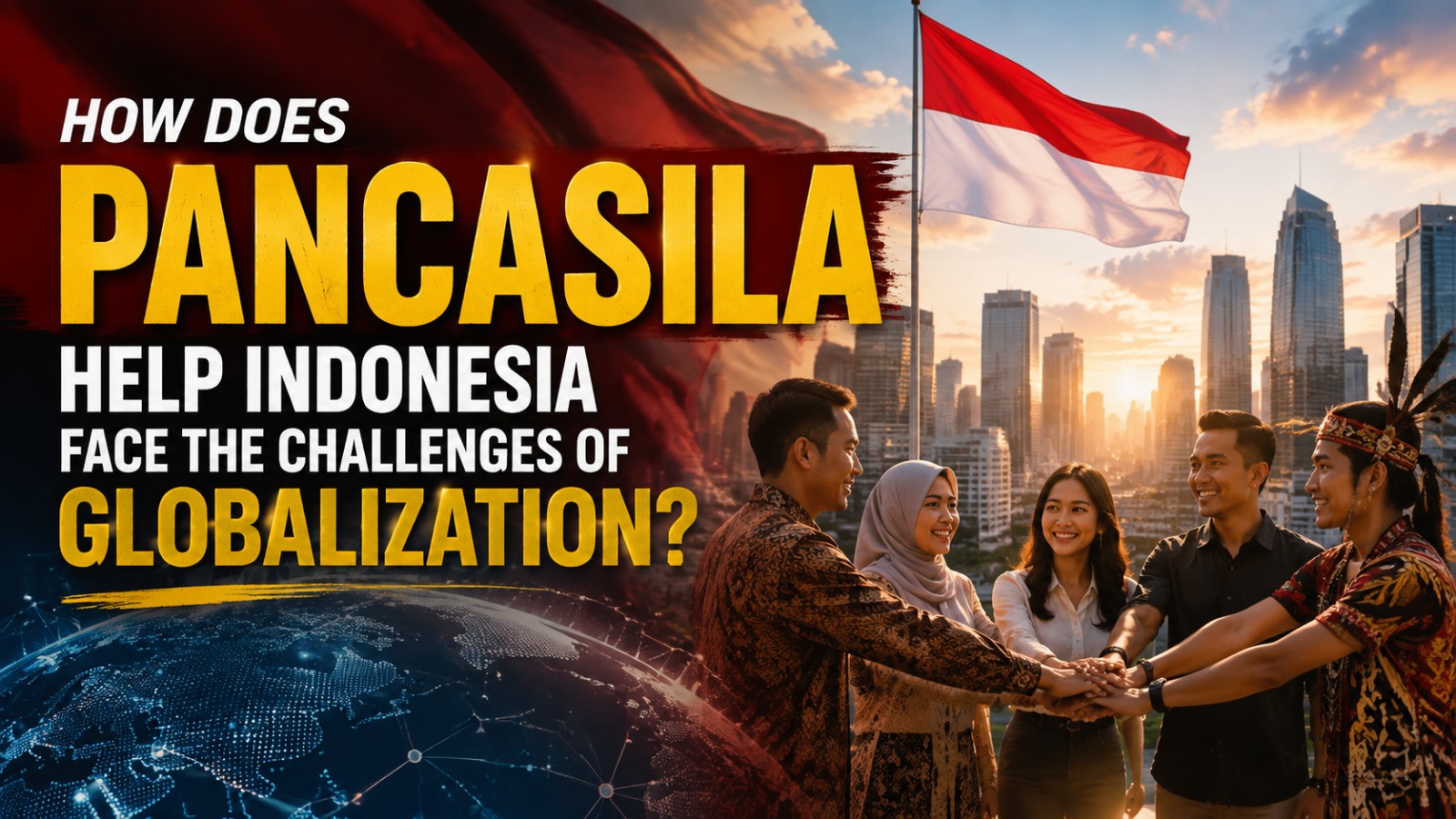
Pancasila is the foundation of Indonesia that contains five fundamental principles guiding the life of the nation. These principles represent the values, beliefs, and aspirations of Indonesian society. As the national ideology of Indonesia, Pancasila serves as a moral guideline for citizens in building relationships, making decisions, and contributing to society. Understanding the meaning of each principle is important because Pancasila is not only a national symbol but also a value that must be practiced in everyday life.
The five principles of Pancasila reflect important concepts such as religious respect, humanity, unity, democracy, and social justice. These values remain relevant even in the modern era because they help Indonesian people face social, cultural, and technological changes. By applying Pancasila in daily activities, citizens can help create a peaceful, fair, and harmonious society.
THE FIRST PRINCIPLE BELIEF IN ONE ALMIGHTY GOD
The first principle of Pancasila, “Belief in One Almighty God,” emphasizes the importance of spirituality and respect for religious beliefs. Indonesia recognizes religious diversity, and this principle encourages citizens to practice their faith while respecting the beliefs of others. Religious values become a foundation for developing moral behavior and positive attitudes in society.
The practical application of this principle can be seen through religious tolerance and mutual respect. People can respect different religious celebrations, avoid discrimination, and create peaceful relationships with others. By practicing this value, Indonesian society can maintain harmony despite differences in beliefs.
THE SECOND PRINCIPLE JUST AND CIVILIZED HUMANITY
The second principle focuses on the importance of treating every human being with fairness and respect. Humanity values teach people that everyone has equal dignity and deserves proper treatment. This principle encourages citizens to develop empathy, kindness, and responsibility toward others.
In everyday life, this principle can be applied by helping people in need, respecting human rights, and avoiding actions that harm others. For example, preventing bullying, supporting social activities, and showing compassion are forms of practicing just and civilized humanity. These actions help create a society based on respect and fairness.
THE THIRD PRINCIPLE THE UNITY OF INDONESIA
The third principle, “The Unity of Indonesia,” highlights the importance of maintaining national togetherness. Indonesia is a diverse country with many ethnic groups, cultures, languages, and traditions. This principle teaches that differences should become a source of strength rather than division.
The application of this principle can be seen through cooperation, respect for diversity, and prioritizing national interests. Citizens can practice unity by participating in community activities, appreciating local cultures, and avoiding discrimination. Strong unity allows Indonesia to face challenges more effectively.
THE FOURTH PRINCIPLE DEMOCRACY GUIDED BY WISDOM
The fourth principle emphasizes the importance of democracy through discussion and representation. This principle teaches that decisions should be made through respectful conversations and consideration of different opinions. Democracy in Pancasila focuses on mutual agreement rather than individual interests.
The practical application of this value includes listening to others, accepting different perspectives, and participating responsibly in decision-making processes. Students can apply this principle through group discussions and respecting classmates’ opinions. In society, citizens can practice democratic values by participating in elections and community discussions.
THE FIFTH PRINCIPLE SOCIAL JUSTICE FOR ALL INDONESIAN PEOPLE
The fifth principle promotes social justice and equality for all citizens. This value emphasizes that every person should have fair opportunities and access to a better life. Social justice encourages people to care about others and contribute to reducing inequality.
Applying this principle can be done through helping disadvantaged communities, respecting others’ rights, and acting fairly in daily situations. Citizens can support social justice by cooperating, sharing, and participating in activities that benefit society. These actions reflect the spirit of Pancasila in creating a more balanced community.
THE IMPORTANCE OF APPLYING PANCASILA IN DAILY LIFE
Understanding the five principles of Pancasila is not enough without real implementation. Pancasila values must become part of daily behavior so that they can provide meaningful benefits for society. Simple actions such as respecting others, helping neighbors, and following rules are examples of applying Pancasila.
In the modern era, Pancasila remains important because society faces challenges such as intolerance, misinformation, and social conflicts. By practicing Pancasila principles, citizens can build stronger relationships and maintain national harmony. The application of Pancasila creates individuals with good character and social awareness.
PANCASILA VALUES IN THE DIGITAL ERA
Technology has changed how people communicate and interact. In the digital era, Pancasila principles remain important to guide responsible online behavior. Digital users need to apply honesty, respect, and responsibility when creating or sharing information.
Examples of applying Pancasila online include avoiding fake news, cyberbullying, and online conflicts. People should use technology to spread positive messages, gain knowledge, and build cooperation. By applying Pancasila values in digital spaces, society can create a safer and more ethical online environment.
CONCLUSION
The five principles of Pancasila provide important guidance for Indonesian people in building a peaceful and responsible society. Each principle contains values that can be applied in everyday life, from respecting beliefs to creating social justice. These principles remain relevant because they help citizens face modern challenges while maintaining national identity.
By understanding and practicing Pancasila values, every Indonesian citizen can contribute to creating a united, fair, and prosperous nation. Pancasila is not only a historical foundation but also a living guide for Indonesia’s future.
Tentang Penulis
Gusti Ayu Tita P
Penulis — Universitas STEKOM
Penulis aktif yang berfokus pada isu-isu akademik, teknologi pendidikan, dan pengembangan sumber daya manusia di lingkungan kampus.