Understanding The Personality Of The Youngest Child And How To Develop Their Potential?
Gusti Ayu Tita P
7 September 2026
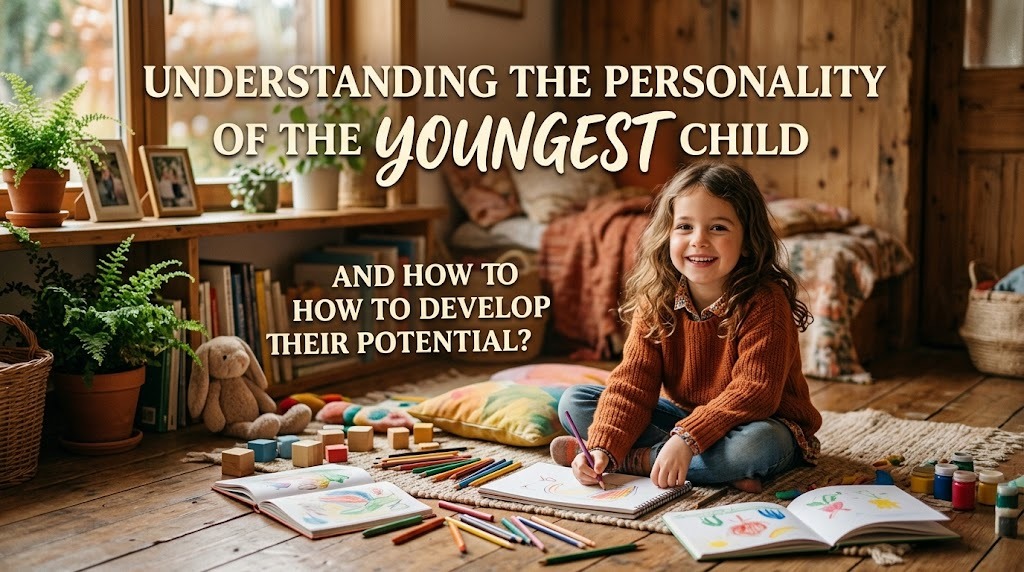
The youngest child often grows up in a unique family environment surrounded by parents and older siblings. Their experiences can influence the way they communicate, respond to situations, and understand relationships. Some youngest children may appear outgoing and confident, while others may be quiet and independent. Their personality is shaped by many factors, so birth order alone cannot determine who they will become.
Understanding the characteristics of the youngest child can help families provide the right support for their development. Instead of focusing on stereotypes, parents and siblings can encourage the youngest child to recognize their strengths and improve areas that still need attention. With proper guidance and opportunities to learn, the youngest child can develop their potential and build confidence from an early age.
UNDERSTANDING THE UNIQUE PERSONALITY OF THE YOUNGEST CHILD
The youngest child may develop certain characteristics from interacting with older family members. They often have opportunities to observe how their siblings behave, solve problems, and communicate with others. These experiences can provide different perspectives that may influence their own way of thinking. However, these characteristics are tendencies rather than fixed rules.
Some youngest children may become sociable because they regularly interact with several family members. Others may develop a strong sense of humor or become comfortable expressing their opinions. There are also youngest children who prefer independence and personal space. Individual experiences and family environments play an important role in shaping these differences.
DEVELOPING CONFIDENCE THROUGH POSITIVE EXPERIENCES
Confidence is an important part of personal development. The youngest child can build confidence by being given opportunities to make decisions and express their opinions. Parents can encourage them to participate in activities that match their interests and abilities. Positive experiences can help children recognize that their ideas and efforts have value.
Confidence does not mean always being certain or never making mistakes. Children also need to understand that failure is a normal part of learning. When they experience setbacks, they can be encouraged to evaluate what happened and try again. Learning from mistakes can make confidence stronger and more realistic.
ENCOURAGING INDEPENDENCE FROM AN EARLY AGE
Because the youngest child may receive help from parents or older siblings, they can sometimes become accustomed to depending on others. This does not mean that every youngest child lacks independence. However, giving them appropriate responsibilities can help them become more self-reliant. Independence develops when children are trusted to handle tasks that match their age and abilities.
Simple responsibilities can be introduced gradually. They can organize their belongings, complete schoolwork, manage personal schedules, or help with household activities. Parents should provide guidance without immediately taking over when a problem appears. Allowing children to solve manageable problems on their own can strengthen responsibility and problem-solving skills.
USING CREATIVITY TO DEVELOP POTENTIAL
The youngest child may have many opportunities to observe different ideas and experiences within the family. These experiences can become useful sources of inspiration for creative thinking. Creativity can be developed through writing, drawing, technology, problem-solving activities, reading, or other interests. Providing space for exploration allows children to discover abilities they may not know they have.
Creativity should not be limited to artistic activities. It can also involve finding new ways to complete tasks, developing ideas, or approaching problems from different perspectives. Parents and teachers can encourage children to ask questions and experiment with different solutions. A curious mind can become an important foundation for long-term personal growth.
STRENGTHENING COMMUNICATION AND SOCIAL SKILLS
Communication is another skill that can support the development of the youngest child. Growing up with older siblings can provide opportunities to interact with people who have different ages and personalities. Through these interactions, children can learn how to express their feelings, listen to others, and respond appropriately. Good communication can help children build healthier relationships.
Social skills can be strengthened through group activities and shared experiences. School organizations, sports, creative projects, and community activities can teach children how to cooperate with others. They can also learn how to handle disagreements and respect different opinions. Strong social skills can become valuable assets in education, relationships, and future careers.
HELPING THE YOUNGEST CHILD REACH THEIR POTENTIAL
Developing potential requires more than identifying strengths. The youngest child also needs consistent opportunities to practice skills, face challenges, and receive constructive feedback. Parents can help by recognizing their interests while still encouraging them to explore new areas. A balanced approach allows children to develop existing strengths while discovering new abilities.
Goals should also be introduced gradually and realistically. Children can start with simple objectives and learn to complete them through consistent effort. As their confidence grows, they can take on more challenging responsibilities. Support, independence, discipline, and continuous learning can help the youngest child turn potential into meaningful achievements.
CONCLUSION
The personality of the youngest child can be influenced by family relationships, parenting, education, experiences, and many other factors. Although some common characteristics may appear among youngest children, birth order does not determine personality or future success. Every child has a unique combination of strengths, interests, challenges, and experiences.
Parents and families can support the youngest child by encouraging confidence, independence, creativity, communication, and responsibility. With the right opportunities and consistent guidance, the youngest child can discover their abilities and continue developing them. Ultimately, potential grows through effort and experience, not simply through being the youngest member of a family.
Tentang Penulis
Gusti Ayu Tita P
Penulis — Universitas STEKOM
Penulis aktif yang berfokus pada isu-isu akademik, teknologi pendidikan, dan pengembangan sumber daya manusia di lingkungan kampus.