The Enchanting Balinese Ceremonies: Exploring the Culture and Spirituality of the Island of the Gods
Gusti Ayu Tita P
7 November 2023
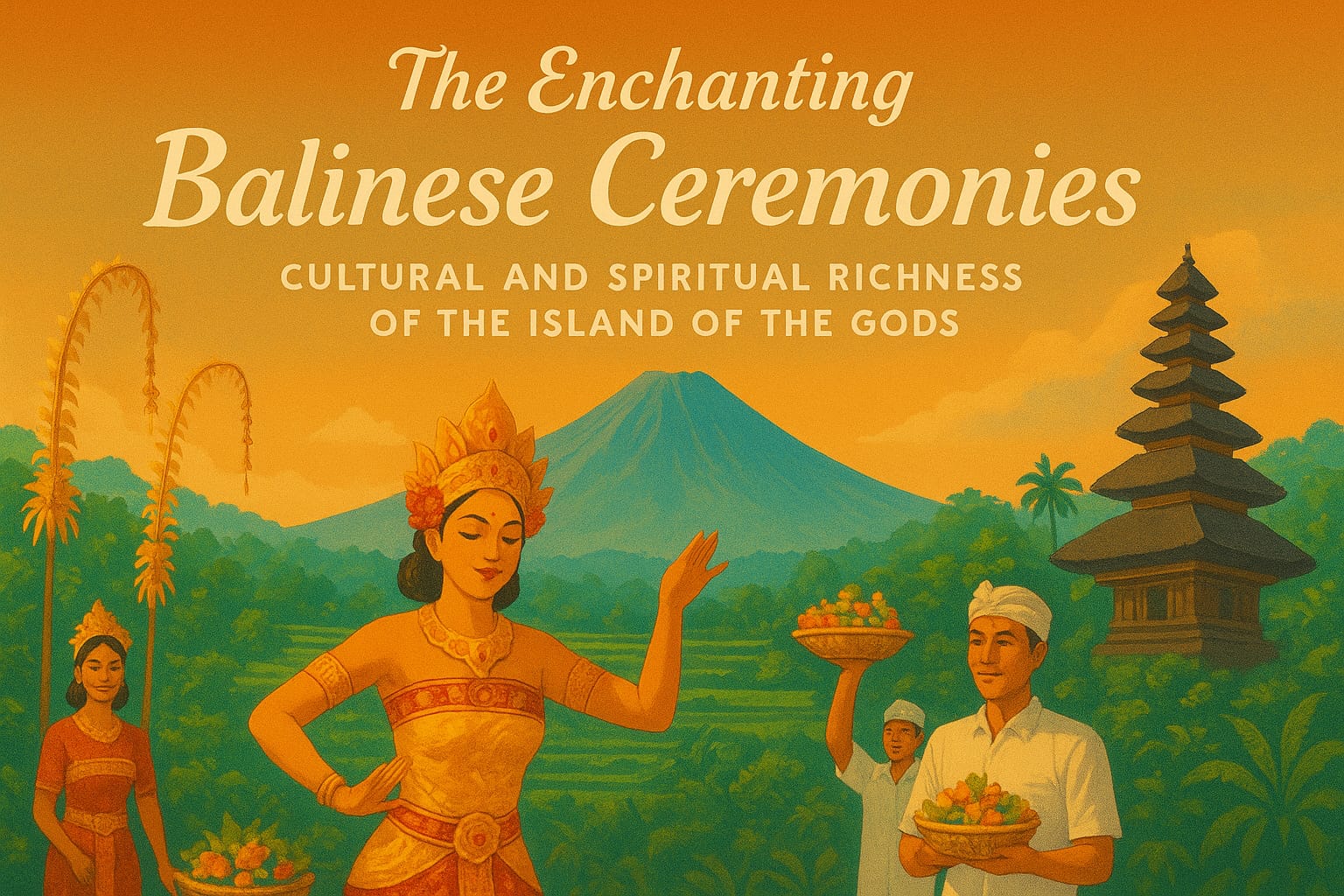
Bali, also known as the Island of the Gods, is not only famous for its stunning natural beauty but also for its rich culture and traditions. One of the most captivating aspects of Balinese culture is its traditional ceremonies. Balinese ceremonies showcase deep spirituality, artistic beauty, and adherence to traditional values, offering visitors a unique insight into the island’s cultural heritage.
Tables of Content
- Fascinating Balinese Traditional Ceremonies
1.1. Ngaben Ceremony: Honoring the Spirits of the Departed
1.2. Odalan Ceremony: Paying Respect to Temple Guardians
1.3. Melasti Ceremony: Purification at Sacred Beaches
1.4. Galungan and Kuningan: Celebrating the Victory of Dharma
1.5. Rites of Passage Ceremonies: Marking Life’s Important Milestones - Conclusion
Captivating Balinese Traditional Ceremonies
In this article, we explore some of the most impressive traditional ceremonies in Bali, highlighting their cultural significance, artistic beauty, and spiritual depth.
Ngaben Ceremony: Honoring the Spirits of the Departed

.Ngaben, often referred to as the Balinese cremation ceremony, is one of the most important rituals in Balinese culture. Its purpose is to honor the souls of the deceased and guide them peacefully into the spiritual realm. The Ngaben process involves preparing the body, a procession to the cremation site, and cremation using firewood. This ceremonial practice reflects Bali’s deep respect for life, death, and spiritual continuity.
Odalan Ceremony: Paying Respect to Temple Guardians

Odalan is an annual celebration that honors the protective deity of a temple. Each temple in Bali has its own Odalan date. During this ceremony, Balinese Hindus decorate the temple with small flags (umbul-umbul) and offer various offerings to the deity. Odalan emphasizes the importance of devotion, community participation, and maintaining harmony with the divine.
Melasti Ceremony: Purification at Sacred Beaches

Melasti is a purification ritual performed at the beach to cleanse oneself from sins and to purify sacred objects from the temples. During Melasti, Balinese Hindus carry holy items to the sea and immerse them in seawater as a form of spiritual cleansing. This ceremony symbolizes renewal, spiritual balance, and respect for nature.
Galungan and Kuningan: Celebrating the Victory of Dharma

Galungan is a major festival in Bali that commemorates the victory of Dharma (good) over Adharma (evil). Families decorate their homes with penjor (bamboo poles adorned with offerings) and present offerings to honor their ancestors. Kuningan marks the final day of this celebration, signaling the conclusion of this sacred period. These ceremonies reinforce moral values, cultural identity, and community unity.
Rites of Passage Ceremonies: Marking Life’s Important Milestones

In Bali, a series of traditional ceremonies celebrate important life events such as birth, initiation, marriage, and death. Each stage has its own ritual, rich in symbolism and meaning, reflecting respect for life, community cohesion, and cultural continuity.
Conclusion
Balinese traditional ceremonies reflect the island’s cultural richness, artistic beauty, and deep spirituality. They preserve traditions, honor ancestral spirits, and strengthen community bonds. Moreover, these ceremonies are a major attraction for tourists seeking to understand the island’s culture more deeply. With their uniqueness and grandeur, Balinese ceremonies remain an essential and inspiring aspect of everyday life on the Island of the Gods.
Tentang Penulis
Gusti Ayu Tita P
Penulis — Universitas STEKOM
Penulis aktif yang berfokus pada isu-isu akademik, teknologi pendidikan, dan pengembangan sumber daya manusia di lingkungan kampus.