
Ways to Stay Calm and Focused in Difficult Situations
Gusti Ayu Tita P
31 Agustus 2026
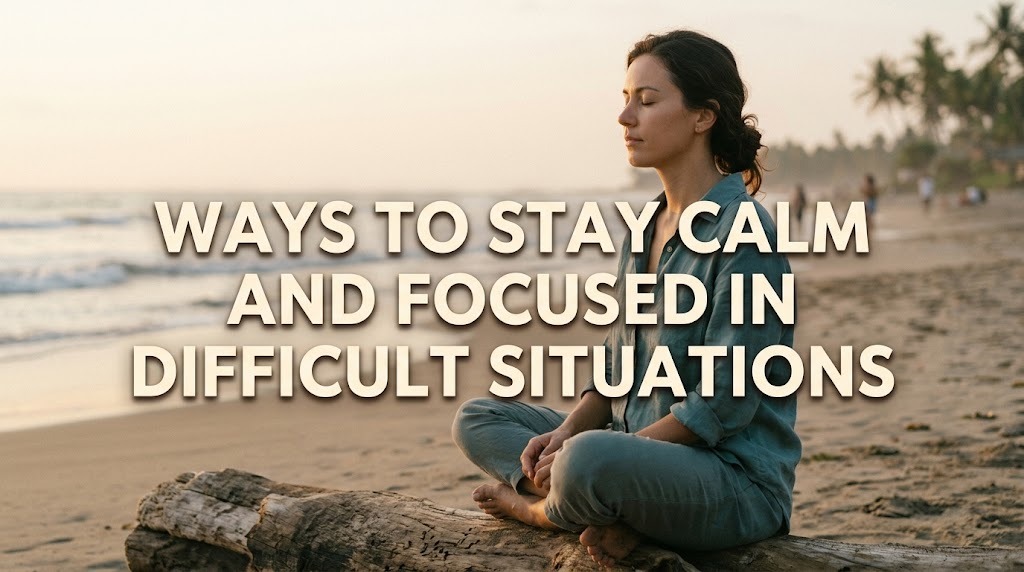
Difficult situations can happen at any time, whether at work, school, in relationships, or during important personal decisions. When problems arise, people may easily feel angry, worried, confused, or overwhelmed. These emotions can make it harder to think clearly and choose the right response. Developing self control can help a person remain calm, maintain focus, and handle challenges more effectively. By practicing simple strategies consistently, anyone can improve their ability to respond wisely instead of reacting impulsively.
UNDERSTAND YOUR EMOTIONAL REACTIONS
The first step to staying calm is understanding how you normally react when facing pressure. Some people become angry quickly, while others may become silent, anxious, or unable to concentrate. Recognizing these patterns helps you identify situations that commonly affect your emotional stability. Self awareness is important because it allows you to notice emotions before they control your behavior. Instead of immediately reacting, take a moment to identify what you are feeling and why the situation affects you.
Emotional reactions are natural, but they do not always need to determine your actions. When you understand your emotional triggers, you can prepare healthier responses before problems become more difficult. For example, if criticism often makes you defensive, you can practice listening carefully before answering. Understanding your emotions gives you greater control over your words, decisions, and actions. This ability becomes especially valuable when dealing with stressful or unexpected situations.
PRACTICE PAUSING BEFORE RESPONDING
One simple way to remain calm is to create a short pause before responding to a difficult situation. A few seconds of silence can give your brain time to process what is happening instead of allowing emotions to take control. This technique is particularly useful during arguments, stressful conversations, or moments that require an immediate decision. Pausing does not mean avoiding the problem; it means choosing a better response.
During the pause, take a slow breath and consider the possible consequences of your response. Ask yourself whether your words will solve the problem or make it worse. This small habit can reduce impulsive reactions and encourage more thoughtful behavior. A calm response is often more effective than an emotional reaction, especially when the situation involves other people. With regular practice, pausing can become a natural part of your behavior.
USE SIMPLE BREATHING TECHNIQUES
Breathing can be a practical tool for managing stress when a situation becomes difficult. When people feel anxious or angry, their breathing may become faster and less controlled. Taking slow and deliberate breaths can help create a sense of calm and give you time to regain concentration. Controlled breathing is a simple technique that can be practiced almost anywhere without special equipment.
Try inhaling slowly, holding your breath briefly, and then exhaling in a controlled manner. Repeat the process several times while focusing your attention on your breathing. This can help shift your attention away from immediate emotional pressure and toward the present moment. The goal is not to eliminate every negative emotion but to create enough calm to think clearly. Practicing this technique regularly can make it easier to use when stressful situations occur.
FOCUS ON WHAT YOU CAN CONTROL
Difficult situations often become more stressful when people spend too much energy worrying about things they cannot change. Focusing on uncontrollable factors can increase frustration and reduce your ability to find practical solutions. Instead, identify the aspects of the situation that are within your control. Concentrating on controllable actions can make a difficult problem feel more manageable.
For example, you may not control how another person behaves, but you can control how you communicate with them. You may not control unexpected changes at work, but you can control how you organize your tasks afterward. This mindset helps you move from worrying toward taking constructive action. Focusing on solutions rather than uncontrollable problems can improve both concentration and emotional stability. It also encourages a more realistic and productive approach to challenges.
BUILD A ROUTINE THAT SUPPORTS CALMNESS
Your ability to stay calm during difficult moments is influenced by your everyday habits. Lack of sleep, poor time management, constant distractions, and an unhealthy routine can make stress harder to manage. Creating a balanced daily routine can support better concentration and emotional control. Healthy routines provide a stronger foundation for dealing with pressure.
Make time for adequate rest, regular physical activity, nutritious meals, and activities that help you relax. Planning your priorities can also prevent unnecessary pressure caused by unfinished responsibilities. It is equally important to reduce distractions when you need to focus on an important task. Small daily habits can gradually strengthen discipline, focus, and resilience. When your routine is more organized, you may find it easier to remain composed when unexpected problems occur.
DEVELOP A POSITIVE AND REALISTIC MINDSET
A positive mindset does not mean pretending that difficult situations do not exist. Instead, it means recognizing the problem while believing that you can take reasonable steps to deal with it. Negative assumptions can increase fear and make a challenge seem larger than it actually is. A realistic mindset helps you evaluate problems based on facts rather than temporary emotions.
When facing a difficult situation, replace thoughts such as "I cannot handle this" with more constructive questions such as what can I do next or what can I learn from this experience. This approach encourages problem solving and reduces unnecessary emotional pressure. Remember that staying calm does not mean never feeling nervous, disappointed, or frustrated. True emotional control means managing those feelings without allowing them to dictate every decision. With consistent practice, calmness and focus can become stronger personal habits.
CONCLUSION
Staying calm and focused in difficult situations is a skill that can be developed through consistent practice. Understanding emotional reactions, pausing before responding, practicing controlled breathing, and focusing on controllable factors can help improve emotional stability. A healthy daily routine can also strengthen your ability to manage pressure and maintain concentration. In addition, a positive but realistic mindset can help you approach challenges with greater confidence. By developing these habits gradually, you can become better prepared to handle difficult situations and make more thoughtful decisions.
Tentang Penulis
Gusti Ayu Tita P
Penulis — Universitas STEKOM
Penulis aktif yang berfokus pada isu-isu akademik, teknologi pendidikan, dan pengembangan sumber daya manusia di lingkungan kampus.















