What Are the Benefits of Educational Holidays for Children?
Gusti Ayu Tita P
1 September 2026
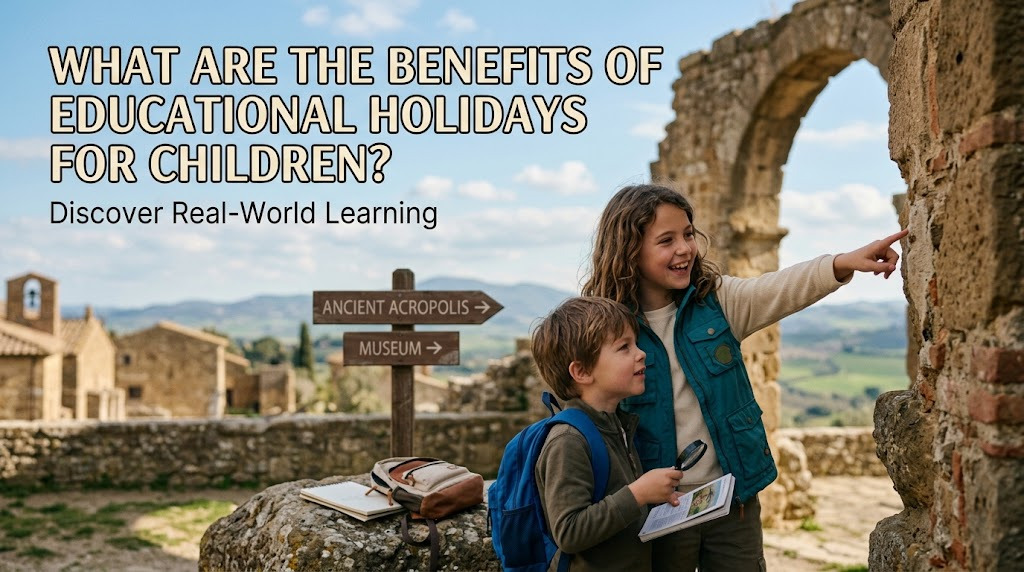
Educational holidays give children an opportunity to enjoy their free time while gaining useful knowledge through real experiences. These holidays combine recreation and learning in a way that can feel more natural than traditional classroom activities. Children can visit museums, explore nature, learn about culture, or participate in interactive activities. With proper planning, educational holidays can support several areas of a child's development.
EXPANDING CHILDREN’S KNOWLEDGE
Educational holidays can introduce children to information that they may not encounter during their regular school activities. A visit to a museum can help them learn about history, art, science, or culture, while a nature trip can introduce them to plants, animals, and ecosystems. Seeing objects and environments directly can make new information easier to understand. These experiences can also help children connect school subjects with real-life situations.
Parents can strengthen the learning experience by discussing interesting things during the trip. Children can be encouraged to ask questions and look for answers using reliable information sources. The goal is not to make the holiday feel like another school lesson. Learning through direct experiences can make knowledge more meaningful and memorable.
DEVELOPING CURIOSITY
Children naturally want to understand things they have never seen before. Educational holidays can provide new situations that encourage them to observe, ask questions, investigate, and discover. A new environment may lead children to wonder how something works or why a particular event happens. This curiosity can become an important part of their learning process.
Parents should give children enough freedom to explore while maintaining appropriate supervision. Instead of answering every question immediately, parents can encourage children to find simple answers together. This approach can help children become more active in seeking information. A strong sense of curiosity can encourage children to continue learning beyond school.
IMPROVING SOCIAL SKILLS
Educational holidays can also provide opportunities for children to develop their social abilities. When traveling with family, friends, or groups, children can practice communication, cooperation, patience, and respect for others. They may need to follow rules, wait for their turn, or work together during certain activities. These situations can teach valuable social skills in a natural environment.
Parents can support children by showing them how to communicate politely and respect people from different backgrounds. Group activities can also encourage children to listen to other people's ideas. These experiences can help them understand the importance of cooperation. Social skills developed during educational holidays can be useful at school and in everyday life.
BUILDING INDEPENDENCE AND RESPONSIBILITY
Traveling can give children simple opportunities to practice independence. Depending on their age, they can help prepare personal belongings, follow a schedule, keep their items safe, or choose between suitable activities. These responsibilities should be appropriate for their abilities and supported by parents. Small tasks can help children become more confident in handling everyday situations.
Parents should guide children without taking over every responsibility. Allowing children to try simple tasks can help them understand the consequences of their choices. Safety should always remain a priority, especially in unfamiliar places. Age-appropriate responsibility can gradually strengthen independence and confidence.
CREATING POSITIVE LEARNING MEMORIES
Educational holidays can create positive memories because children learn while enjoying new experiences. Activities such as exploring a new place, participating in hands-on activities, or discovering something interesting can make learning more enjoyable. Positive experiences may encourage children to become more interested in certain subjects. They can also give families meaningful moments to share together.
However, educational activities should not fill every moment of the holiday. Children also need time to relax, play, and enjoy themselves without learning objectives. A balanced schedule can make the trip more comfortable and enjoyable. The combination of learning, recreation, and family time can make educational holidays especially meaningful.
CONCLUSION
Educational holidays offer several benefits for children, including expanding knowledge, developing curiosity, improving social skills, building independence and responsibility, and creating positive learning memories. These benefits can be achieved through simple activities that allow children to explore and interact with their surroundings. Parents should choose destinations and activities based on the child's age, interests, and abilities. With a balanced approach, educational holidays can support children's development while remaining fun and relaxing.
Tentang Penulis
Gusti Ayu Tita P
Penulis — Universitas STEKOM
Penulis aktif yang berfokus pada isu-isu akademik, teknologi pendidikan, dan pengembangan sumber daya manusia di lingkungan kampus.