
What Are the Main Reasons People Overshare Personal Information?
Gusti Ayu Tita P
18 September 2026
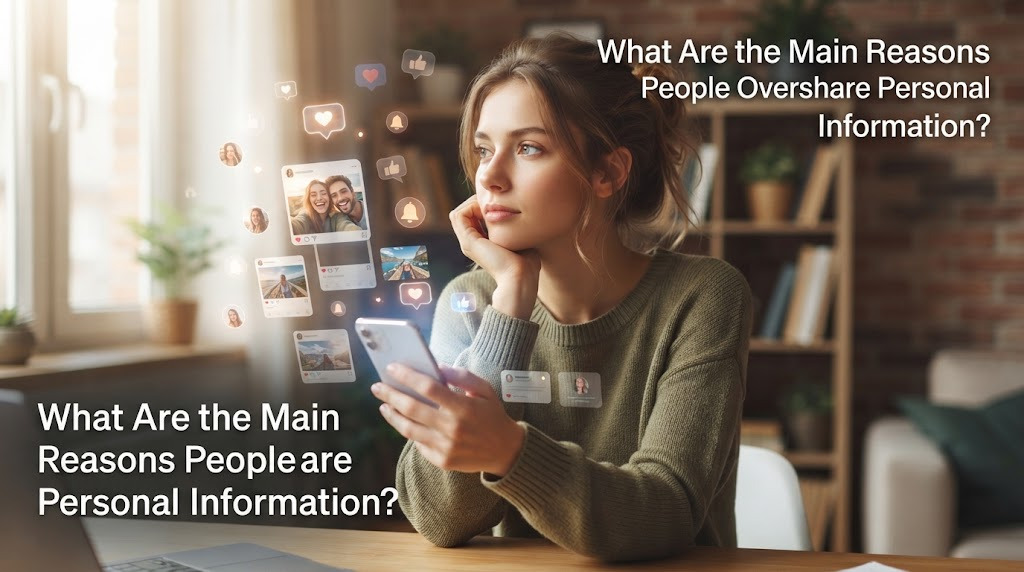
Oversharing personal information happens when someone shares more private details than necessary, appropriate, or safe for a particular situation. This behavior can occur during face-to-face conversations, group chats, or social media interactions. People do not always overshare intentionally because emotions, social situations, and personal habits can influence their decisions. Understanding the reasons behind oversharing can help people become more aware of their communication habits. It can also support better online privacy and healthier relationships.
WHY DO PEOPLE WANT ATTENTION AND VALIDATION?
One major reason people overshare is the desire for attention and validation. Receiving likes, comments, supportive messages, or positive reactions can make someone feel noticed and appreciated. When people share personal stories and receive strong responses, they may become encouraged to share even more. This pattern can be particularly noticeable on social media, where reactions are visible almost immediately.
However, seeking validation can sometimes make people reveal information that would normally remain private. A person may share relationship problems, personal achievements, or emotional experiences because they want others to understand or support them. While seeking support is normal, maintaining healthy personal boundaries is important when deciding how much information to reveal.
HOW DO EMOTIONS LEAD TO OVERSHARING?
Strong emotions can make people more likely to share information without carefully considering the consequences. Anger, sadness, excitement, stress, and disappointment can influence how people communicate. For example, someone who is upset after an argument may immediately post details about the situation online. Later, the person may regret sharing information that was difficult to take back.
Emotional oversharing can also happen during very positive experiences. Someone may become excited and share private plans, personal achievements, or details about another person. Taking a short pause before speaking or posting can provide time to think about whether the information is appropriate. This simple habit can reduce impulsive communication.
DOES THE NEED FOR SOCIAL CONNECTION CAUSE OVERSHARING?
Yes, the desire to build social connections can contribute to oversharing. People often share personal experiences because they want to feel closer to friends, classmates, coworkers, or online communities. Telling personal stories can help people find common interests and develop trust. However, sharing too much information too quickly can sometimes create uncomfortable situations.
Some people may believe that revealing private details will make others trust them more. Although openness can support relationships, trust usually develops gradually through mutual respect and appropriate boundaries. People do not need to reveal every personal detail to create meaningful connections. Choosing information carefully can help relationships develop at a comfortable pace.
HOW DOES LONELINESS INFLUENCE OVERSHARING?
Loneliness can make people more likely to seek interaction through social media or conversations. When someone has limited opportunities to talk with others, they may use online platforms as a place to express thoughts and feelings. Sharing personal experiences can provide a temporary feeling of connection or emotional relief. This does not mean that every person who shares personal information is lonely, but social needs can influence communication behavior.
Online platforms can make this process easier because they provide access to large communities. A person can quickly find people with similar experiences and receive responses from strangers or acquaintances. However, sharing sensitive information with a large audience can create privacy risks. Choosing trusted people for personal conversations can provide a safer way to seek support.
CAN HABITS AND SOCIAL MEDIA TRENDS ENCOURAGE OVERSHARING?
Social media habits can strongly influence how people communicate personal information. Many platforms encourage users to post frequent updates about their activities, opinions, photos, and experiences. Trends such as daily updates, personal stories, and short videos can make constant sharing feel normal. As a result, users may gradually become less aware of the difference between public and private information.
Another factor is the desire to participate in popular online conversations. People may share personal stories because similar content receives attention from other users. Although participating in trends can be enjoyable, users should still consider whether their information is suitable for public sharing. Understanding digital privacy can help people enjoy social media without exposing unnecessary personal details.
HOW DOES LACK OF AWARENESS CONTRIBUTE TO OVERSHARING?
Some people overshare simply because they do not recognize the potential consequences of their actions. They may believe that deleting a post will completely remove it or assume that only their intended audience can see it. In reality, digital content can sometimes be saved, copied, screenshot, or redistributed by other people. This makes awareness an important part of responsible digital communication.
A lack of awareness can also involve overlooking information contained in photos and videos. Background locations, documents, names, school signs, or other visible details may reveal more than the user intended. Learning basic online safety practices can help people identify these risks before publishing content. Being careful does not require avoiding social media; it simply means sharing information more thoughtfully.
HOW CAN PEOPLE CONTROL THE AMOUNT OF PERSONAL INFORMATION THEY SHARE?
People can control oversharing by developing a think before you share habit. Before communicating personal information, they can consider whether it is necessary, who needs to know it, and whether they would be comfortable if the information reached a wider audience. Sensitive details such as passwords, financial information, private addresses, and identification numbers should not be shared publicly. Privacy settings can also help users manage who can access their online content.
It is also helpful to choose trusted people when discussing highly personal experiences. Taking time to process strong emotions before posting can prevent impulsive decisions. Most importantly, people should understand that healthy communication includes boundaries. Sharing personal experiences can be positive, but it should be balanced with respect for privacy and personal safety.
CONCLUSION
People may overshare personal information for many reasons, including the desire for attention, validation, social connection, emotional support, and self-expression. Strong emotions, loneliness, social media habits, and limited awareness of privacy risks can also influence this behavior. Oversharing is not necessarily a sign of a serious problem, but excessive disclosure can create unwanted privacy and relationship concerns. Developing self-awareness and thinking carefully before sharing can help people establish healthier communication boundaries. By practicing responsible information sharing, people can stay connected while protecting their personal privacy.
Tentang Penulis
Gusti Ayu Tita P
Penulis — Universitas STEKOM
Penulis aktif yang berfokus pada isu-isu akademik, teknologi pendidikan, dan pengembangan sumber daya manusia di lingkungan kampus.



