What Are the Simple Steps to Stop Self Sabotage in Everyday Life?
Gusti Ayu Tita P
11 September 2026
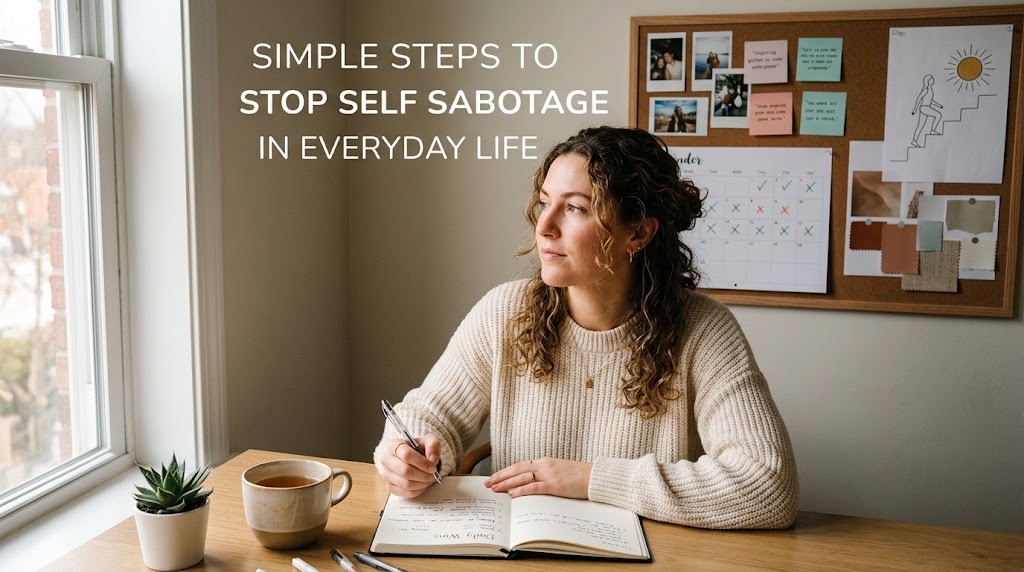
Self sabotage is a behavior that can make people work against their own goals without fully realizing it. Someone may want to become more successful, healthier, or happier, but certain thoughts and habits can prevent them from making progress. Self sabotage does not always appear as a major decision. It can happen through small everyday actions such as procrastinating, avoiding challenges, constantly doubting yourself, or giving up too early.
Learning how to stop self sabotage starts with understanding personal patterns and changing them gradually. The process does not require becoming perfect overnight. Instead, it involves developing self awareness, healthier habits, realistic goals, and a more supportive mindset. With consistent effort, people can reduce behaviors that hold them back and create better opportunities for personal growth.
RECOGNIZE YOUR SELF SABOTAGE PATTERNS
The first step to stopping self sabotage is recognizing how it appears in everyday life. Some common patterns include procrastination, negative self talk, perfectionism, avoiding responsibility, and making excuses. For example, a person may repeatedly delay an important task because they are afraid that the result will not be good enough. Although the behavior may feel comfortable temporarily, it can create stress and prevent meaningful progress.
Paying attention to repeated behavior can reveal patterns that are easy to overlook. Ask yourself what usually happens before you avoid a task or lose motivation. You may discover that certain situations trigger fear, insecurity, boredom, or excessive pressure. Understanding the trigger is important because you cannot change a pattern that you do not recognize.
SET SMALL AND REALISTIC GOALS
Large goals can sometimes feel overwhelming, especially when you are unsure where to begin. Breaking a major goal into small and achievable steps can make the process feel more manageable. Instead of expecting yourself to completely change your habits in one week, focus on one behavior that you can improve today. Small progress can gradually create stronger confidence and motivation.
Realistic goals also reduce the pressure associated with perfectionism. If a task feels too difficult, divide it into smaller actions and complete them one at a time. For example, instead of planning to finish an entire project in one sitting, start by creating an outline or completing one section. Consistent small actions are often more effective than occasional bursts of motivation.
CHALLENGE NEGATIVE THOUGHTS
Negative thoughts can strongly influence self sabotaging behavior. Statements such as “I am not good enough,” “I will probably fail,” or “There is no point in trying” can make a person avoid opportunities before they even begin. These thoughts may feel convincing, but they are not always based on facts. Learning to question them can help create a more balanced perspective.
When a negative thought appears, try asking whether there is real evidence supporting it. Replace extreme thinking with a more realistic statement, such as “I may face difficulties, but I can learn from them.” This does not mean ignoring problems or pretending everything is easy. Instead, it means responding to challenges with a mindset that allows improvement.
BUILD HEALTHIER DAILY HABITS
Everyday habits have a major influence on behavior and motivation. Poor sleep, constant distractions, disorganized schedules, excessive social media use, and avoiding important tasks can gradually contribute to self sabotage. These habits may seem harmless individually, but repeated over time, they can reduce focus and make goals harder to achieve.
Creating healthier routines can provide structure and reduce unnecessary stress. Start with simple changes such as organizing daily priorities, setting realistic deadlines, taking regular breaks, getting enough rest, and limiting distractions during important tasks. A supportive environment can make positive behavior easier to maintain. The goal is not to create a perfect routine but to develop habits that support your priorities.
PRACTICE SELF COMPASSION AND TAKE RESPONSIBILITY
Stopping self sabotage does not mean criticizing yourself whenever you make a mistake. Excessive self criticism can actually strengthen negative patterns because failure may make you feel ashamed or hopeless. Instead, practice self compassion by accepting that mistakes are part of learning. Treat yourself with the same patience and understanding that you would offer to someone trying to improve.
At the same time, self compassion should not become an excuse for avoiding responsibility. Recognize what went wrong, identify what you can control, and decide what you will do differently next time. If you miss a deadline, for example, focus on understanding why it happened and creating a better plan. Taking responsibility turns mistakes into useful lessons instead of permanent labels about yourself.
CREATE A MINDSET THAT SUPPORTS PROGRESS
The final step is to develop a mindset focused on progress rather than perfection. Change usually happens gradually, and setbacks are normal during the process. You may still procrastinate, doubt yourself, or make poor decisions sometimes. What matters is your ability to recognize the behavior and return to healthier actions instead of giving up.
Building a stronger mindset requires patience, consistency, and willingness to learn. Celebrate small improvements, remain open to feedback, and focus on what you can control today. When self sabotage becomes a repeated concern that significantly interferes with daily functioning, professional support can also be worth considering. Ultimately, overcoming self sabotage is not about becoming a completely different person but about making choices that are more consistent with the life you want.
CONCLUSION
Stopping self sabotage begins with recognizing harmful patterns and understanding what triggers them. From there, small goals, healthier habits, positive self talk, and self compassion can help create lasting change. People do not need to eliminate every mistake or negative thought to make progress.
The most important step is to keep moving forward even when progress feels slow. Small consistent improvements can gradually build confidence and reduce behaviors that interfere with personal goals. By becoming more aware of daily choices and responding to challenges in healthier ways, anyone can create a stronger foundation for personal growth and a more purposeful future.
Tentang Penulis
Gusti Ayu Tita P
Penulis — Universitas STEKOM
Penulis aktif yang berfokus pada isu-isu akademik, teknologi pendidikan, dan pengembangan sumber daya manusia di lingkungan kampus.