
What Career Opportunities Are Available in the Education Office?
Gusti Ayu Tita P
15 September 2026
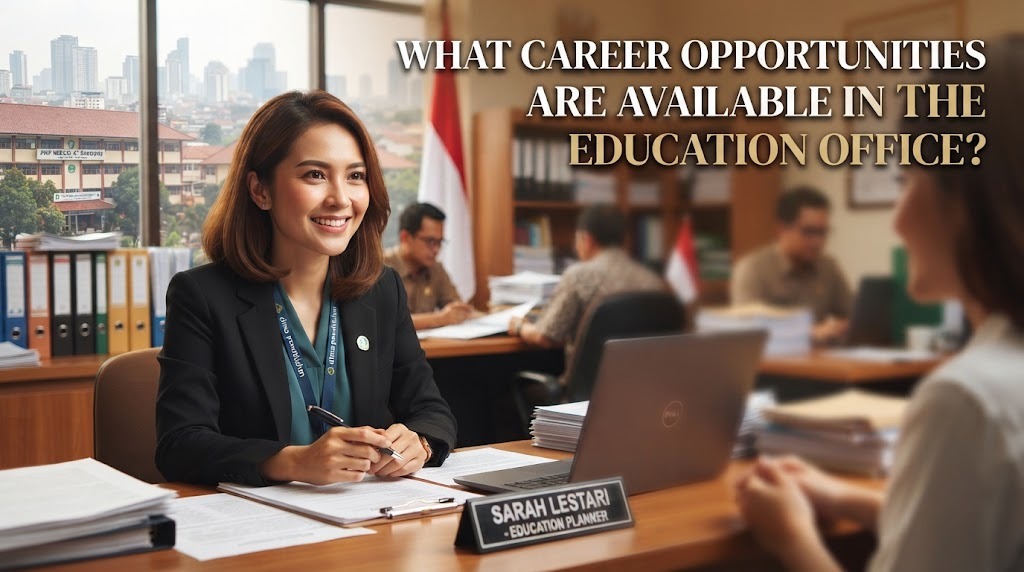
The Education Office is a government institution that supports the implementation and development of education within its administrative area. Its activities require people with different professional backgrounds and competencies. Career opportunities can be available in administration, education programs, data management, information technology, finance, and public services, depending on the organization and applicable recruitment rules. Each position has different responsibilities and qualification requirements.
Working in the Education Office can provide an opportunity to contribute to public education services. Employees may support schools, teachers, students, and communities through administrative and program-related work. Understanding the available career fields can help students and job seekers prepare relevant skills and qualifications.
EDUCATION ADMINISTRATION
Education administration is one of the important areas within government education services. Employees in this field may handle Administrative Services, documents, correspondence, schedules, reports, and other organizational tasks. Accuracy is important because administrative information can support decisions and public services. Employees also need to understand procedures and applicable regulations.
Administrative work requires good organization and communication skills. Staff may communicate with schools, teachers, government units, and members of the public. Office Administration skills such as document management, data entry, and digital filing can therefore be useful. Attention to detail is also essential when processing educational information.
EDUCATION PROGRAM MANAGEMENT
Education offices may manage or coordinate various programs related to schools, teachers, students, and educational development. Employees working in this area can assist with Program Management, planning, implementation, monitoring, and reporting. They may also coordinate with schools and other stakeholders during program activities. Good organizational skills are important to ensure that programs follow their objectives and procedures.
Program-related positions can involve both administrative and analytical responsibilities. Employees may need to collect information, prepare reports, monitor activities, and identify implementation challenges. Program Planning skills can help employees organize activities according to available resources and priorities. Effective coordination is also important because education programs often involve multiple parties.
EDUCATION DATA MANAGEMENT
Modern education depends increasingly on accurate information and digital systems. Career opportunities may exist in Education Data management, including data collection, verification, processing, reporting, and administration. Employees in this area need to work carefully because inaccurate data can affect planning and decision-making. Basic analytical skills can also help staff understand educational information.
Technology skills are becoming increasingly valuable in data-related work. Employees may use spreadsheets, databases, information systems, or other digital tools according to their responsibilities. Data Management requires accuracy, confidentiality, and responsible handling of information. Understanding basic data security is also important when working with educational records.
PUBLIC EDUCATION SERVICES
The Education Office interacts with members of the public who need information and assistance related to education. Employees can work in Public Services, helping people understand procedures, programs, requirements, or other available services. Good communication is important because visitors may have different levels of knowledge and different needs. Staff should provide information clearly, professionally, and according to their authority.
Public service work also requires patience and a responsible attitude. Employees may need to handle questions, administrative requests, and communication with schools or other institutions. Communication Skills can help staff explain information effectively and respond to public concerns. A professional attitude can also increase public confidence in government services.
DIGITAL AND TECHNICAL POSITIONS
The increasing use of technology creates a need for employees who understand digital systems. Depending on the structure of an Education Office, technical roles may involve Information Technology, digital services, system administration, technical support, or information management. These positions require relevant technical knowledge and the ability to solve problems systematically. Digital workers can help maintain reliable technology-based services.
Technical competencies should be combined with good communication and responsibility. Employees may need to explain technical issues to users who do not have a technical background. Digital Skills can also be useful for administrative employees because many government services now use digital platforms. Continuous learning is important because technology and digital systems continue to develop.
CONCLUSION
Career opportunities in the Education Office can cover education administration, program management, data management, public services, and information technology. The exact positions and requirements depend on the structure of the institution and applicable government recruitment regulations. Job seekers should develop skills that match their desired career field, such as administration, communication, data management, or technology. Relevant education, professional qualifications, experience, and compliance with recruitment requirements are also important. With appropriate preparation, a career in the Education Office can provide an opportunity to contribute to the development of public education services.
Tentang Penulis
Gusti Ayu Tita P
Penulis — Universitas STEKOM
Penulis aktif yang berfokus pada isu-isu akademik, teknologi pendidikan, dan pengembangan sumber daya manusia di lingkungan kampus.



