What Educational Activities Can Students Do During A Study Tour?
Gusti Ayu Tita P
17 September 2026
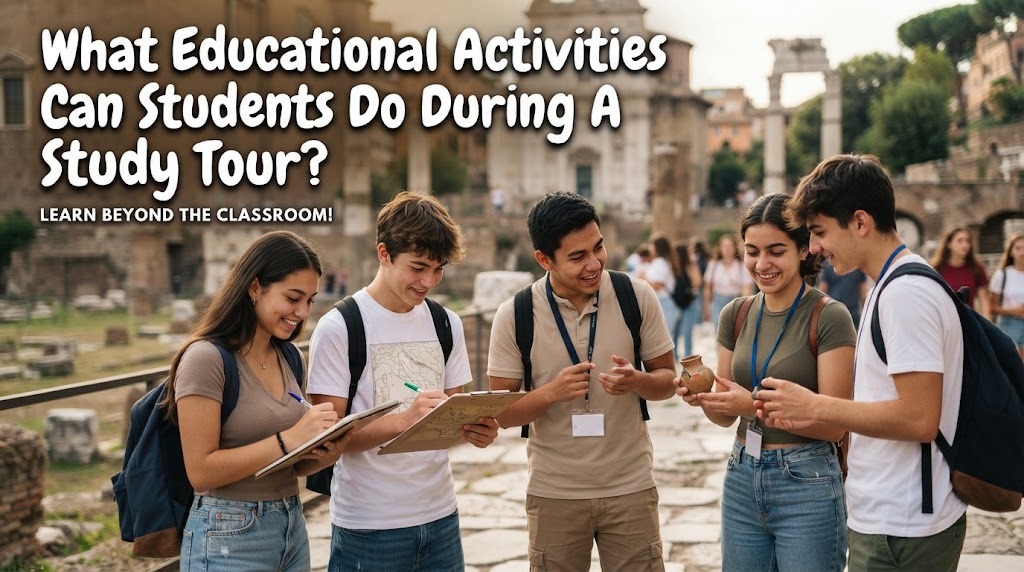
A study tour is not only an opportunity for students to travel and have fun with their friends. It can also become an effective way to gain real-world learning experiences outside the classroom. Students can learn through observation, discussion, interviews, practice, and direct interaction with new environments. With proper planning, a study tour can make lessons more interesting and easier to understand.
Educational activities during a study tour should have clear learning goals. Students can visit museums, historical sites, companies, cultural centers, universities, or educational attractions based on their subjects and interests. These activities can increase knowledge while also developing communication, teamwork, critical thinking, and independence.
DOING DIRECT OBSERVATION
One of the simplest educational activities during a study tour is direct observation. Students can observe the environment, objects, work processes, cultural activities, or other important details at the destination. They can write down useful information in a notebook so they can remember what they have learned. This activity helps students understand lessons through real examples instead of only reading textbooks.
Teachers can also provide an observation worksheet with questions related to the visit. Students can answer the questions while exploring the location and discuss their findings afterward. This method encourages students to pay attention to details and organize information carefully. It also makes the study tour part of the learning process rather than simply a recreational trip.
VISITING MUSEUMS AND HISTORICAL SITES
Museums and historical sites can provide valuable learning experiences for students. They can see historical artifacts, documents, artworks, and cultural objects directly instead of only seeing pictures in books. This experience can help students connect classroom lessons with real objects and places. They may also learn how important historical events influenced society and culture.
During the visit, students can take notes about information provided by guides or displayed at the location. If photography is allowed, they can also document important objects for educational purposes. After the trip, students can use their notes to create a study tour report or presentation. This activity can make history and culture more interesting and easier to remember.
LEARNING ABOUT WORK PROCESSES
Visiting a company can introduce students to the world of work. They may observe how products are made, how services are provided, or how employees perform their daily responsibilities. Some companies may also explain their production, marketing, technology, or management processes to visitors. This experience helps students understand how classroom knowledge can be applied in a professional environment.
Students can prepare questions about production, marketing, customer service, technology, or business management before the visit. They can then discuss the answers with their classmates after the activity. This can help them understand the skills needed in different professions. A company visit may also give students a better idea of possible career opportunities in the future.
CONDUCTING INTERVIEWS AND DISCUSSIONS
Interviews can be another useful educational activity during a study tour. Students can interview tour guides, employees, business owners, or other relevant people at the destination. Before the interview, they should prepare a list of questions related to the purpose of the visit. They can record important information by taking notes or using other methods allowed by the school and location.
After the interview, students can discuss their findings in small groups. Each group can compare the information they collected and identify the most useful points. This activity develops communication skills because students need to ask questions clearly and listen carefully. Group discussions also teach students to cooperate and respect different opinions.
EXPLORING CULTURE AND THE ENVIRONMENT
A study tour can introduce students to cultural diversity in different regions. They can learn about local food, traditional arts, crafts, languages, customs, and community activities. Direct exposure to different cultures can help students understand that communities may have different traditions and ways of life. It can also encourage students to develop respect for cultural differences.
Students can also learn about environmental issues during a study tour. For example, they may observe local ecosystems, learn about plants and animals, or discover how a location manages waste and natural resources. Teachers can connect these activities with subjects such as science, geography, or social studies. This approach allows students to gain knowledge while developing greater awareness of environmental responsibility.
CREATING PROJECTS AFTER THE STUDY TOUR
Learning does not have to end when the study tour is finished. Teachers can give students follow-up projects such as reports, presentations, posters, videos, or observation summaries. Students should use information they actually collected during the trip when completing these projects. This encourages them to review and organize the knowledge they gained.
Students can also give a group presentation about their experience. They can explain the destination, activities, important information, and lessons they learned. Presenting their findings can improve their confidence and public speaking skills. It also allows classmates to learn from different groups and experiences.
BENEFITS OF EDUCATIONAL ACTIVITIES
Educational activities during a study tour can provide benefits beyond academic knowledge. Students can practice critical thinking, communication, teamwork, observation, and problem-solving in real situations. They also have opportunities to ask questions and interact with people outside their usual school environment. These experiences can make learning more active and meaningful.
A study tour can also encourage students to become more independent and responsible. They need to follow schedules, take care of their belongings, follow rules, and respect other people during the trip. When activities are connected to school subjects, students can enjoy traveling while still achieving meaningful learning goals. Therefore, teachers should carefully choose destinations and activities that are suitable for students' ages and educational needs.
CONCLUSION
Students can do many educational activities during a study tour, including direct observation, museum visits, company visits, interviews, discussions, cultural exploration, and environmental activities. These activities allow students to connect classroom knowledge with real-world experiences. Follow-up projects can also help students remember and understand what they have learned. With good preparation, a study tour can become an enjoyable and valuable learning experience.
Tentang Penulis
Gusti Ayu Tita P
Penulis — Universitas STEKOM
Penulis aktif yang berfokus pada isu-isu akademik, teknologi pendidikan, dan pengembangan sumber daya manusia di lingkungan kampus.