
What Essential Gear Do You Need for a Hiking Trail?
Gusti Ayu Tita P
1 September 2026
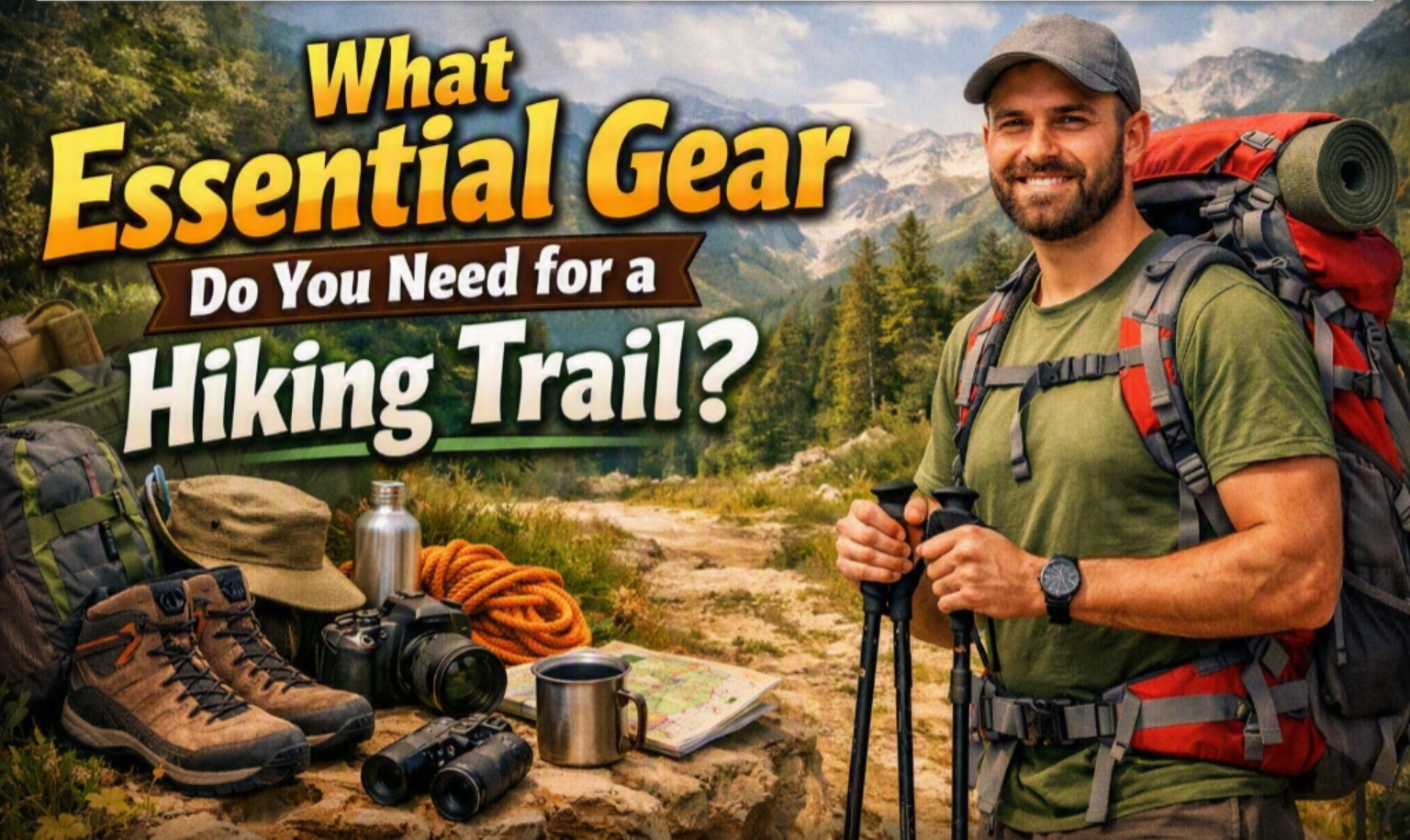
Hiking can be an enjoyable way to explore nature, improve fitness, and enjoy fresh air. However, a comfortable and safe trip depends heavily on choosing the right hiking gear. Beginners sometimes bring too much equipment, while others leave behind essential items that may be needed in difficult situations. Understanding what to pack helps hikers stay prepared without carrying an unnecessarily heavy backpack.
The required equipment can vary depending on the trail difficulty, weather, terrain, distance, and duration of the hike. A short day hike may require less gear than an overnight mountain trip. Even so, several essential items should always be considered before starting a hiking trail.
CHOOSE THE RIGHT BACKPACK
A comfortable hiking backpack is one of the most important pieces of equipment for any trail. Choose a backpack with enough capacity to carry water, food, clothing, first aid supplies, and other necessities without making the load excessive. A backpack with adjustable shoulder straps, a supportive hip belt, and good ventilation can improve comfort during long walks. Make sure the backpack fits your body properly so the weight is distributed evenly.
For a short day hike, a smaller backpack is usually sufficient, while longer trips may require a larger model. Avoid filling every available space simply because it is there, as unnecessary items can increase fatigue. Organize essential equipment so frequently used items are easy to reach. A well-fitted and properly organized backpack can make a significant difference in hiking comfort.
BRING ENOUGH WATER AND FOOD
Water is an essential hiking supply because physical activity can increase fluid loss, especially in hot or humid conditions. Carry enough water for the planned route and consider additional water if reliable refill points are unavailable. A reusable water bottle or hydration reservoir can make drinking easier while walking. On longer trails, a suitable water purification method may also be useful if collecting water from natural sources is permitted and necessary.
Food should provide enough energy and nutrients to support physical activity. Lightweight snacks such as nuts, dried fruit, energy bars, sandwiches, or other high-energy foods are practical choices. Avoid relying entirely on natural water sources or food availability along the trail. Planning your food and water requirements before departure can help prevent dehydration and exhaustion.
WEAR PROPER HIKING CLOTHING
The right clothing helps protect the body from changing weather, sunlight, wind, rain, and rough vegetation. Choose comfortable clothing that allows freedom of movement and dries reasonably quickly. Layering is useful because temperatures can change significantly between lower and higher elevations. A lightweight rain jacket can also provide valuable protection when unexpected rain arrives.
Footwear is equally important because hikers may encounter mud, rocks, roots, steep slopes, and uneven surfaces. Hiking shoes or boots should fit securely and provide suitable traction for the terrain. Avoid wearing new footwear for a demanding hike because it may cause blisters and discomfort. Comfortable moisture-managing socks can also help reduce friction and keep feet more comfortable.
PACK NAVIGATION AND COMMUNICATION TOOLS
Every hiker should have a reliable way to understand their location and follow the planned route. A trail map, compass, or offline navigation app can be useful, particularly in areas with limited mobile coverage. Do not depend entirely on a smartphone because batteries can run out or signals may disappear. Learning basic navigation skills is especially valuable when hiking in unfamiliar areas.
A fully charged mobile phone can serve as an important communication and emergency tool. Consider carrying a power bank on longer hikes, but remember that electronic devices can fail. Sharing your hiking plan with someone you trust before departure provides an additional layer of safety. Knowing the route, estimated duration, and possible exit points can help you respond more effectively if conditions change.
CARRY A BASIC FIRST AID KIT
A compact first aid kit should be part of every hiking pack, even on relatively easy trails. Minor problems such as blisters, scratches, cuts, or muscle discomfort can occur unexpectedly. Useful supplies may include adhesive bandages, sterile dressings, medical tape, antiseptic supplies, and any personal medication that you normally need. Keep the kit in a waterproof bag and place it somewhere accessible.
The contents should match the length, location, and difficulty of the hike. For remote or challenging trails, additional emergency supplies may be appropriate. Hikers should also know how to use the basic items they carry rather than simply keeping them in the backpack. A first aid kit cannot replace professional medical assistance, but it can help manage minor injuries while waiting for help.
BRING LIGHTING AND EMERGENCY EQUIPMENT
A headlamp or flashlight is valuable even when a hike is planned during daylight hours. Delays, injuries, poor weather, or navigation problems can cause hikers to remain on the trail after sunset. Headlamps are particularly practical because they leave both hands free for walking or handling equipment. Always check the batteries before leaving and consider carrying a backup power source.
Emergency equipment should be selected according to the hiking environment. A whistle, emergency blanket, lighter, and basic repair materials can be useful in unexpected situations. A whistle can help attract attention more effectively than shouting over long distances. These items are usually lightweight, but they can provide important support during an emergency.
PROTECT YOURSELF FROM WEATHER AND SUN
Weather conditions can change quickly in mountainous and exposed areas, so hikers should prepare for more than the forecast suggests. Sun protection such as sunscreen, sunglasses, and a hat can reduce exposure during sunny conditions. On rainy or windy trails, waterproof outer layers can help maintain body comfort. In colder environments, additional insulation may be necessary.
Do not underestimate the effects of wind, rain, heat, or cold during a hike. Wet clothing can contribute to discomfort and, in cold environments, increase the risk of hypothermia. Likewise, excessive heat and inadequate hydration can contribute to heat-related illness. Checking the weather before departure and adjusting your equipment accordingly is an important part of hiking preparation.
PACK SMART AND AVOID OVERLOADING
Good hiking preparation is not about bringing the largest possible amount of equipment. Instead, focus on essential gear that matches the trail conditions and personal needs. Lightweight and multifunctional items can reduce backpack weight while still providing useful functions. Before leaving, review every item and ask whether it is genuinely necessary for the planned hike.
At the same time, do not remove critical safety equipment simply to make the backpack lighter. Water, navigation tools, first aid supplies, suitable clothing, food, and emergency equipment should receive priority. A balanced backpack can reduce unnecessary strain and help you maintain energy throughout the journey. Careful preparation makes hiking more comfortable while improving overall trail safety.
CONCLUSION
Choosing the right hiking equipment is an important part of preparing for a safe and enjoyable outdoor adventure. The essential items generally include a suitable backpack, sufficient water and food, proper clothing, reliable navigation tools, first aid supplies, lighting, and emergency equipment. The exact gear should be adjusted according to the trail length, terrain, weather, and difficulty. Good preparation also means knowing how to use the equipment before starting the hike.
Rather than focusing on having the most expensive gear, prioritize function, comfort, reliability, and suitability for the trail. Check the weather, understand the route, inform someone about your plans, and avoid carrying unnecessary items. With thoughtful preparation, hikers can enjoy the trail with greater confidence and better readiness for unexpected conditions.
Tentang Penulis
Gusti Ayu Tita P
Penulis — Universitas STEKOM
Penulis aktif yang berfokus pada isu-isu akademik, teknologi pendidikan, dan pengembangan sumber daya manusia di lingkungan kampus.